
A Muscle Supplement no one would Expect

Main Points
Omega-3 polyunsaturated fats may influence muscle through several possible pathways, including neuromuscular function and possibly inflammation. However, the inflammation evidence is mixed, so that mechanism should be treated cautiously.
The current evidence does not strongly support omega-3 supplementation as a reliable way to increase muscle mass. Across the broader data, muscle mass effects appear minimal or absent, and many studies rely on indirect measures such as lean mass.
The strength findings are more convincing. Omega-3 supplementation appears to improve muscle strength more reliably than it increases muscle mass.
Dose and formulation may matter. Studies showing effects tended to use at least about 1.4 to 1.5 grams of combined EPA and DHA, and some of the stronger findings leaned toward EPA-heavy formulations.
The overall takeaway is cautious but interesting: omega-3 fats are unlikely to produce major muscle growth, but they may mildly improve strength, function, or muscle quality, especially in older individuals.
Omega-3 polyunsaturated fats are usually discussed in the context of fish oil, fatty fish, krill oil, and a few other sources, and they’re usually discussed in the context of heart and brain health.
What makes them interesting here is not simply that they may support general health, but that some research suggests they may influence muscle.

At first, that idea sounds counterintuitive. Muscle growth is usually discussed through protein intake, amino acids, and resistance training. Dietary fat is rarely, if ever, the first thing people think about when the goal is building or maintaining muscle. Yet the evidence is more interesting than it may seem at first glance.
Why Omega-3s Might Affect Muscle
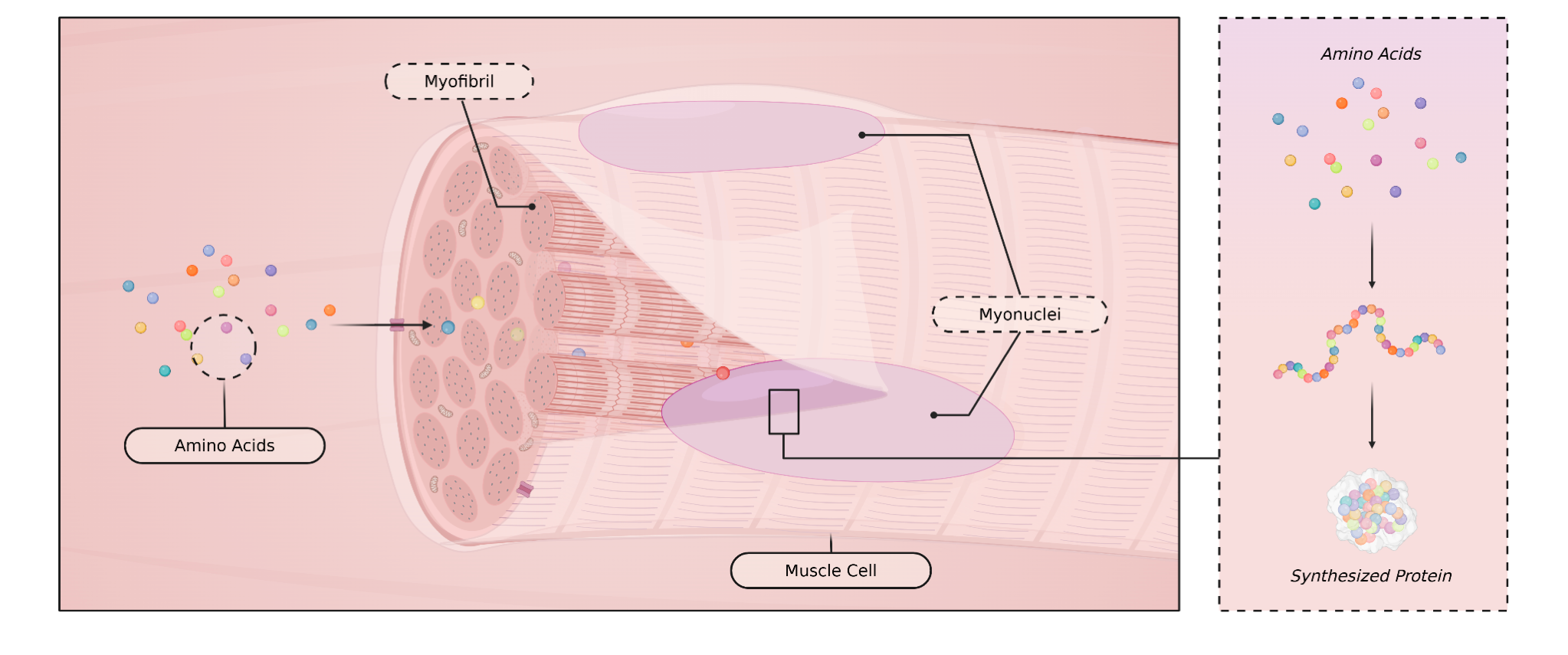
Protein has a clear relationship with muscle because amino acids from dietary protein can be incorporated into muscle cells, especially when paired with resistance training. Omega-3 fats are different. They are not building blocks for muscle tissue in the same way amino acids are.
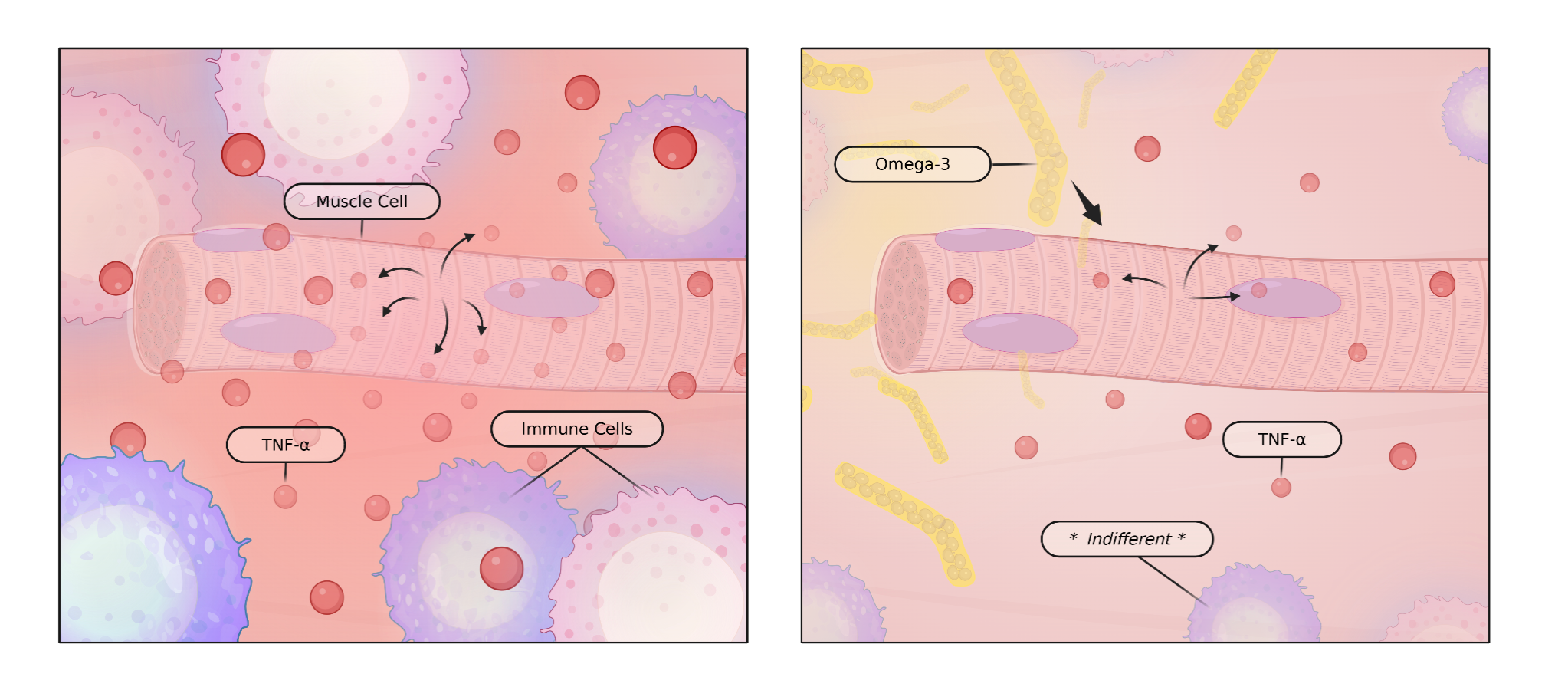
One proposed explanation is that omega-3 fats may reduce low-grade inflammation. Some studies [819,820,823] have suggested that omega-3s can lower inflammatory markers such as TNF-alpha and interleukin-6.
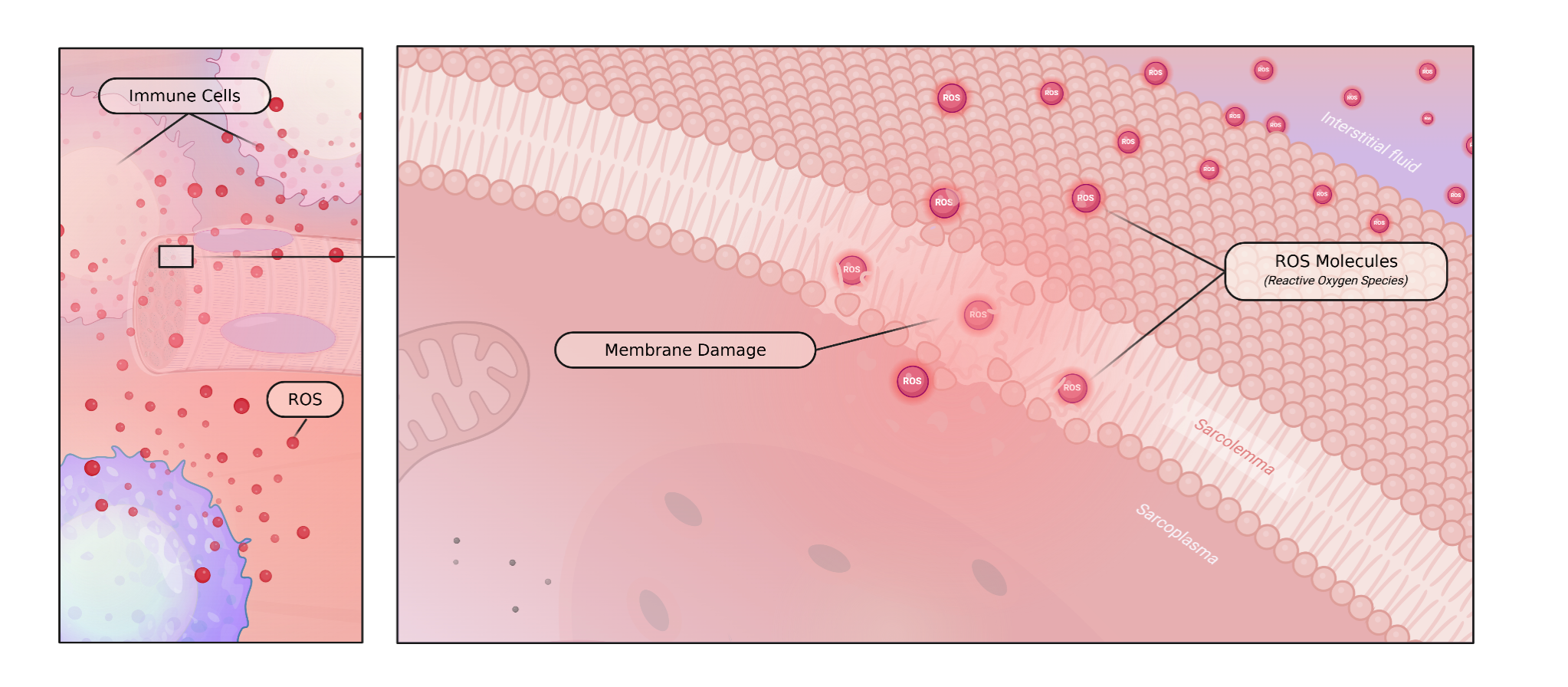
In theory, reducing inflammation could help preserve muscle because immune activation can lead to the release of damaging molecules that affect nearby cells, including muscle cells.
However, the evidence for this inflammatory mechanism is mixed and tends to lean toward no clear effect on those inflammatory measures. That makes it plausible, but far from settled.
Another proposed mechanism is improved neuromuscular function.
Muscle cells are directly controlled by neurons that extend from the spinal cord. If omega-3 fats improve the ability of those neurons to activate muscle cells, then muscle performance could improve even without a major increase in muscle size.
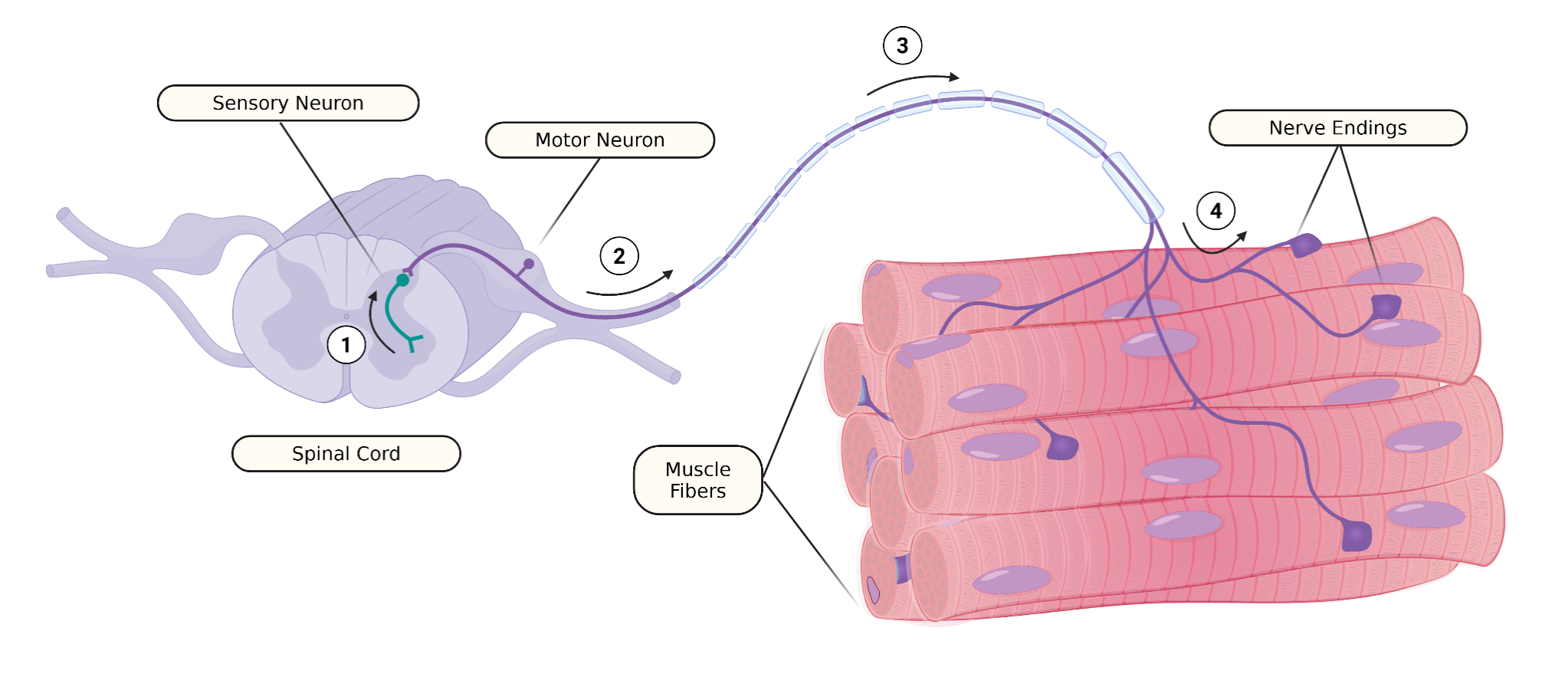
For now, the most reasonable view is that omega-3s may work through several possible pathways. Neuromuscular function appears to be one of the better-supported possibilities, though direct effects inside muscle cells should not be dismissed.
Do Omega-3s Increase Muscle Mass?
Anyone expecting omega-3 fats to create dramatic muscle growth will be disappointed.
A meta-analysis [810] of several studies found no meaningful overall increase in muscle mass from omega-3 supplementation. The overall result did not move strongly enough in the direction of increased muscle mass to suggest a reliable effect.
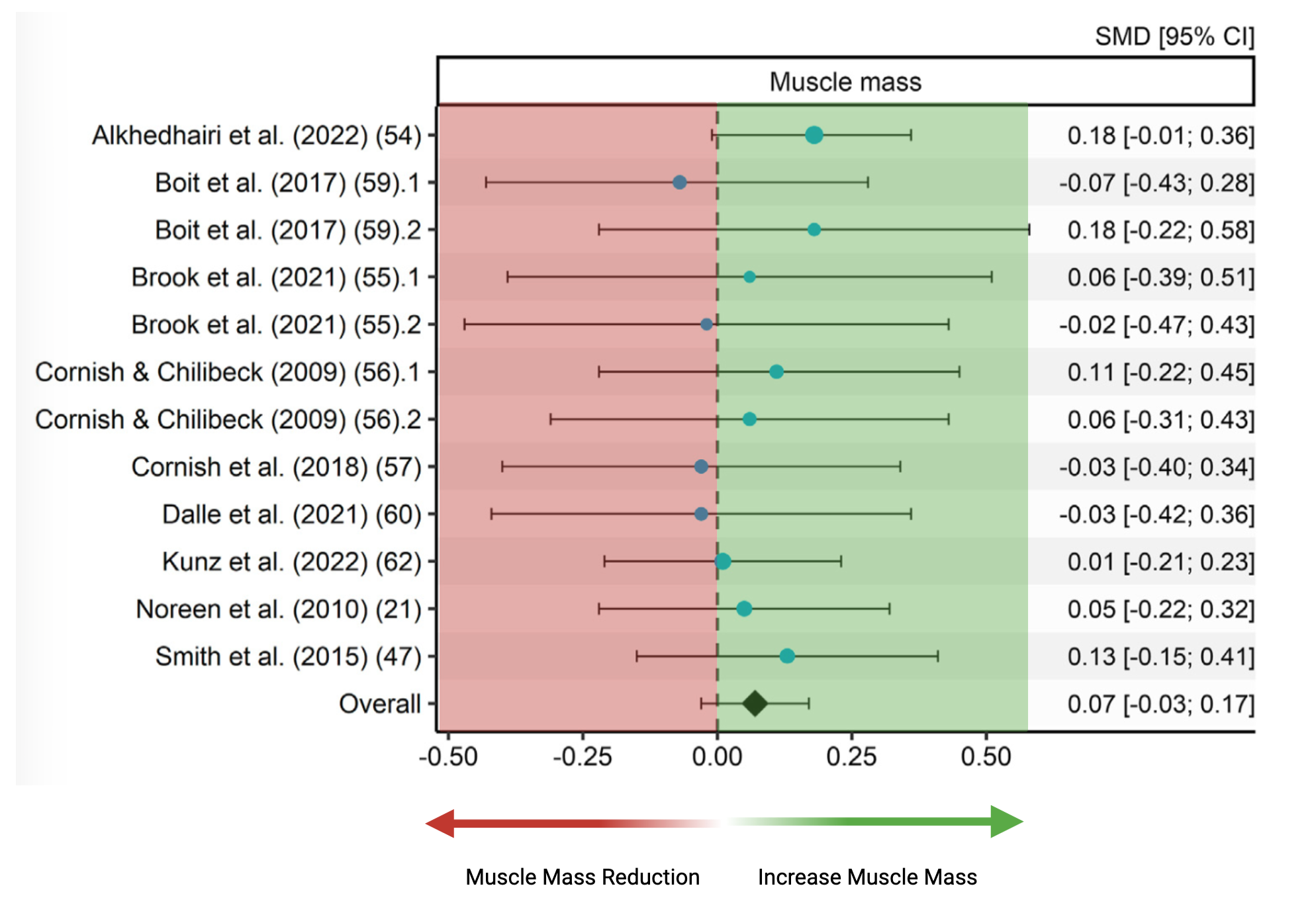
Based on that analysis, omega-3 supplementation does not appear to meaningfully increase muscle mass.
That does not mean the entire topic is uninteresting. Looking more closely at the individual studies shows a mixed picture. Some studies [812,817,818,821] suggest an effect, while others do not.
These differences likely come from several factors, including participant age, body weight status, omega-3 form, dose, and study duration.
Another limitation is that many studies measured lean mass rather than muscle mass directly. Lean mass includes muscle, but it can also include other tissues such as bone and cartilage. That makes it a less precise way to measure actual muscle growth.
Overall, the muscle mass evidence does not inspire much confidence. Omega-3 supplementation may not be a reliable muscle-building strategy if the goal is visibly increasing muscle size.
Muscle Cell Effects of Omega-3s
Does age play a role?
Diet or Supplementation? Both Effective?
Which types of Omega-3 are most effective?
All of these topics are explored in depth in the complete analysis, along with access to a private podcast, live sessions, a growing research library, and practical breakdowns—available exclusively to Physionic Insiders.
Strength Looks More Promising Than Size
When the same meta-analysis [810] looked at muscle strength rather than muscle mass, the results were more encouraging. The overall evidence suggests that omega-3 supplementation can improve muscle strength.
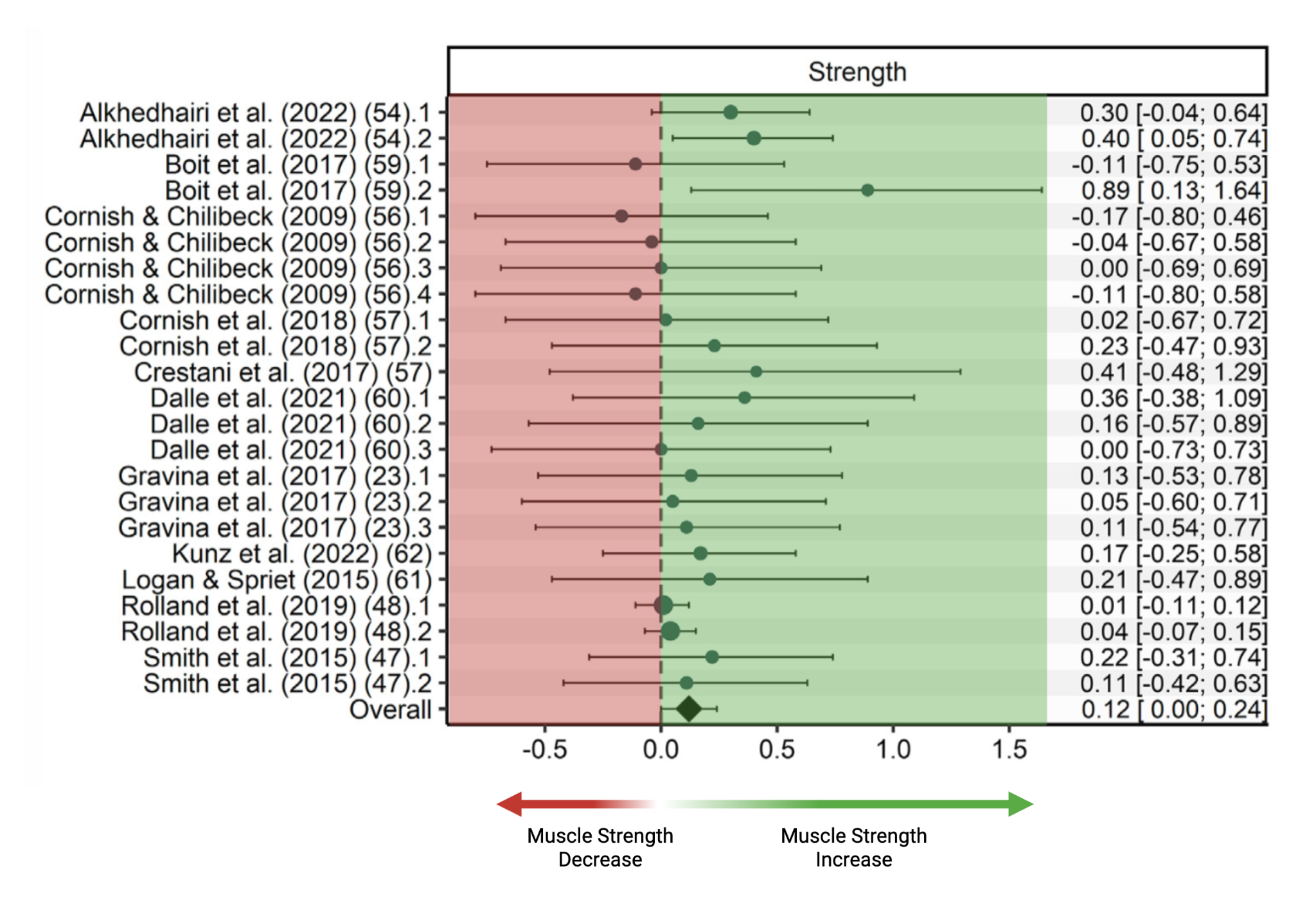
This is also supported by several individual studies [814,817,821-824], including some that did not show meaningful changes in muscle mass but did show improvements in strength. That distinction matters. Omega-3s may not reliably make muscle larger, but they may still improve how well muscle performs.
At the moment, the clearest interpretation is that omega-3 supplementation appears to have minimal average effects on muscle mass, but a more convincing effect on muscle strength.
Four Factors That Matter
Several factors affect how this evidence should be interpreted.
First, some studies were small or used ALA, a less common form of omega-3 fat in this context. It is possible that some effects were missed because the studies were too small or because they did not use a uniform form of omega-3.
Second, the studies that did show an effect tended to use a combined EPA and DHA intake of at least around 1.4 to 1.5 grams.
Third, several studies showed exercise-independent effects. In some cases, omega-3 consumption appeared to preserve or slightly improve muscle strength even without an exercise intervention. That is one of the most surprising parts of the evidence.
Fourth, the expected effects should remain modest. Omega-3 fats are unlikely to become a major muscle-building breakthrough or a solution for muscle atrophy. Whether the effect is on strength, function, or muscle quality, the benefits appear mild.
Still, it is difficult not to be at least somewhat impressed. A dietary fat having any measurable relationship with muscle performance is not something most people would expect.
Main Points
Omega-3 polyunsaturated fats may influence muscle through several possible pathways, including neuromuscular function and possibly inflammation. However, the inflammation evidence is mixed, so that mechanism should be treated cautiously.
The current evidence does not strongly support omega-3 supplementation as a reliable way to increase muscle mass. Across the broader data, muscle mass effects appear minimal or absent, and many studies rely on indirect measures such as lean mass.
The strength findings are more convincing. Omega-3 supplementation appears to improve muscle strength more reliably than it increases muscle mass.
Dose and formulation may matter. Studies showing effects tended to use at least about 1.4 to 1.5 grams of combined EPA and DHA, and some of the stronger findings leaned toward EPA-heavy formulations.
The overall takeaway is cautious but interesting: omega-3 fats are unlikely to produce major muscle growth, but they may mildly improve strength, function, or muscle quality, especially in older individuals.
Muscle Cell Effects of Omega-3s
Does age play a role?
Diet or Supplementation? Both Effective?
Which types of Omega-3 are most effective?
All of these topics are explored in depth in the complete analysis, along with access to a private podcast, live sessions, a growing research library, and practical breakdowns—available exclusively to Physionic Insiders.
Dr. Nicolas Verhoeven, PhD / Physionic
References
[Study 810] Santo André HC, Esteves GP, Barreto GHC, Longhini F, Dolan E, Benatti FB. The influence of n-3PUFA supplementation on muscle strength, mass, and function: a systematic review and meta-analysis. Adv Nutr. 2023;14(1):115-127. doi:10.1016/j.advnut.2022.11.005
Funding/Conflicts: Public Funding: From the study, the research group did not receive financial support for the present investigation, but some authors were supported by research grants from the Fundação de Amparo à Pesquisa do Estado de São Paulo/FAPESP, a public research-funding agency; Non-Profit Funding: From the study, no non-profit funding source was reported for the present investigation; Industry Funding: From the study, no industry funding source was reported, and the authors reported no conflicts of interest.
[Study 811] Huang YH, Chiu WC, Hsu YP, Lo YL, Wang YH. Effects of omega-3 fatty acids on muscle mass, muscle strength and muscle performance among the elderly: a meta-analysis. Nutrients. 2020;12(12):3739. doi:10.3390/nu12123739
Funding/Conflicts: Public Funding: From the study, funding was provided by the Ministry of Science and Technology grant MOST 104-2314-B-038-079; Non-Profit Funding: From the study, funding was also provided by Shuang Ho Hospital grant 106TMU-SHH-25 and Taipei Medical University grant TMU103-AE1-B08; Industry Funding: From the study, no industry funding source was reported, the funders had no role in the study design, methods, recruitment, data collection, analysis, or manuscript preparation, and the authors declared no conflict of interest.
[Study 812] Noreen EE, Sass MJ, Crowe ML, Pabon VA, Brandauer J, Averill LK. Effects of supplemental fish oil on resting metabolic rate, body composition, and salivary cortisol in healthy adults. J Int Soc Sports Nutr. 2010;7:31. doi:10.1186/1550-2783-7-31
Funding/Conflicts: Public Funding: From the study, no public funding source was reported; Non-Profit Funding: From the study, funding was provided by a Gettysburg College Research and Professional Development Grant; Industry Funding: From the study, the fish oil and safflower oil capsules were donated by Genuine Health Corporation, Toronto, Ontario, Canada, and the authors declared no competing interests.
[Study 813] Gravina L, Brown FF, Alexander L, et al. n-3 Fatty Acid Supplementation During 4 Weeks of Training Leads to Improved Anaerobic Endurance Capacity, but not Maximal Strength, Speed, or Power in Soccer Players. Int J Sport Nutr Exerc Metab. 2017;27(4):305-313. doi:10.1123/ijsnem.2016-0325
Funding/Conflicts: Public Funding: From the study, no public funding source was reported; Non-Profit Funding: From the study, no non-profit funding source was reported; Industry Funding: From the study, Glasgow Health Solutions Ltd funded the study and supplied all n-3 fatty acid and placebo supplements, and no separate conflict-of-interest statement was found in the accessible full-text article.
[Study 814] Smith GI, Julliand S, Reeds DN, Sinacore DR, Klein S, Mittendorfer B. Fish oil-derived n-3 PUFA therapy increases muscle mass and function in healthy older adults. Am J Clin Nutr. 2015;102(1):115-122. doi:10.3945/ajcn.114.105833
Funding/Conflicts: Public Funding: From the study, the work was supported by NIH grants DK 56341, DK 20579, and UL1 TR000448, including KL2 subaward TR 000450; Non-Profit Funding: From the study, no non-profit funding source was reported; Industry Funding: From the study, GlaxoSmithKline plc provided a gift of study drugs, and the authors reported no conflict of interest related to the study.
[Study 815] Rolland Y, Barreto PS, Maltais M, et al. Effect of Long-Term Omega 3 Polyunsaturated Fatty Acid Supplementation with or without Multidomain Lifestyle Intervention on Muscle Strength in Older Adults: Secondary Analysis of the Multidomain Alzheimer Preventive Trial (MAPT). Nutrients. 2019;11(8):1931. doi:10.3390/nu11081931
Funding/Conflicts: Public Funding: From the study, the work was supported by the French Ministry of Health and Gerontopole; Non-Profit Funding: From the study, no separate non-profit funding source was reported; Industry Funding: From the study, funding was also provided by Pierre Fabre Research Institute, Exhonit Therapeutics, and Avid Radiopharmaceuticals, and the authors declared no conflict of interest.
[Study 816] Hutchins-Wiese HL, Kleppinger A, Annis K, et al. The impact of supplemental n-3 long chain polyunsaturated fatty acids and dietary antioxidants on physical performance in postmenopausal women. J Nutr Health Aging. 2013;17(1):76-80. doi:10.1007/s12603-012-0415-3
Funding/Conflicts: Public Funding: From the study, the work was supported by the General Clinical Research Center grant MO1-RR06192; Non-Profit Funding: From the study, the work was supported by the Patrick and Catherine Donaghue Research Foundation; Industry Funding: From the study, Enrico Liva had a financial stake in Vital Nutrients and provided the fish oil supplement free of charge, and the study stated that all affiliations or financial involvement with organizations with a financial interest were disclosed.
[Study 817] Alkhedhairi SA, Aba Alkhayl FF, Ismail AD, et al. The effect of krill oil supplementation on skeletal muscle function and size in older adults: A randomised controlled trial. Clin Nutr. 2022;41(6):1228-1235. doi:10.1016/j.clnu.2022.04.007
Funding/Conflicts: Public Funding: From the study, SA was funded by a studentship from the Government of Saudi Arabia; Non-Profit Funding: From the study, no non-profit funding source was reported; Industry Funding: From the study, no industry funding source was reported in the funding statement, and the authors declared no conflicts of interest.
[Study 818] Brook MS, Din U, Tarum J, et al. Omega-3 supplementation during unilateral resistance exercise training in older women: A within subject and double-blind placebo-controlled trial. Clin Nutr ESPEN. 2021;46:394-404. doi:10.1016/j.clnesp.2021.09.729
Funding/Conflicts: Public Funding: From the study, the work was supported by the Medical Research Council grants MR/R502364/1 and MR/P021220/1 as part of the MRC-Versus Arthritis Centre for Musculoskeletal Ageing Research, and by the National Institute for Health Research Nottingham Biomedical Research Centre; Non-Profit Funding: From the study, the work was supported by The Dunhill Medical Trust grant R364/1112; Industry Funding: From the study, Minami Nutrition donated the supplement, and no separate conflict-of-interest statement was found in the accessible article text.
[Study 819] Cornish SM, Chilibeck PD. Alpha-linolenic acid supplementation and resistance training in older adults. Appl Physiol Nutr Metab. 2009;34(1):49-59. doi:10.1139/H08-136
Funding/Conflicts: Public Funding: From the study, the resistance training equipment was provided by the Saskatchewan Health Research Foundation; Non-Profit Funding: From the study, Stephen Cornish was funded by a scholarship from the Saskatchewan Flax Development Commission; Industry Funding: From the study, the study was partially funded by a student research grant from the Gatorade Sport Science Institute, the flaxseed oil was donated by WN Pharmaceuticals, Coquitlam, B.C., and no conflict-of-interest statement was found in the uploaded article text.
[Study 820] Cornish SM, Myrie SB, Bugera EM, Chase JE, Turczyn D, Pinder M. Omega-3 supplementation with resistance training does not improve body composition or lower biomarkers of inflammation more so than resistance training alone in older men. Nutr Res. 2018;60:87-95. doi:10.1016/j.nutres.2018.09.005
Funding/Conflicts: Public Funding: From the study, no public funding source was reported; Non-Profit Funding: From the study, the study was funded by the Manitoba Medical Service Foundation and the Winnipeg Foundation, and the funding source had no role in study design, data collection, data analysis, interpretation, manuscript writing, or the decision to submit for publication; Industry Funding: From the study, no industry funding source was reported, and the authors declared no conflicts of interest.
[Study 821] Crestani DM, Bonin EFR, Barbieri RA, Zagatto AM, Higino WP, Milioni F. Chronic supplementation of omega-3 can improve body composition and maximal strength, but does not change the resistance to neuromuscular fatigue. Sport Sci Health. 2017;13(2):259-265. doi:10.1007/s11332-016-0322-9
Funding/Conflicts: Public Funding: From the study, no public funding source was reported; Non-Profit Funding: From the study, no non-profit funding source was reported; Industry Funding: From the study, no industry funding source was reported, the omega-3 and placebo supplements were described as Florien products but the study did not state they were donated or industry-funded, and the authors declared that they had no conflict of interest.
[Study 822] Da Boit M, Sibson R, Sivasubramaniam S, et al. Sex differences in the effect of fish-oil supplementation on the adaptive response to resistance exercise training in older people: a randomized controlled trial. Am J Clin Nutr. 2017;105(1):151-158. doi:10.3945/ajcn.116.140780
Funding/Conflicts: Public Funding: From the study, the work was supported by the Biotechnology and Biological Sciences Research Council, and PubMed also indexes Medical Research Council grants MR/K00414X/1 and MR/P021220/1 for this article; Non-Profit Funding: From the study, no non-profit funding source was reported; Industry Funding: From the study, the fish-oil and placebo capsules were Barleans products, but no industry funding or donation was reported, and none of the authors reported a conflict of interest related to the study.
[Study 823] Dalle S, Van Roie E, Hiroux C, et al. Omega-3 Supplementation Improves Isometric Strength But Not Muscle Anabolic and Catabolic Signaling in Response to Resistance Exercise in Healthy Older Adults. J Gerontol A Biol Sci Med Sci. 2021;76(3):406-414. doi:10.1093/gerona/glaa309
Funding/Conflicts: Public Funding: From the study, no public funding source was reported; Non-Profit Funding: From the study, no non-profit funding source was reported; Industry Funding: From the study, no industry funding source was reported, the omega-3 and placebo softgels were described as Vista-Life Pharma products but the study did not state they were donated or industry-funded, and the authors declared no conflict of interest.
[Study 824] Logan SL, Spriet LL. Omega-3 fatty acid supplementation for 12 weeks increases resting and exercise metabolic rate in healthy community-dwelling older females. PLoS One. 2015;10(12):e0144828. doi:10.1371/journal.pone.0144828
Funding/Conflicts: Public Funding: From the study, the work was supported by a Natural Sciences and Engineering Research Council of Canada Discovery grant to LLS; Non-Profit Funding: From the study, no non-profit funding source was reported; Industry Funding: From the study, no industry funding source was reported, and the authors declared that no competing interests exist.
[Study 825] Kunz HE, Michie KL, Gries KJ, Zhang X, Ryan ZC, Lanza IR. A randomized trial of the effects of dietary n3-PUFAs on skeletal muscle function and acute exercise response in healthy older adults. Nutrients. 2022;14(17):3537. doi:10.3390/nu14173537
Funding/Conflicts: Public Funding: From the study, Hawley E. Kunz was supported by the National Institute of Arthritis and Musculoskeletal and Skin Diseases Musculoskeletal Research Training Program, Kelly L. Michie and Kevin J. Gries were supported by the National Institute of Diabetes and Digestive and Kidney Diseases Diabetes and Metabolism Training Program, and the project was funded by NIH-related grants DK116231, UL1 TR002377 from NCATS, and R01 AG054454 from the National Institute on Aging; Non-Profit Funding: From the study, no non-profit funding source was reported; Industry Funding: From the study, no industry funding source was reported, and the authors declared no conflict of interest with the contents of the article.