
Anti-Aging through eating Garlic: New Molecule Discovered

Main Points
S1PC is a molecule found in aged garlic extract. Early research suggests it may influence NAD+, a molecule involved in many cellular reactions, including DNA repair. In preclinical research, S1PC increased NAD+ in the hypothalamus and improved muscle performance in aging animals.
The proposed pathway links fat tissue, the brain, and muscle. S1PC affects fat cells, fat cells release eNAMPT, eNAMPT supports hypothalamic NAD+, and the hypothalamus may then communicate more effectively with neurons that control muscle contraction.
Human evidence is much more limited. S1PC has been shown to raise blood eNAMPT in humans, but it has not been shown to raise brain NAD+ or directly improve muscle outcomes in people.There are a few small studies indicating aged garlic extract may provide a muscle performance benefit, but these studies are limited in scope and cannot tease out S1PC directly.
The evidence is promising, but not yet convincing. There are no available S1PC supplements, no functional outcome studies using isolated S1PC in humans, and no safety data for the very large aged garlic extract amounts that would be needed to match the studied S1PC dose. For now, aged garlic-derived S1PC is better viewed as an exciting early research lead, not a proven anti-aging strategy.
When people think about the health-related compounds in garlic, allicin is usually the first molecule that comes to mind, but newer research [808] is pointing toward another compound found in aged garlic extract: S-1-propenyl-L-cysteine, better known as S1PC.
S1PC is a modified form of the amino acid cysteine.

What makes it interesting is not simply that it comes from garlic, but that early research suggests it may affect a pathway closely tied to aging biology: NAD+.
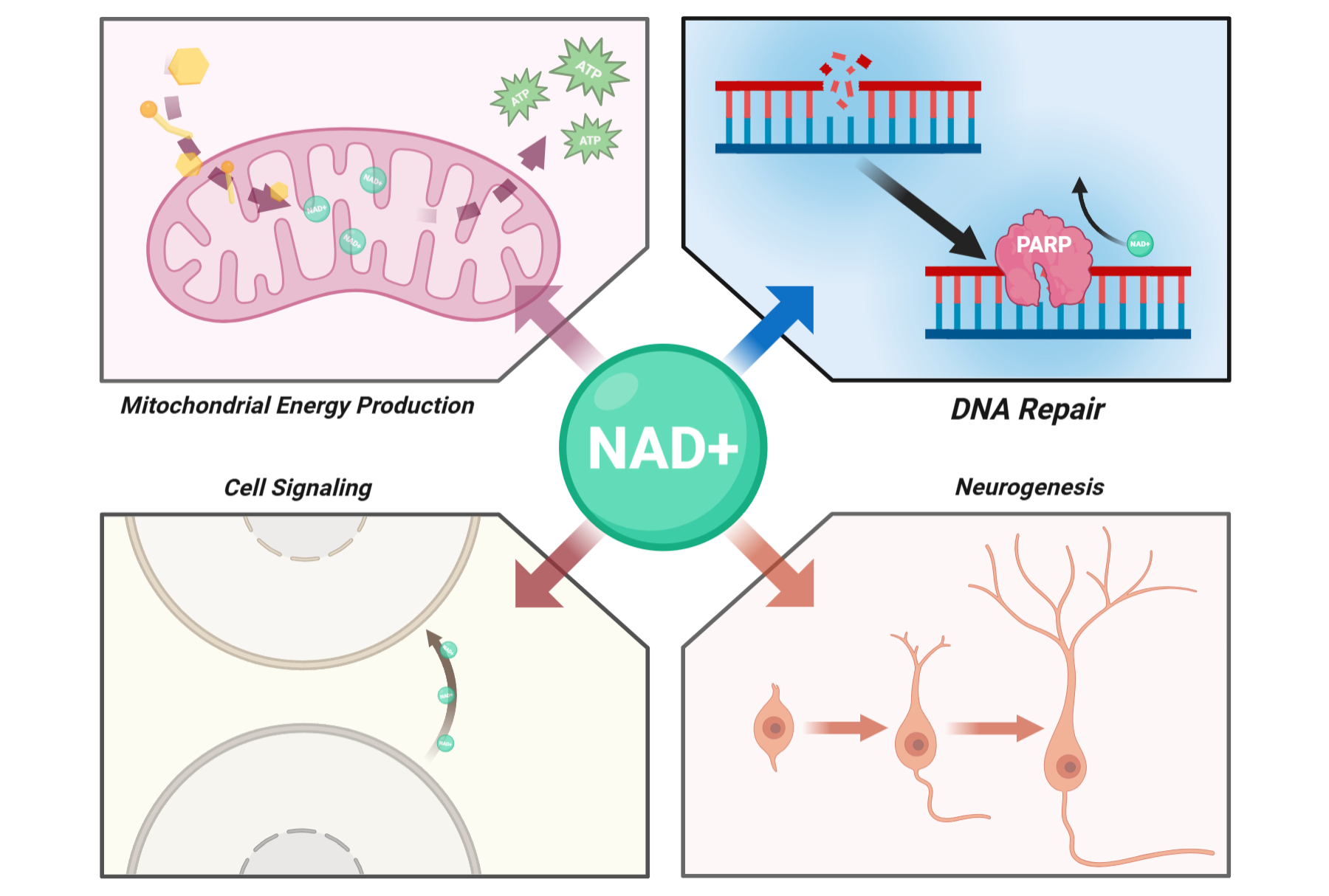
NAD+ is involved in hundreds of cellular reactions. One of its important roles is helping support DNA repair, which helps maintain the integrity of the cell’s genetic blueprint. NAD+ levels tend to decline with age in many tissues, and that decline can interfere with normal cellular function.
S1PC, NAD+, and the Aging Brain
In preclinical research, S1PC increased NAD+ levels in animals.
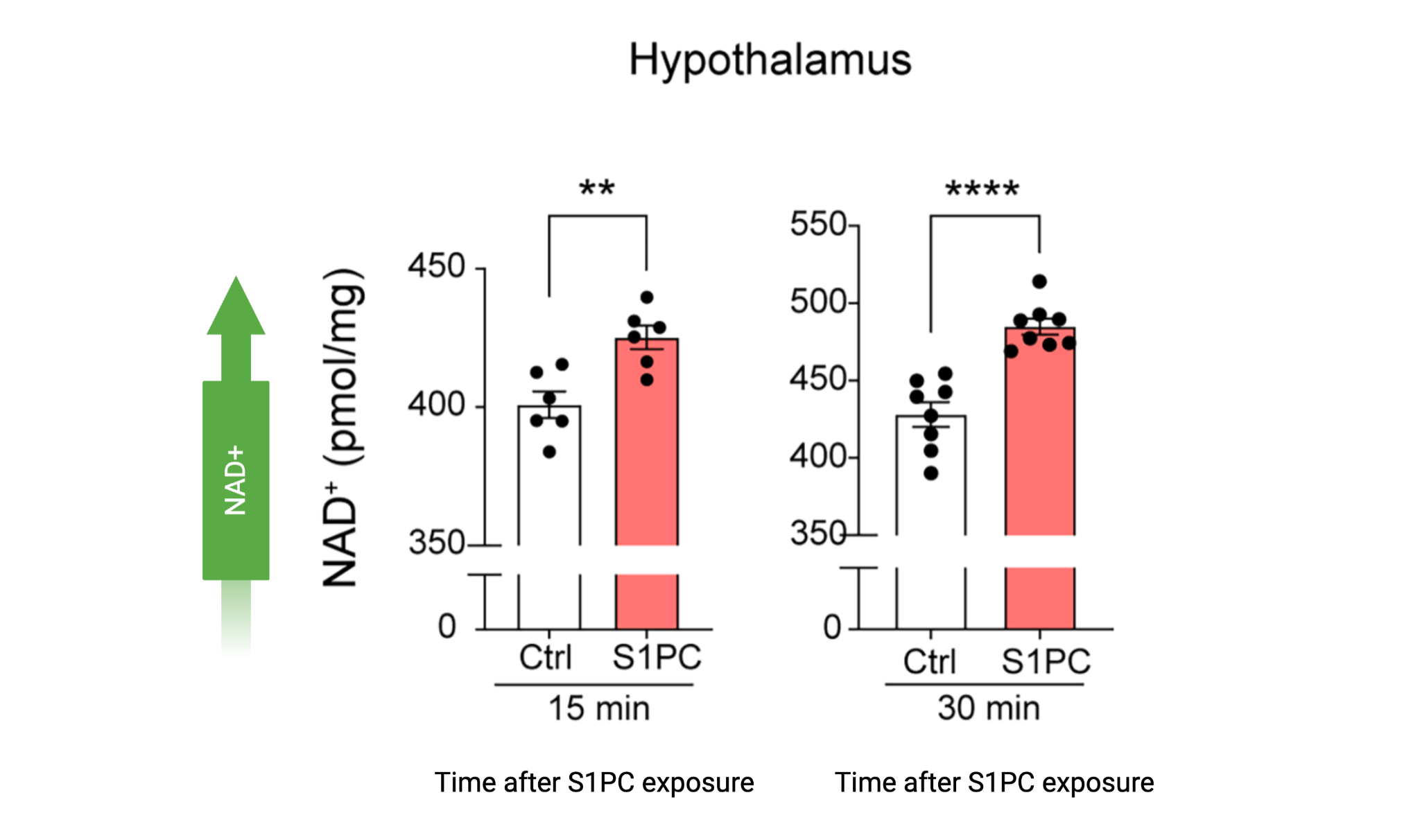
One of the key places this happened was the hypothalamus, a region of the brain involved in regulating several body functions, including food intake, body temperature, stress responses, and other forms of whole-body control.
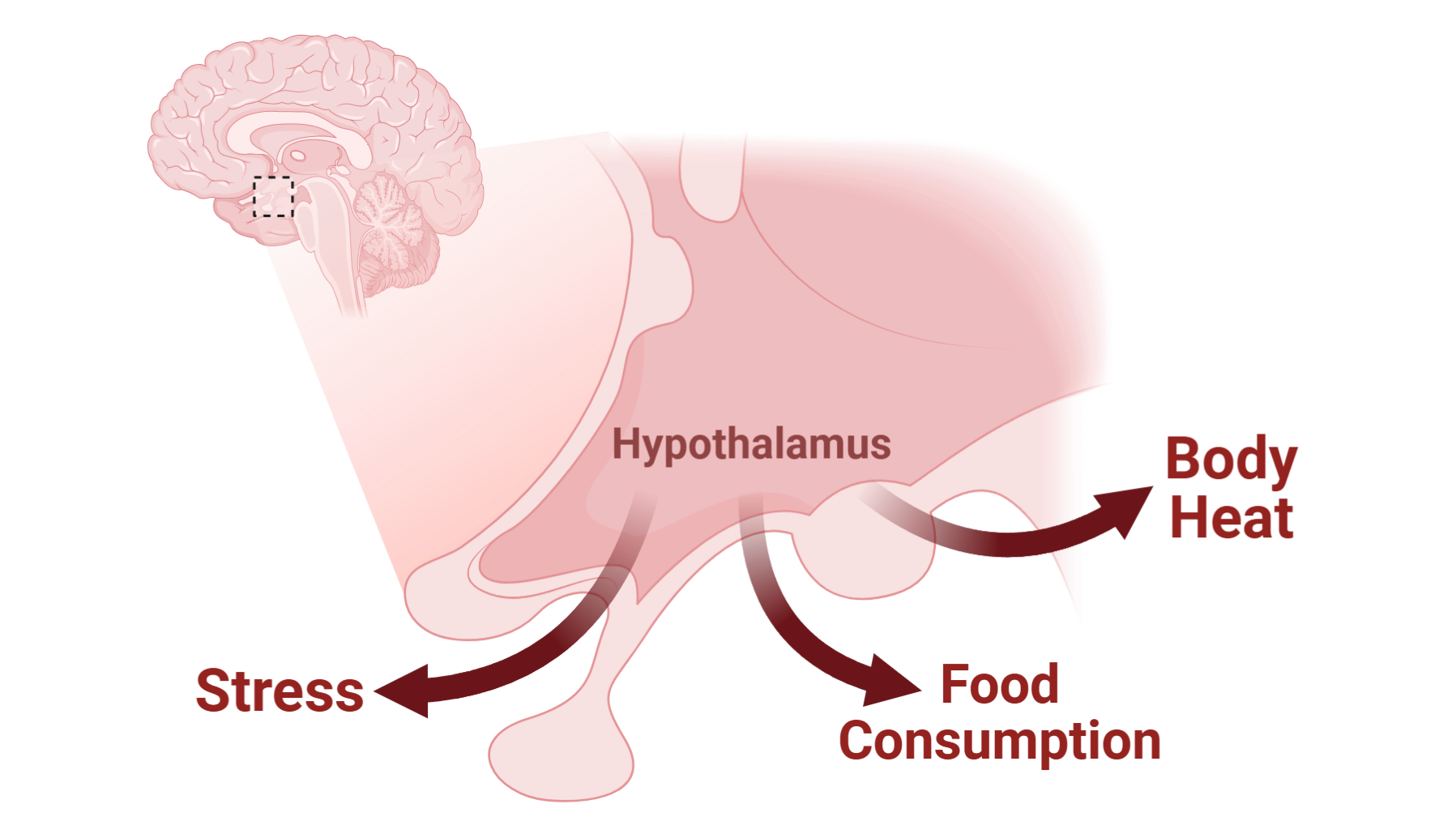
That location matters because the hypothalamus does not only regulate internal balance. It also appears to influence muscle function through neural signaling.
The same research also found improvements in muscle performance in aging animals. Muscle force was measured at increasing rates of stimulation, and the S1PC condition showed better force generation. In simple terms, the muscles performed better when exposed to S1PC.
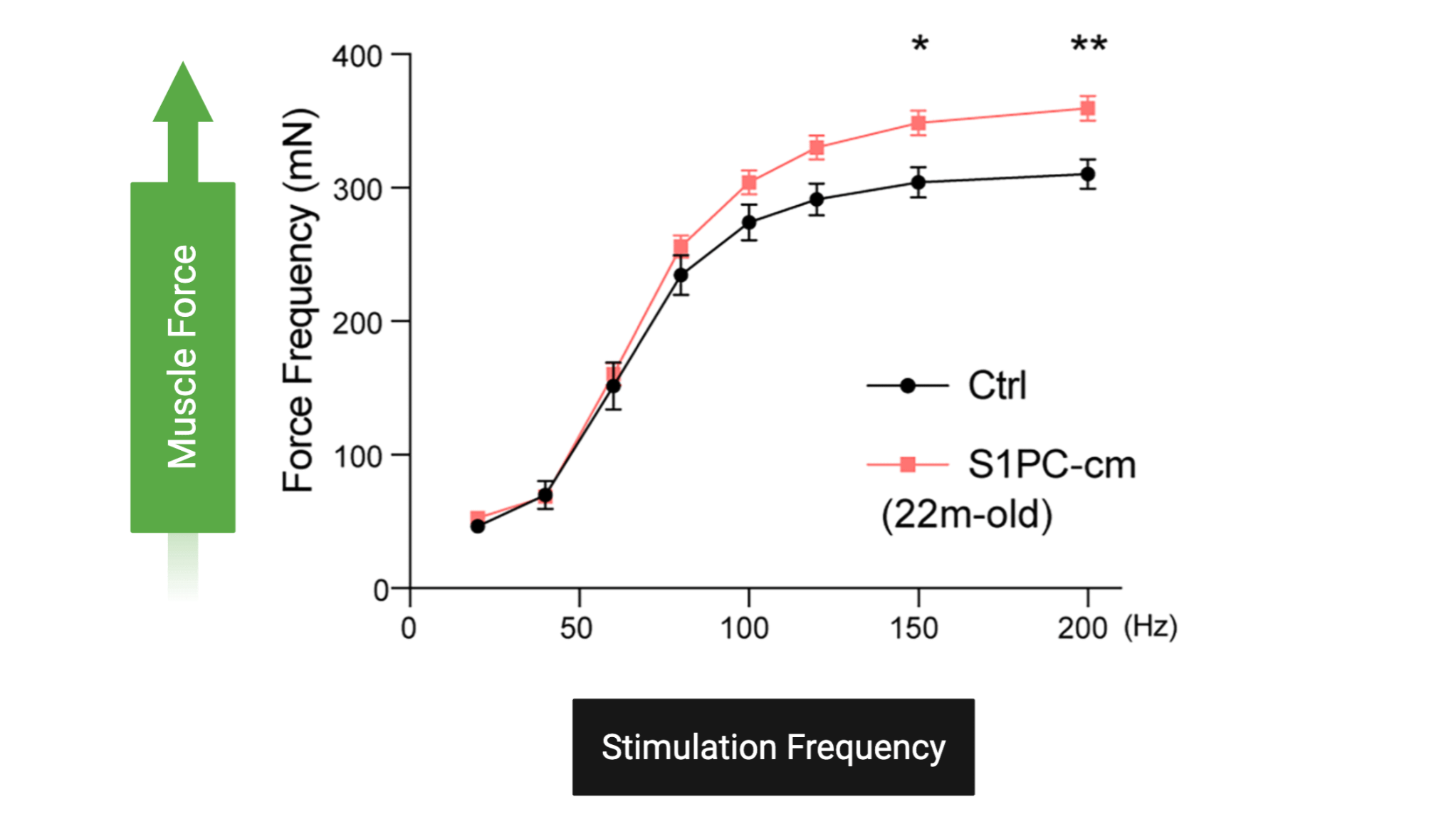
At this stage, the exact connection between these effects remains unclear. However, based on preclinical data, the garlic-derived bioactive molecule S1PC appears to increase NAD+ levels in the brain and improve muscle performance during aging.
The Blood Enzyme Connecting Fat, Brain, and Muscle
The connection begins in the blood. When exposed to S1PC, the blood became richer in an enzyme called eNAMPT. This enzyme is involved in NAD+ synthesis, meaning it helps support the production of NAD+.
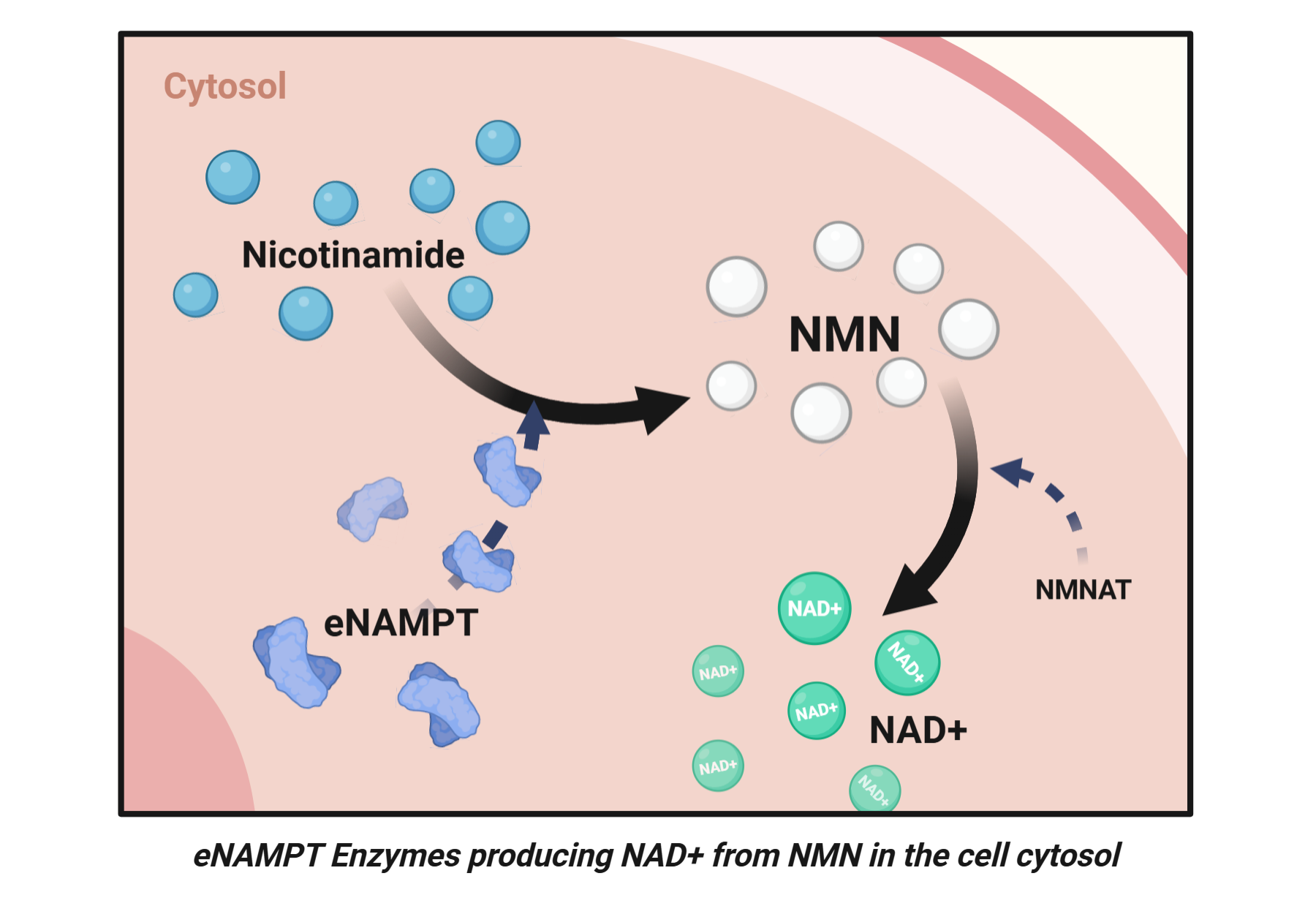
That suggests S1PC may increase NAD+ partly by increasing the amount of NAD+-producing enzyme circulating in the blood.
How does S1PC affect our cells?
Aged Garlic Extract on Muscle Power Performance
Aged Garlic Extract on Exercise Recovery
All of these topics are explored in depth in the complete analysis, along with access to a private podcast, live sessions, a growing research library, and practical breakdowns—available exclusively to Physionic Insiders- join here.
The Fat-Brain-Muscle Triangle
The overall pathway appears to start in fat tissue. S1PC affects fat cells, fat cells release eNAMPT-containing vesicles into the blood, and those vesicles appear to support NAD+ levels in the hypothalamus.
That explains one side of the connection: fat tissue communicating with the brain. But it does not yet explain how muscle performance improves.
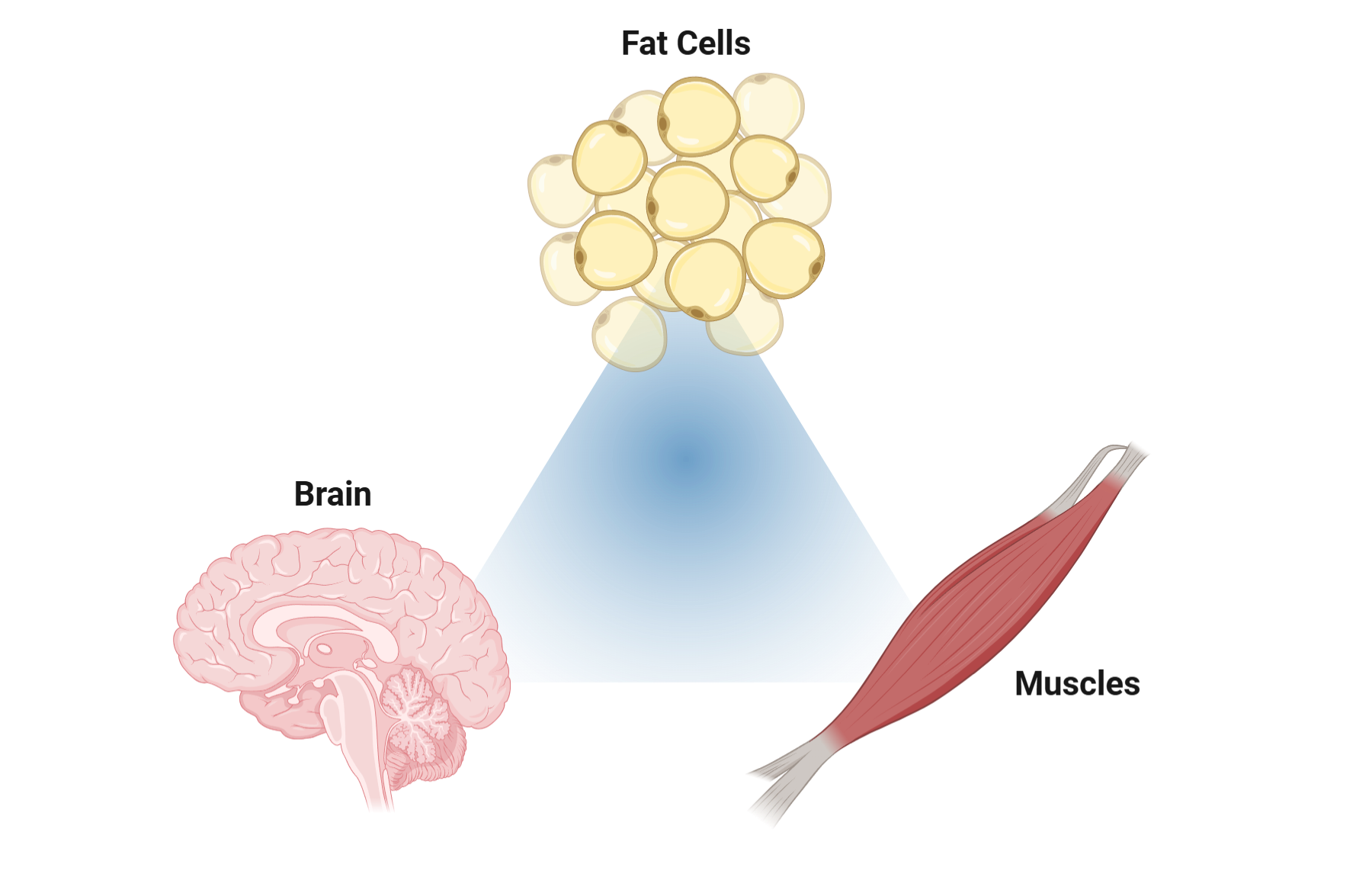
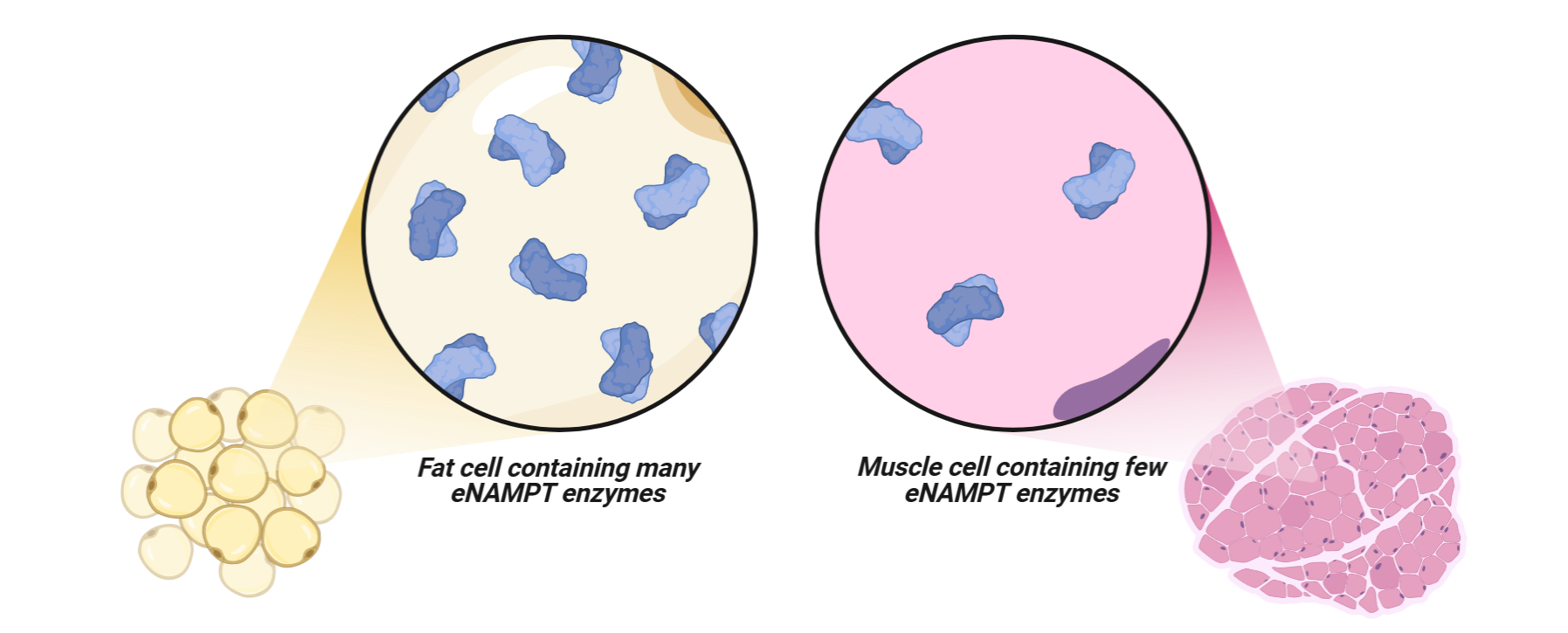
Several experiments suggest that the muscle benefit is not coming from a direct increase in eNAMPT inside the muscle. Instead, the improvement appears to depend on communication between fat cells and the hypothalamus.
As NAD+ is restored in the aging hypothalamus, the brain may become better able to communicate with the neurons that regulate muscle contraction.
Muscle cells contract when they receive signals from neurons extending from the spinal cord. Those neurons can be influenced by the hypothalamus.
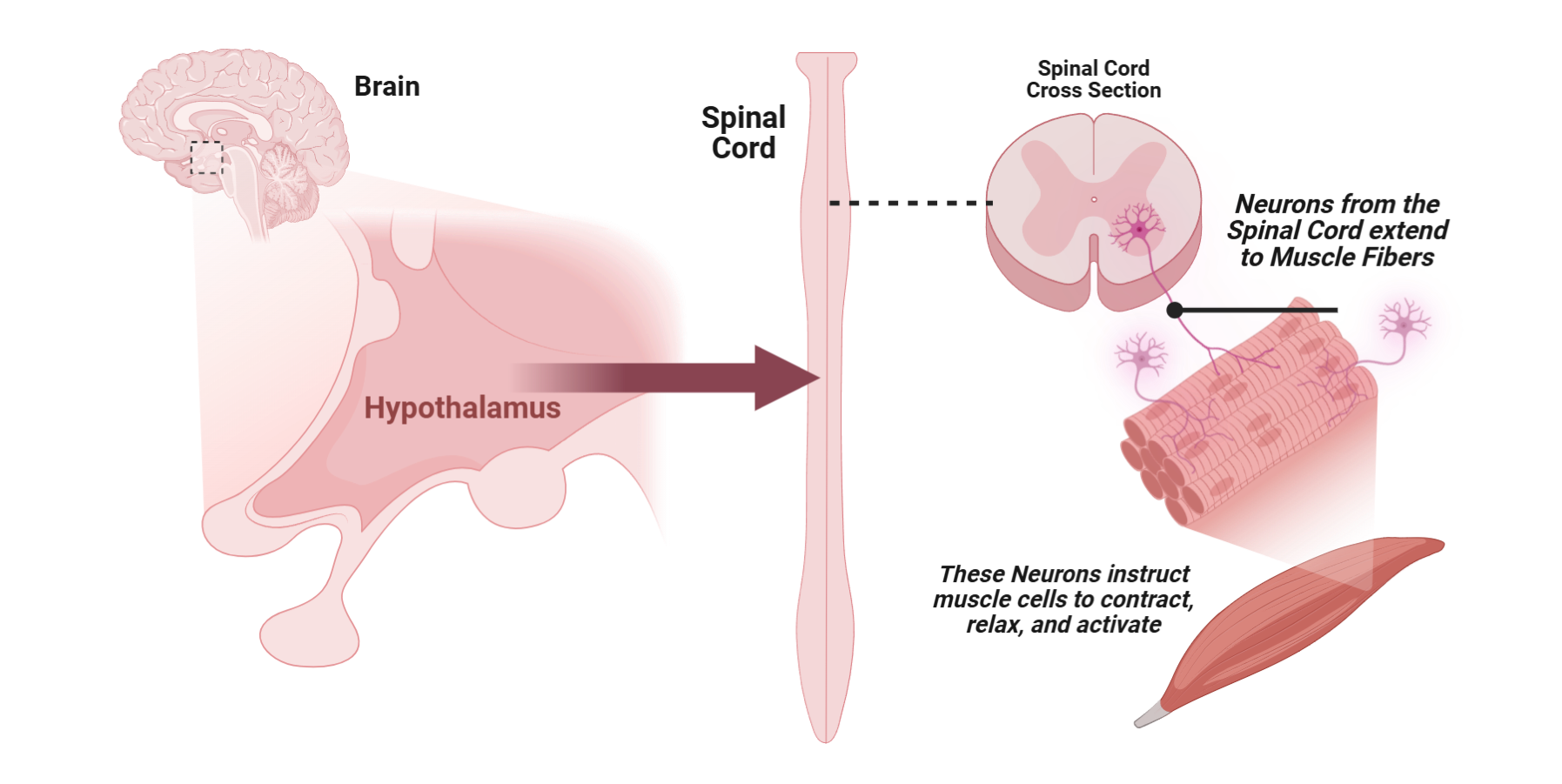
A simple way to understand the pathway is this: S1PC encourages fat cells to release eNAMPT in vesicles, those vesicles support NAD+ in the hypothalamus, and the hypothalamus then communicates more effectively with muscle-controlling neurons. Stronger communication may help muscles contract more effectively.
What Do We Know in Humans?
The animal data are interesting, but the human evidence is much more limited.
The same study showed that S1PC exposure increased blood eNAMPT levels in humans. The S1PC group showed a rise compared with baseline, while the placebo group did not show the same increase.
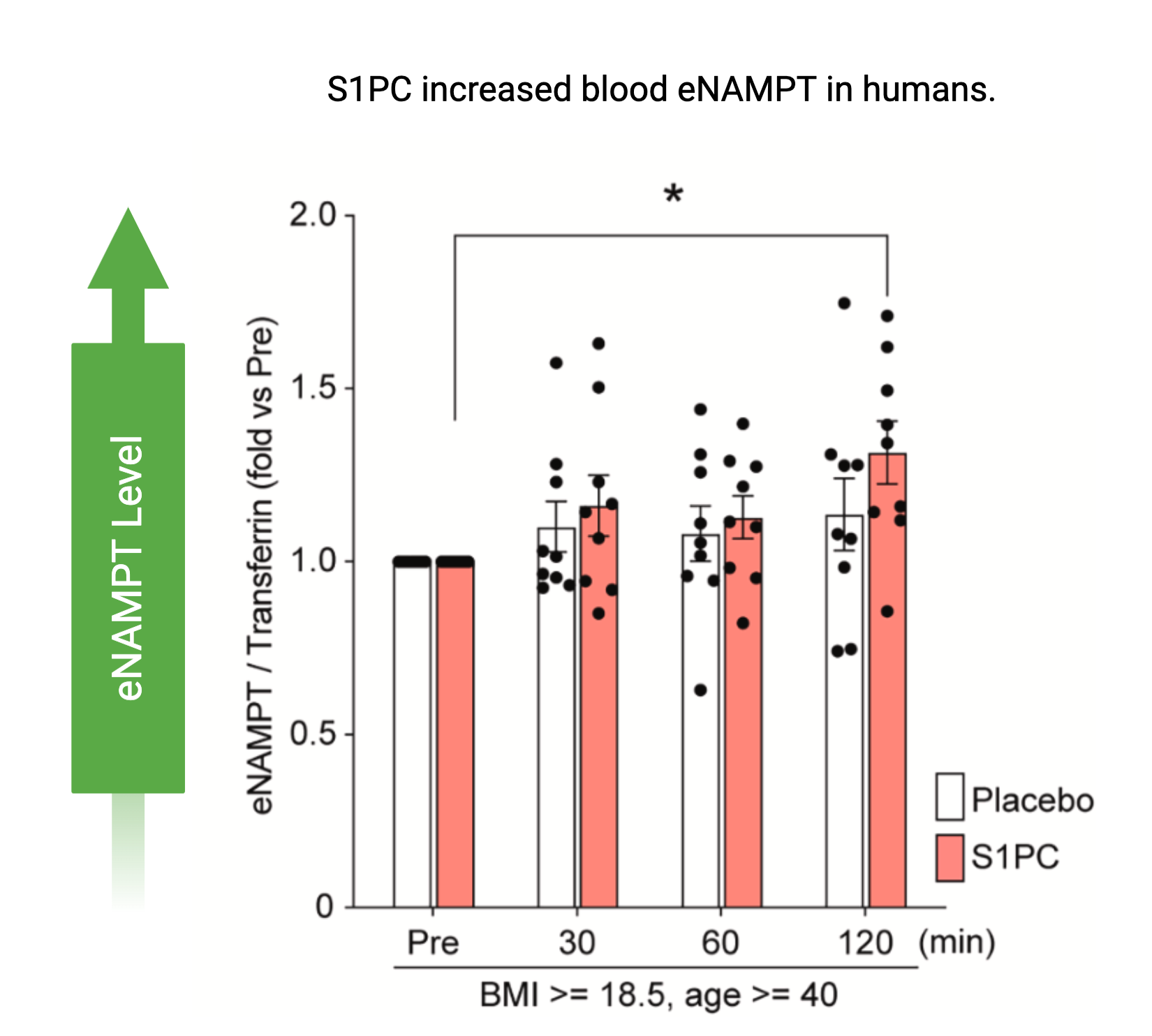
However, that does not prove the same full pathway happens in humans. It does not show that brain NAD+ rises in people, and it does not show that S1PC improves muscle function in humans. There are also no S1PC supplements currently available, and concentrated doses may carry unknown risks. Even though garlic and aged garlic are generally associated with better health overall, that does not automatically mean concentrated S1PC would be safe or beneficial.
The animal data were also largely focused on old mice, while the available human data do not clearly answer whether older adults would experience functional improvements.
Aged Garlic Extract and Physical Performance
Since S1PC supplements are not available, the closest human evidence comes from studies using aged garlic extract, which contains S1PC.
Human evidence is limited, but two studies [809, 810] suggest that aged garlic extract may have benefits for physical performance. One study [809] found improvements in muscle power after aged garlic extract supplementation, which is consistent with the preclinical findings on force generation in mice.
Whether those effects come directly from S1PC is impossible to know. The human aged garlic studies point in an interesting direction, but they do not isolate S1PC as the cause.
Why the Evidence Still Needs Caution
The human evidence has several limitations. The second performance study [810] had weak methodology, including no control group. The available human studies also involved people in their 30s and 50s, not older adults in whom the brain-muscle signaling pathway might be more impaired.
The effects also appear mild. That matters because the proposed mechanism is based on restoring a pathway that may decline with age. If younger or middle-aged adults already have relatively intact brain-muscle signaling, large effects would not necessarily be expected.
So, the fairest interpretation is that S1PC raises blood eNAMPT in humans, but we do not know whether it raises brain NAD+ in humans. Aged garlic extract may mildly improve some measures of physical performance, but the evidence is still too sparse to treat this as a proven anti-aging intervention.
Main Points
S1PC is a molecule found in aged garlic extract. Early research suggests it may influence NAD+, a molecule involved in many cellular reactions, including DNA repair. In preclinical research, S1PC increased NAD+ in the hypothalamus and improved muscle performance in aging animals.
The proposed pathway links fat tissue, the brain, and muscle. S1PC affects fat cells, fat cells release eNAMPT, eNAMPT supports hypothalamic NAD+, and the hypothalamus may then communicate more effectively with neurons that control muscle contraction.
Human evidence is much more limited. S1PC has been shown to raise blood eNAMPT in humans, but it has not been shown to raise brain NAD+ or directly improve muscle outcomes in people.There are a few small studies indicating aged garlic extract may provide a muscle performance benefit, but these studies are limited in scope and cannot tease out S1PC directly.
The evidence is promising, but not yet convincing. There are no available S1PC supplements, no functional outcome studies using isolated S1PC in humans, and no safety data for the very large aged garlic extract amounts that would be needed to match the studied S1PC dose. For now, aged garlic-derived S1PC is better viewed as an exciting early research lead, not a proven anti-aging strategy.
How does S1PC affect our cells?
Aged Garlic Extract on Muscle Power Performance
Aged Garlic Extract on Exercise Recovery
All of these topics are explored in depth in the complete analysis, along with access to a private podcast, live sessions, a growing research library, and practical breakdowns—available exclusively to Physionic Insiders.
Dr. Nicolas Verhoeven, PhD / Physionic
References
[Study 808] Suzuki JI, Yoshioka K, Kurita M, et al. Garlic-derived metabolite activates LKB1, promotes adipose eNAMPT secretion, and improves age-related muscle function via hypothalamic signaling. Cell Metab. 2026;38:1-11.e10. doi:10.1016/j.cmet.2026.04.006.
Funding/Conflicts: Public Funding: From the study, no public funding source was reported; Non-Profit Funding: From the study, no non-profit funding source was reported; Industry Funding: From the study, no industry funding source was reported, and no conflict-of-interest statement was found in the accessible full-text record. The author affiliations included Maastricht University/NUTRIM and the Top Institute Food and Nutrition, but these were listed as affiliations rather than explicit funding sources.
[Study 809] Ried K, Paye Y, Beale D, Sali A. Kyolic aged garlic extract improves aerobic fitness in middle-aged recreational endurance athletes: a randomized double-blind placebo-controlled 3 month trial. Exp Ther Med. 2025;29:86. doi:10.3892/etm.2025.12836.
Funding/Conflicts: Public Funding: From the study, no public funding source was reported; Non-Profit Funding: From the study, no non-profit funding source was reported; Industry Funding: From the study, KR received travel sponsorship from Wakunaga of America Co., Ltd., and the trial was supported by a Wakunaga of America Co., Ltd. grant that supplied trial capsules and funded testing costs, research assistance, and open-access publication, while the sponsor was not involved in study design, data collection, analysis, or manuscript preparation; the authors declared no competing interests.
[Study 810] Punduk Z. Aged garlic supplementation improves muscle performance properties in untrained male. Electron J Biol. 2016;12(3):222-228.
Funding/Conflicts: Public Funding: From the study, the work was supported by the Balikesir University Scientific Research Project, grant no. 2014/68, Turkey, and no other organization or institution cofinanced the research; Non-Profit Funding: From the study, no non-profit funding source was reported; Industry Funding: From the study, no industry funding source was reported, AGE supplementation was provided by Prof. Dr. Khalid Rahman from Liverpool John Moores University, and the author declared no competing interests.
I buy aged black garlic at my local Walmart. I like the taste of it and health benefits. I would like to know how much S1PC and any other useful nutrients are in a clove.