
Scientists Found a “Protein Sensor” in the Brain That Controls Hunger

Main Points
Protein can support weight loss and body fat loss, but its clearest effect may happen when people are allowed to eat freely. In that setting, higher protein can naturally reduce calorie intake by increasing fullness and reducing hunger.
When calories are tightly controlled, the appetite-reducing advantage of protein may be muted. This may help explain why some high-protein studies do not show the same fat-loss results.
A newer study identified Cav3.1 as a brain-based protein sensor involved in the response to dietary protein. When Cav3.1 was present, high protein reduced food intake. When Cav3.1 was knocked out, food intake rebounded.
Activated POMC neurons help send fullness signals to the brain, reducing the drive to eat. Mutagenesis experiments supported this mechanism by showing that disrupting leucine’s binding site on Cav3.1 removed the effect.
Higher-leucine protein sources may reduce hunger more than lower-leucine sources when total protein intake is low.
Pure leucine supplementation likely has an independent satiety effect, although the effect was small in the available study and more research would be helpful.
Overall, protein’s fullness effect may be partly explained by leucine activating Cav3.1 in satiety-related brain neurons. For practical use, higher protein intake appears most useful when it helps people naturally eat less without focusing on strict calorie counting.
Protein’s role in weight loss is not new. Higher-protein diets are often discussed because they can help people lose weight, reduce body fat, and preserve functional tissue such as muscle.
But newer research adds a more specific explanation for why protein may have these effects. The key finding is not simply that protein helps with fullness. It is that certain amino acids from protein may activate a specific sensing system in the brain that helps reduce food intake.
That mechanism may help explain why some high-protein studies show clear fat-loss benefits, while others do not.
One study [804] showed the classic high-protein effect clearly. Participants were told to consume 30% of their total nutrition as protein, but they were allowed to eat as much as they wanted. Even without directly forcing calorie restriction, they lost weight and body fat.
However, not every study finds the same result. Another study [805] increased protein intake but did not show the same fat-loss effect.
That raises an important question: if both studies increased protein, why did the results differ?
A newer study [803] helps explain the biology behind that effect.
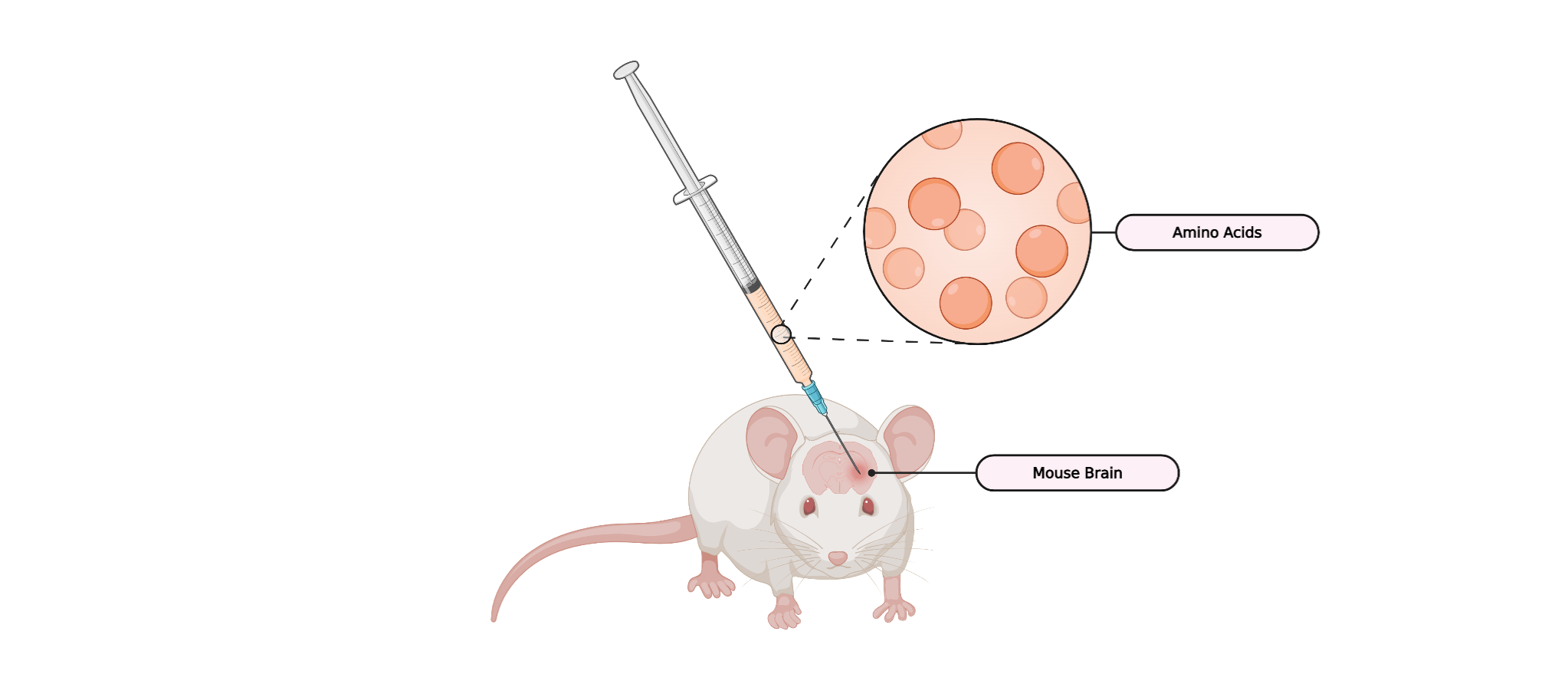
The Brain Protein That Responds to Dietary Protein
The newer study confirmed that higher protein intake can change body weight, but the researchers went further. They looked at what happens in the brain when amino acids, the building blocks of dietary protein, are involved.
They found that a functional protein called Cav3.1 was highly enriched in the brain. This is not dietary protein. Instead, Cav3.1 is a functional cell membrane protein, meaning it sits on the surface of neurons and helps the cell perform a specific task.
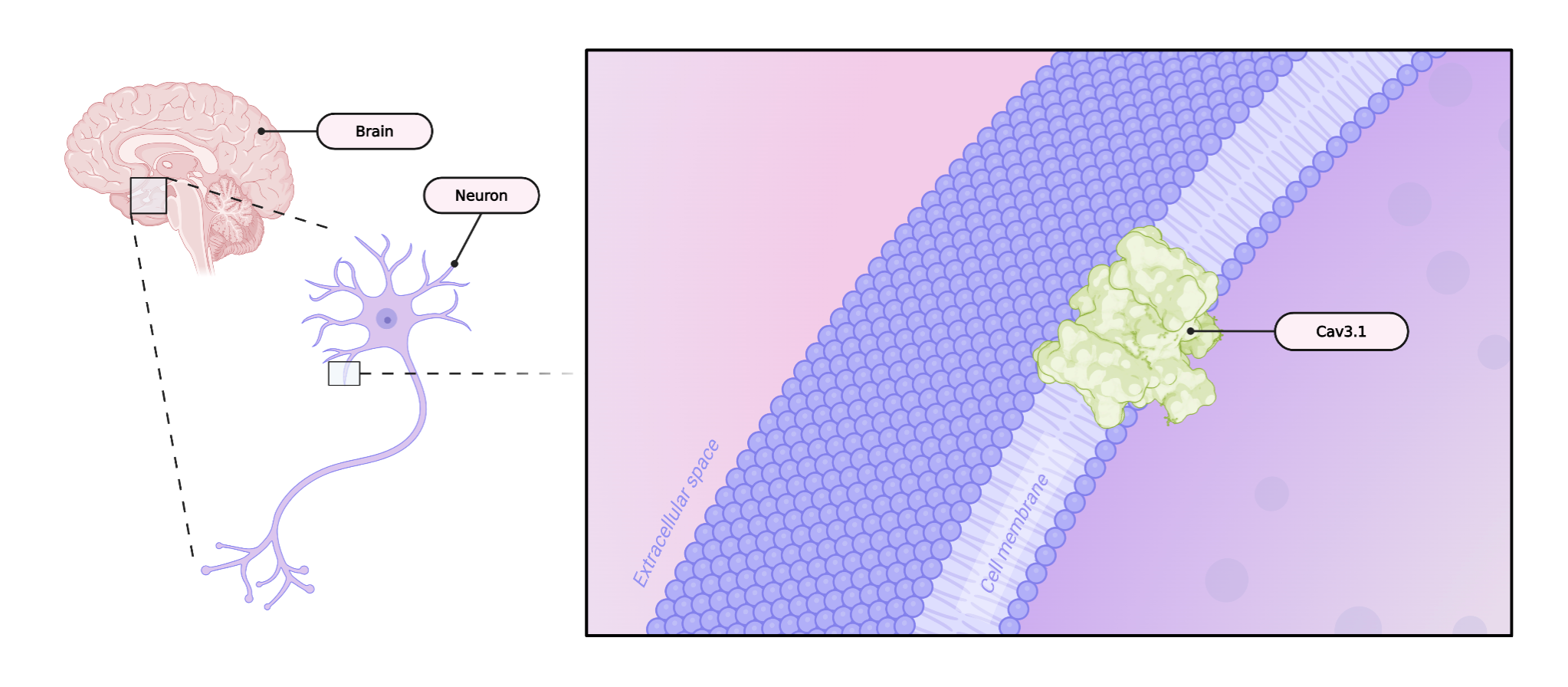
When researchers removed Cav3.1 from brain cells and measured food intake, the result was revealing.
Under low-protein conditions, removing Cav3.1 did not meaningfully change food intake. But under high-protein conditions, the difference became clear. When Cav3.1 was present, high protein caused a strong reduction in food intake. When Cav3.1 was knocked out, food intake rebounded.
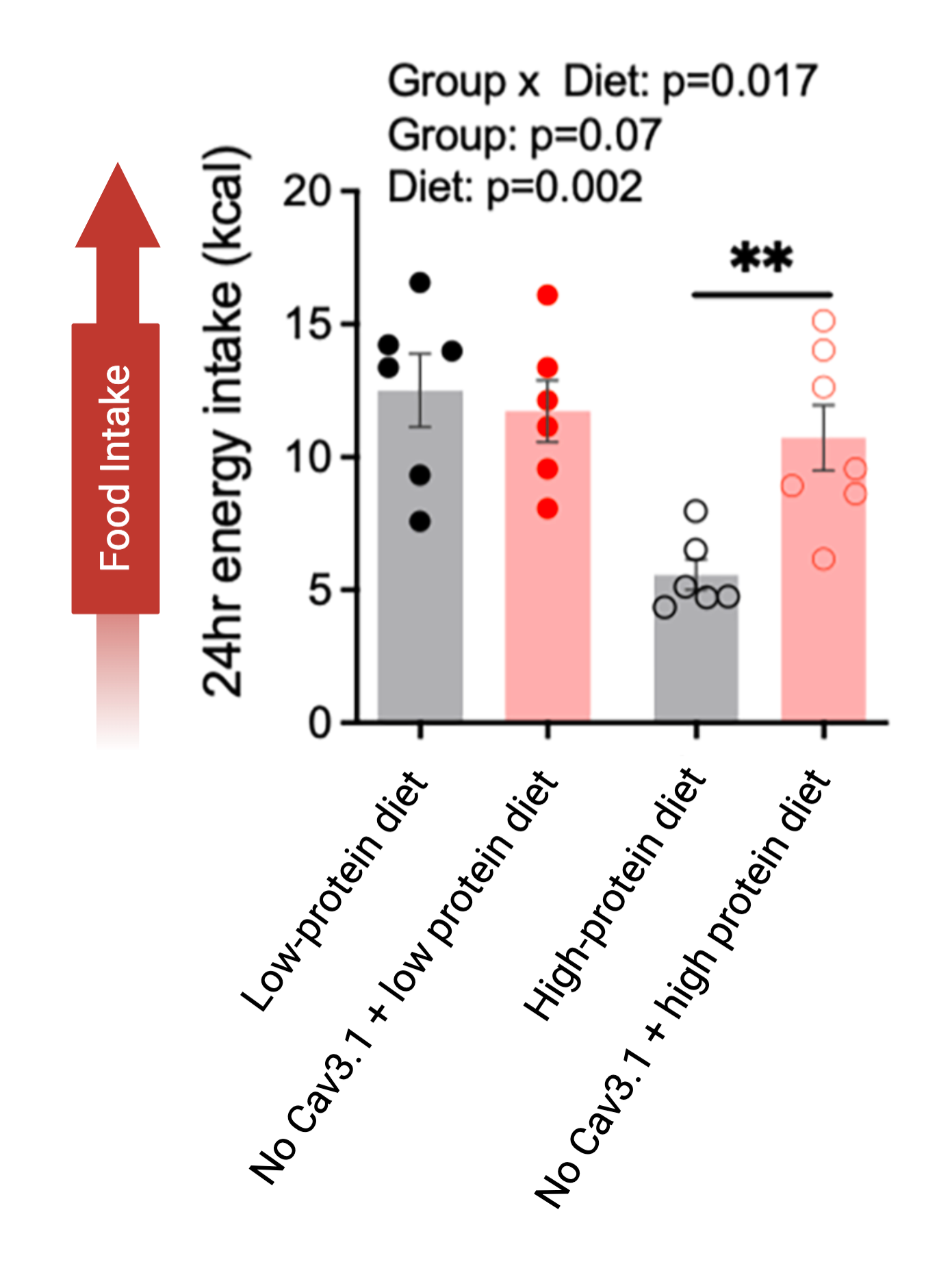
This suggests that Cav3.1 helps mediate the appetite-reducing effect of high protein. In other words, Cav3.1 appears to be one reason high protein can lead to less food consumption and, likely, greater fat loss.
How Leucine Activates Satiety Neurons
Cav3.1 works by regulating calcium flow into neurons, specifically POMC (Pro-opiomelanocortin) neurons in the hypothalamus.
POMC neurons are important because they help send satiety signals to other parts of the brain. Satiety means the feeling of fullness or reduced drive to eat.
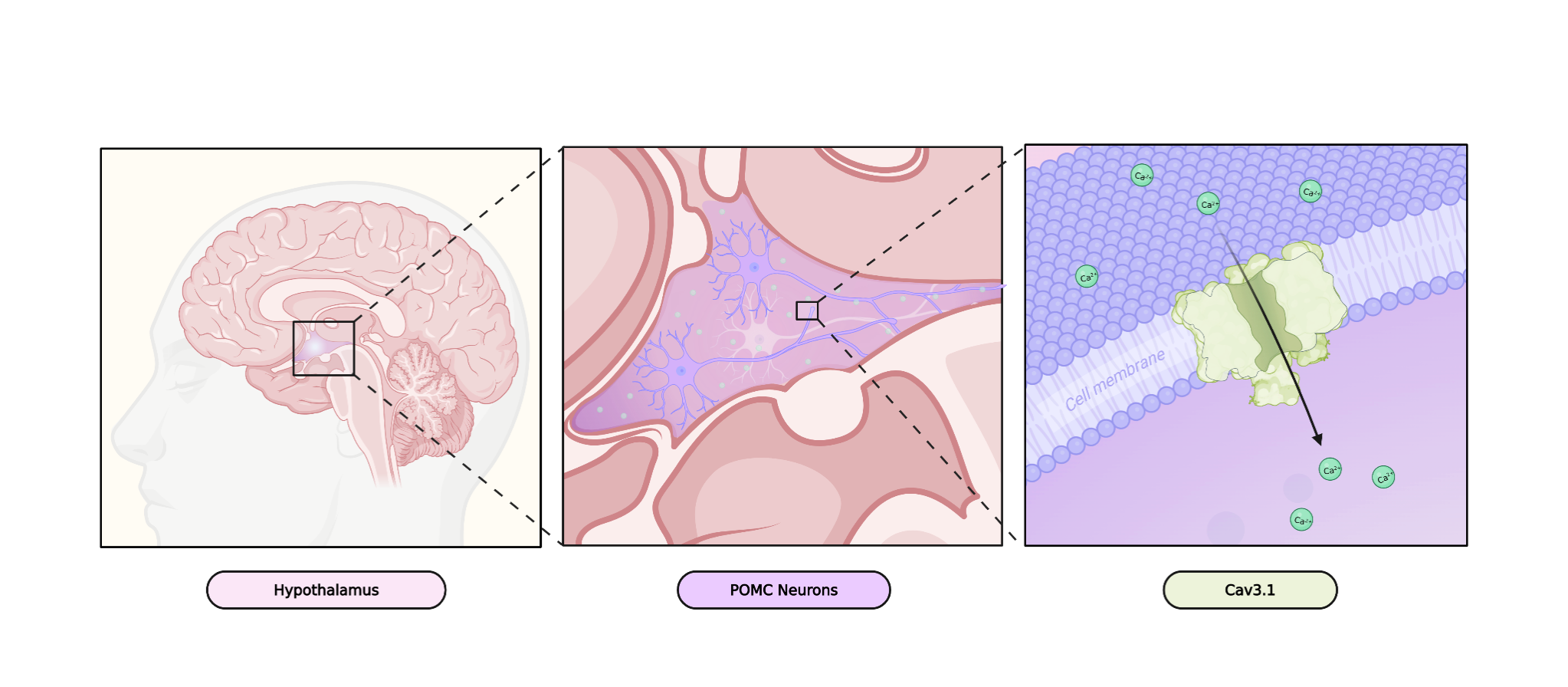
The study [803] found that leucine, one of the branched-chain amino acids found in dietary protein, binds directly to Cav3.1 and activates it.
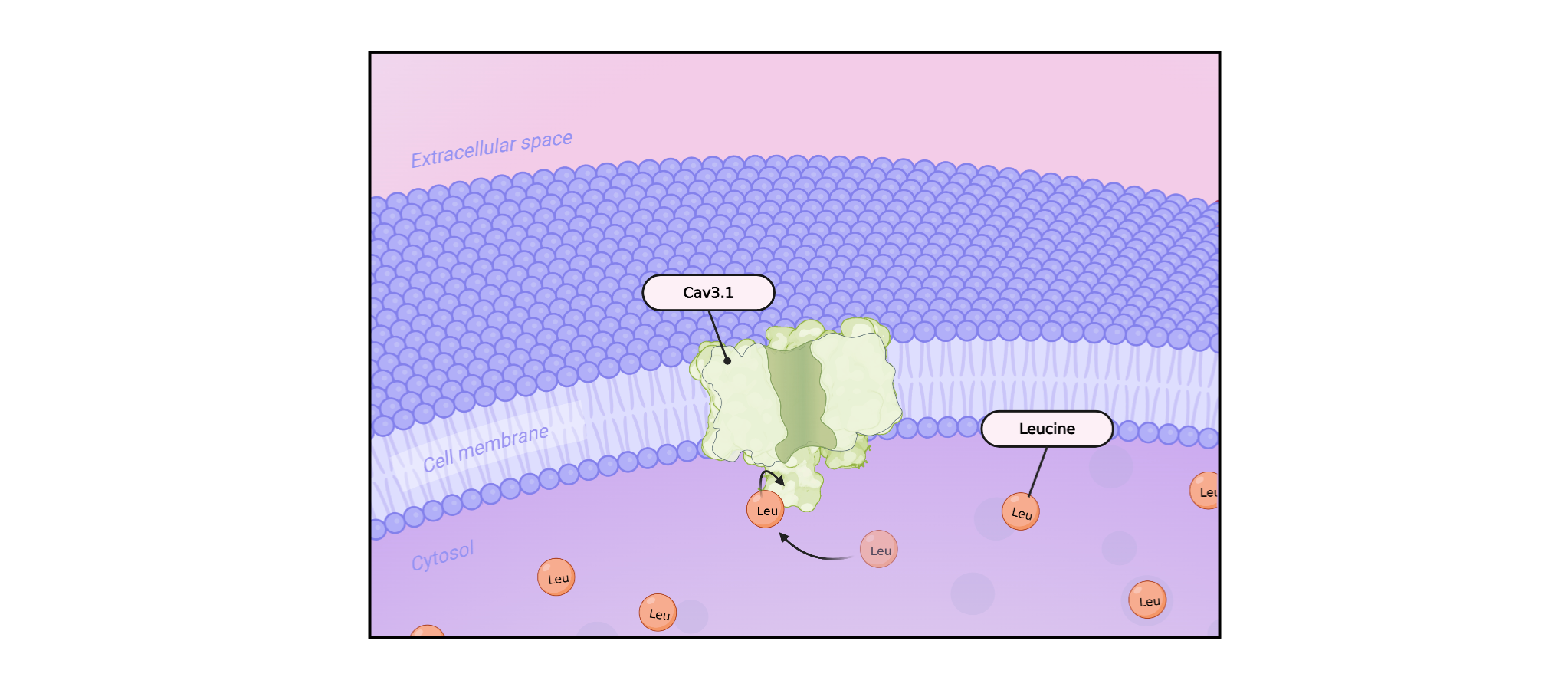
This matters because activated POMC neurons send signals that reduce the drive to eat.
The researchers also confirmed the mechanism using mutagenesis experiments, but we don’t need to worry about that – my point only being that these results were shown multiple times, various ways. In short, they changed the sections of Cav3.1 where leucine would normally bind. When leucine could no longer bind properly, the effect disappeared.
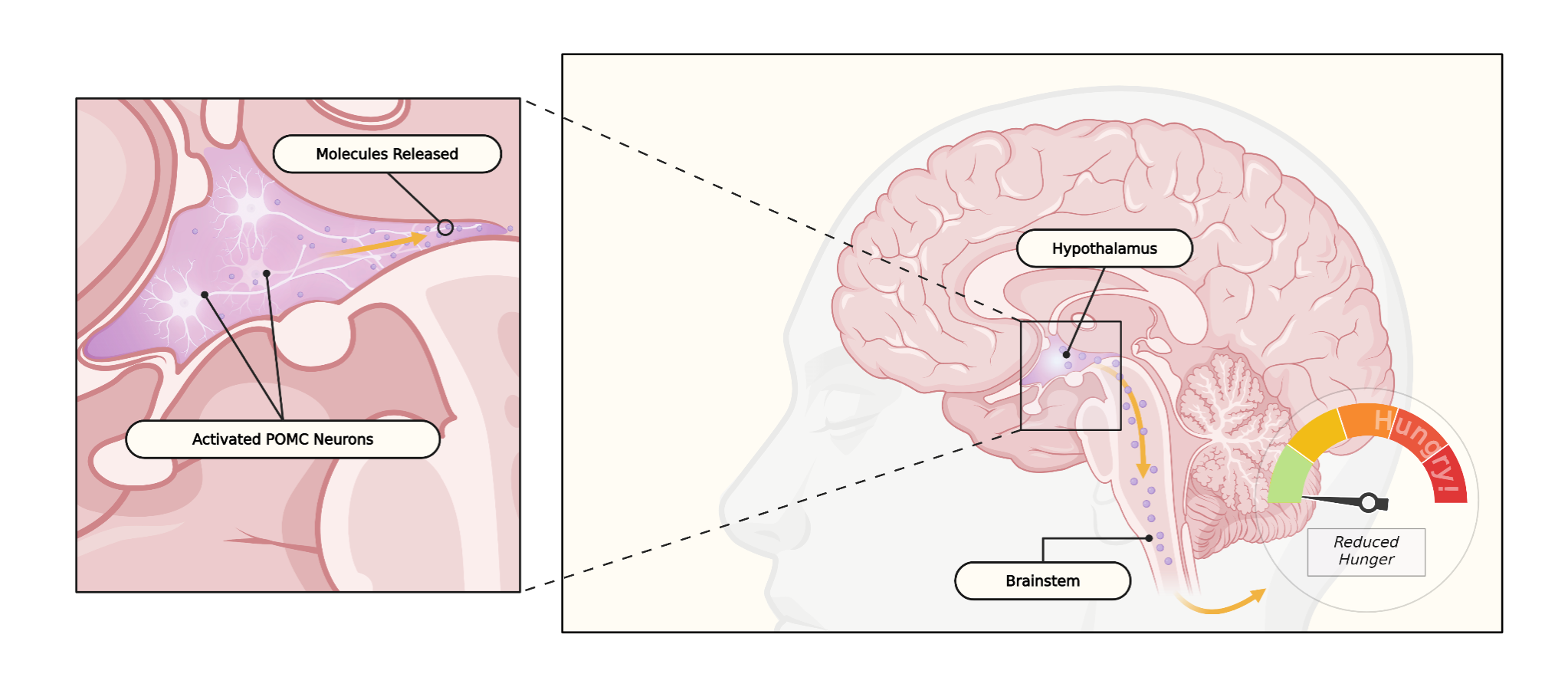
So, the short version is this: protein-derived leucine appears to activate satiety-signaling POMC neurons through Cav3.1, helping reduce overall food intake.
Leucine’s cellular impact within the Neuron
GLP1 RA Peptides + Cav3.1: A Dual Mechanism?
Does total Protein amount make a difference?
Calories, Protein, and Changes in Hunger
All of these topics are explored in depth in the complete analysis, along with access to a private podcast, live sessions, a growing research library, and practical breakdowns—available exclusively to Physionic Insiders.
What Happens When People Eat More Protein Freely?
The human application becomes clearer when returning to the study [804-805] where people were told to increase protein intake to 30% of total nutrition.
That study [804] had three phases. First, participants consumed a lower-protein diet (CRC1). Then, they consumed a higher-protein diet while calories were held steady (CRC2). Finally, they continued the high-protein diet, but calories were no longer clamped (CRC3), meaning they could eat freely.
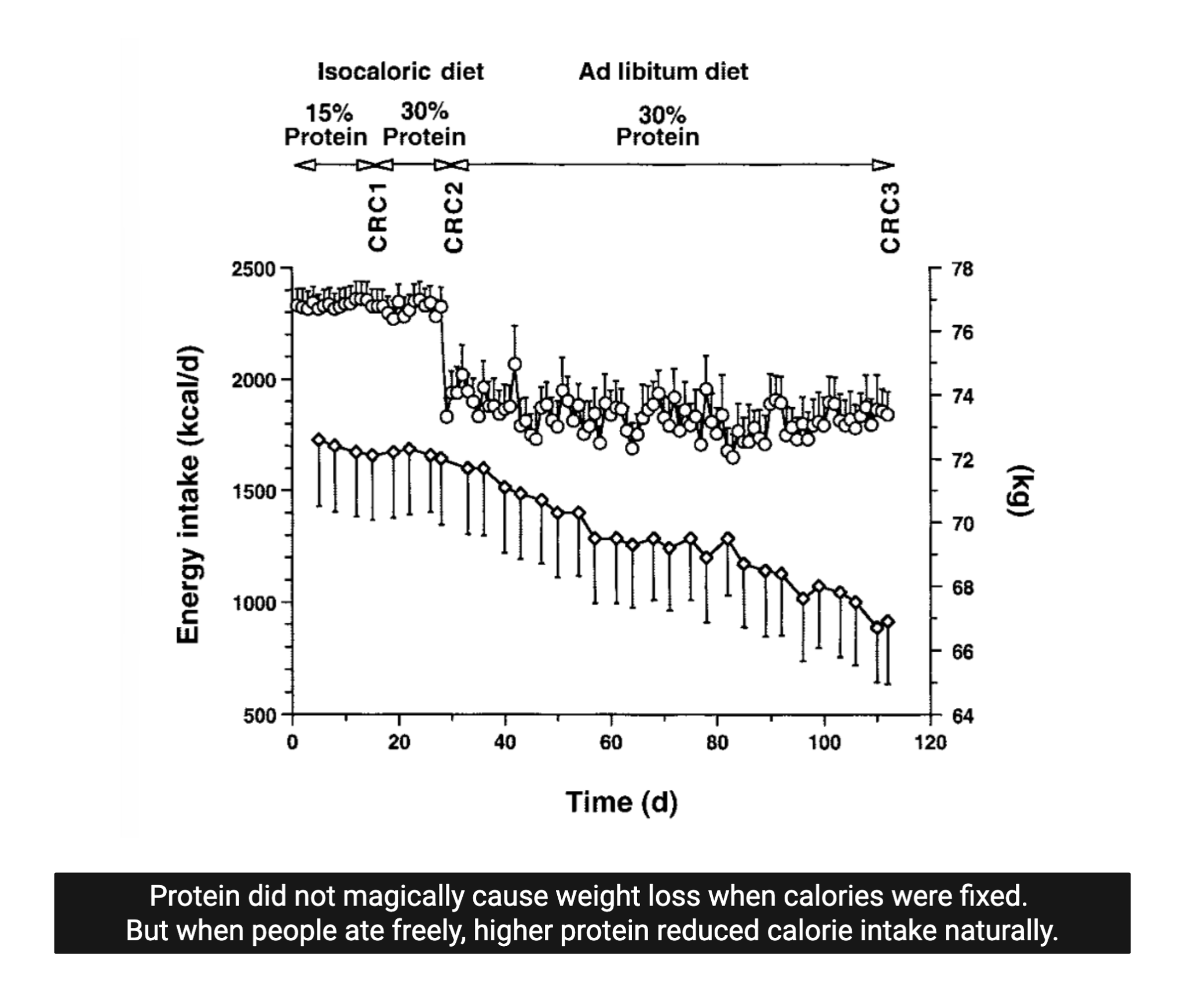
When calories were controlled, body weight did not significantly shift. But when participants could eat freely while keeping protein high, calorie intake naturally dropped, and body weight steadily decreased.
This supports the idea that protein’s strongest fat-loss effect may occur when people are not tightly controlling calories. Instead, higher protein may reduce hunger and cause people to eat less naturally.
This also helps explain why the study [805] that controlled calories throughout did not show the same high-protein advantage. If calorie intake is fixed, the natural appetite-lowering effect of protein cannot fully express itself.
The main practical idea is that protein may help most clearly when people are not directly counting or tightly controlling calories. Higher protein can help calorie intake fall naturally by increasing fullness.
Does Leucine Content Matter?
The Cav3.1 mechanism points toward leucine, but whole protein foods and supplements contain many amino acids. That raises another question: does a protein source need to be especially rich in leucine to increase satiety?
One study [807] tested this by giving people similar low-protein meals but changing the protein source. Some protein sources contained more leucine than others.
The higher-leucine protein source led to less hunger than the other protein sources, even when the protein was only about 10% of the meal.
That finding is useful, but it is not perfect. Protein sources differ in more than leucine. They also differ in other amino acids and digestion patterns. So, this kind of study can suggest a leucine effect, but it cannot fully isolate leucine.
What Happens When Leucine Alone Is Added?
A cleaner test comes from a study [806] that supplemented pure leucine.
In that study, blood leucine increased according to the amount of leucine added. No added leucine produced the lowest blood leucine levels, 2 grams produced more, and 3 grams produced the highest levels.
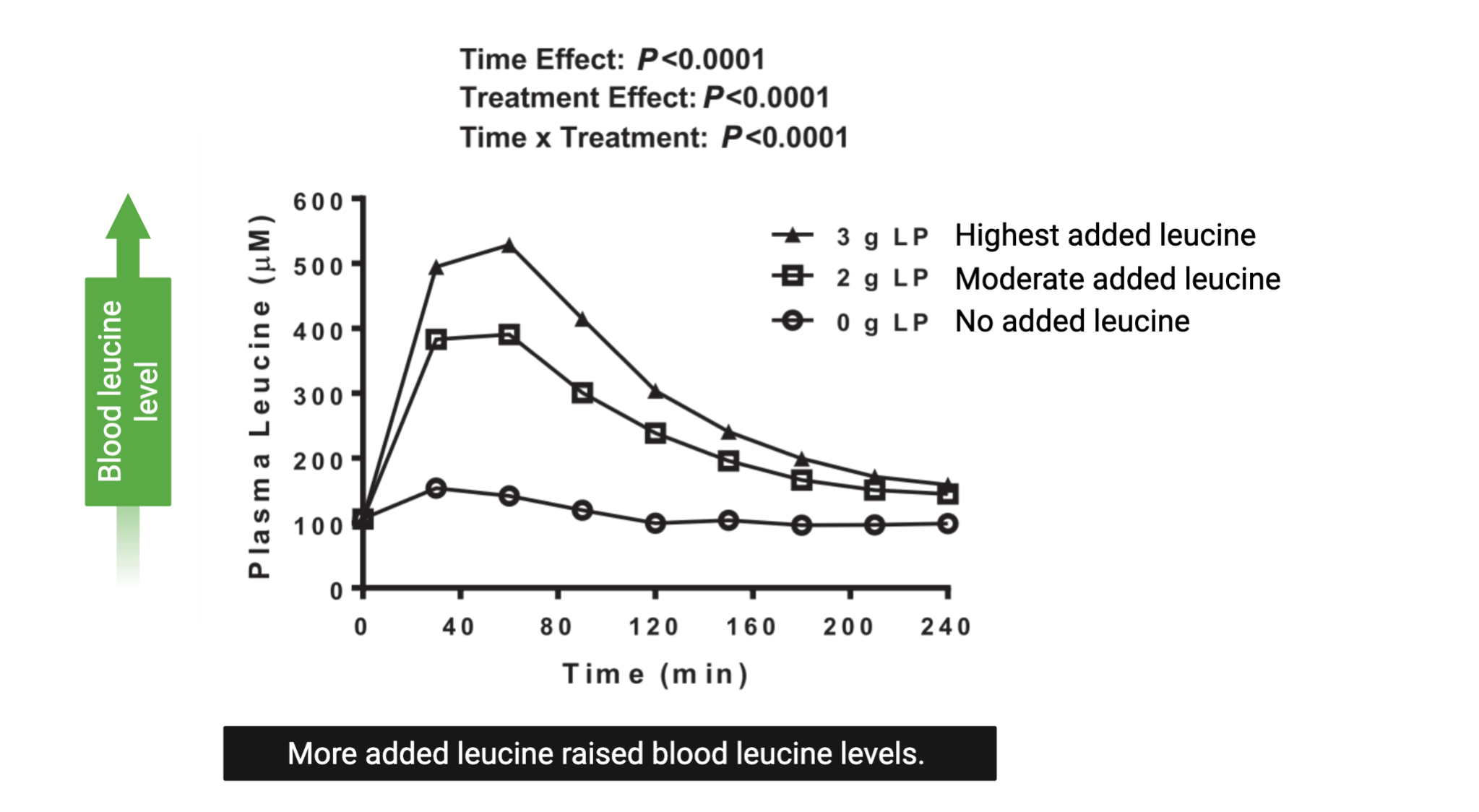
When researchers measured the desire for food, the data suggested that leucine likely had an independent satiety effect. One measure reached statistical significance, and another came very close.
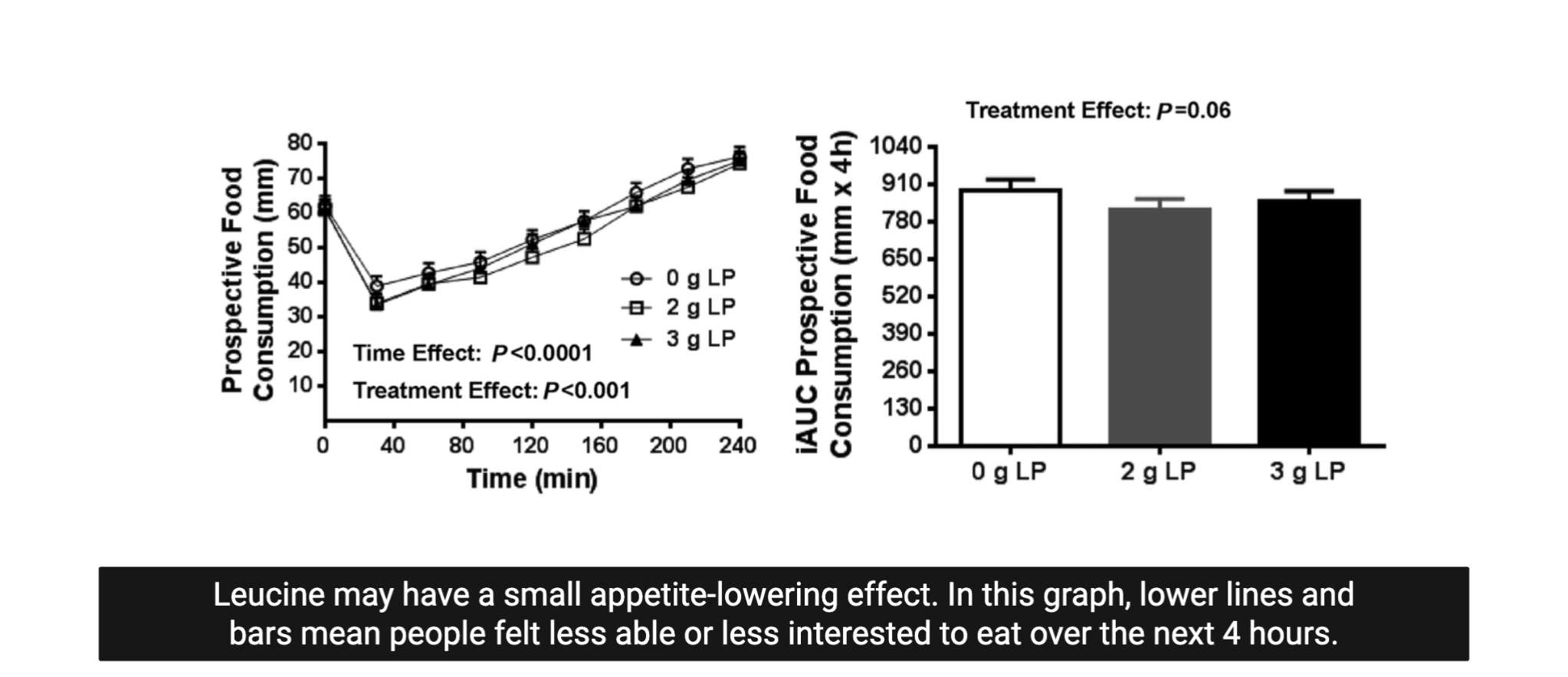
The effect was small in that context, but it still supports the idea that leucine itself can reduce the desire for food. More research would be helpful, especially from non-industry-sponsored work and in contexts with different protein intakes.
Main Points
Protein can support weight loss and body fat loss, but its clearest effect may happen when people are allowed to eat freely. In that setting, higher protein can naturally reduce calorie intake by increasing fullness and reducing hunger.
When calories are tightly controlled, the appetite-reducing advantage of protein may be muted. This may help explain why some high-protein studies do not show the same fat-loss results.
A newer study identified Cav3.1 as a brain-based protein sensor involved in the response to dietary protein. When Cav3.1 was present, high protein reduced food intake. When Cav3.1 was knocked out, food intake rebounded.
Activated POMC neurons help send fullness signals to the brain, reducing the drive to eat. Mutagenesis experiments supported this mechanism by showing that disrupting leucine’s binding site on Cav3.1 removed the effect.
Higher-leucine protein sources may reduce hunger more than lower-leucine sources when total protein intake is low.
Pure leucine supplementation likely has an independent satiety effect, although the effect was small in the available study and more research would be helpful.
Overall, protein’s fullness effect may be partly explained by leucine activating Cav3.1 in satiety-related brain neurons. For practical use, higher protein intake appears most useful when it helps people naturally eat less without focusing on strict calorie counting.
Leucine’s cellular impact within the Neuron
GLP1 RA Peptides + Cav3.1: A Dual Mechanism?
Does total Protein amount make a difference?
Calories, Protein, and Changes in Hunger
All of these topics are explored in depth in the complete analysis, along with access to a private podcast, live sessions, a growing research library, and practical breakdowns—available exclusively to Physionic Insiders.
Dr. Nicolas Verhoeven, PhD / Physionic
References
[Study 803] Tsang AH, Heeley N, Alcaino C, Hwang E, Lam BY, Rahman T, et al. Cav3.1 is a neuronal leucine sensor that mediates satiety and weight loss in response to dietary protein. Cell Metab. 2026;38(5):876-890.e13. doi:10.1016/j.cmet.2026.03.017.
Funding/Conflicts: Public Funding: From the study, support included the Medical Research Council/MRC grants MC_UU_12012/5, MC_UU_12012/1, MC_UU_00014/6, MR/M501736/1, MR/S011552/1, and MC_UU_00014/5; Non-Profit Funding: From the study, support included Wellcome Trust grants 100574/Z/12/Z, 204845/Z/16/Z, and 208363/Z/17/Z, plus a British Society for Neuroendocrinology Summer Student award; Industry Funding: From the study, no industry funding source was reported, and the authors declared no competing interests.
[Study 804] Weigle DS, Breen PA, Matthys CC, Callahan HS, Meeuws KE, Burden VR, et al. A high-protein diet induces sustained reductions in appetite, ad libitum caloric intake, and body weight despite compensatory changes in diurnal plasma leptin and ghrelin concentrations. Am J Clin Nutr. 2005;82(1):41-48. doi:10.1093/ajcn.82.1.41.
Funding/Conflicts: Public Funding: From the study, the accessible indexing record lists NIH/NIDDK support, including grant DK35816; Non-Profit Funding: From the study, no non-profit funding source was found in the accessible record; Industry Funding: From the study, no industry funding source was found in the accessible record, and no conflict-of-interest statement was visible in the accessible record.
[Study 805] Lim JJ, Liu Y, Lu LW, Barnett D, Sequeira IR, Poppitt SD. Does a higher protein diet promote satiety and weight loss independent of carbohydrate content? An 8-week low-energy diet (LED) intervention. Nutrients. 2022;14(3):538. doi:10.3390/nu14030538.
Funding/Conflicts: Public Funding: From the study, the work was funded by the New Zealand Tertiary Education Commission through the Riddet Institute, a New Zealand Centre of Research Excellence, including a PhD scholarship for J.J.L.; Non-Profit Funding: From the study, no non-profit funding source was reported; Industry Funding: From the study, Cambridge Diet NZ and Nutratech Ltd. partially supported product costs for meal replacements and whey protein, and the authors declared no conflicts of interest.
[Study 806] Bolster DR, Rahn M, Kamil AG, Bristol LT, Goltz SR, Leidy HJ, et al. Consuming lower-protein nutrition bars with added leucine elicits postprandial changes in appetite sensations in healthy women. J Nutr. 2018;148(5):693-701. doi:10.1093/jn/nxy023.
Funding/Conflicts: Public Funding: From the study, no public funding source was reported; Non-Profit Funding: From the study, no non-profit funding source was reported; Industry Funding: From the study, the work was supported by PepsiCo R&D, and conflicts included DRB, MR, AGK, LTB, SRG, MBMT, MAN, EG, JW, and LSH being employees of PepsiCo or employees at the time the study took place, while HJL reported no conflicts of interest.
[Study 807] Veldhorst MA, Nieuwenhuizen AG, Hochstenbach-Waelen A, et al. Dose-dependent satiating effect of whey relative to casein or soy. Physiol Behav. 2009;96(4-5):675-682. doi:10.1016/j.physbeh.2009.01.004
Funding/Conflicts: Public Funding: From the study, no public funding source was reported; Non-Profit Funding: From the study, no non-profit funding source was reported; Industry Funding: From the study, no industry funding source was reported, and no conflict-of-interest statement was found in the accessible full-text record. The author affiliations included Maastricht University/NUTRIM and the Top Institute Food and Nutrition, but these were listed as affiliations rather than explicit funding sources.