
The Coffee Contradiction

Main Points
Coffee intake was associated with a lower risk of dementia, with the clearest benefit appearing up to about 3 cups (240ml per cup) per day. The most likely explanation is caffeine, which can alter adenosine signaling, reduce inflammatory activity in the brain, suppress enzymes involved in beta-amyloid production, and inhibit GSK3, an enzyme linked to Alzheimer’s disease progression. Decaffeinated coffee did not show the same consistent protective pattern and, in some analyses, was associated with a greater subjective sense of cognitive decline. That does not prove it is harmful, but it does make its role much more uncertain.
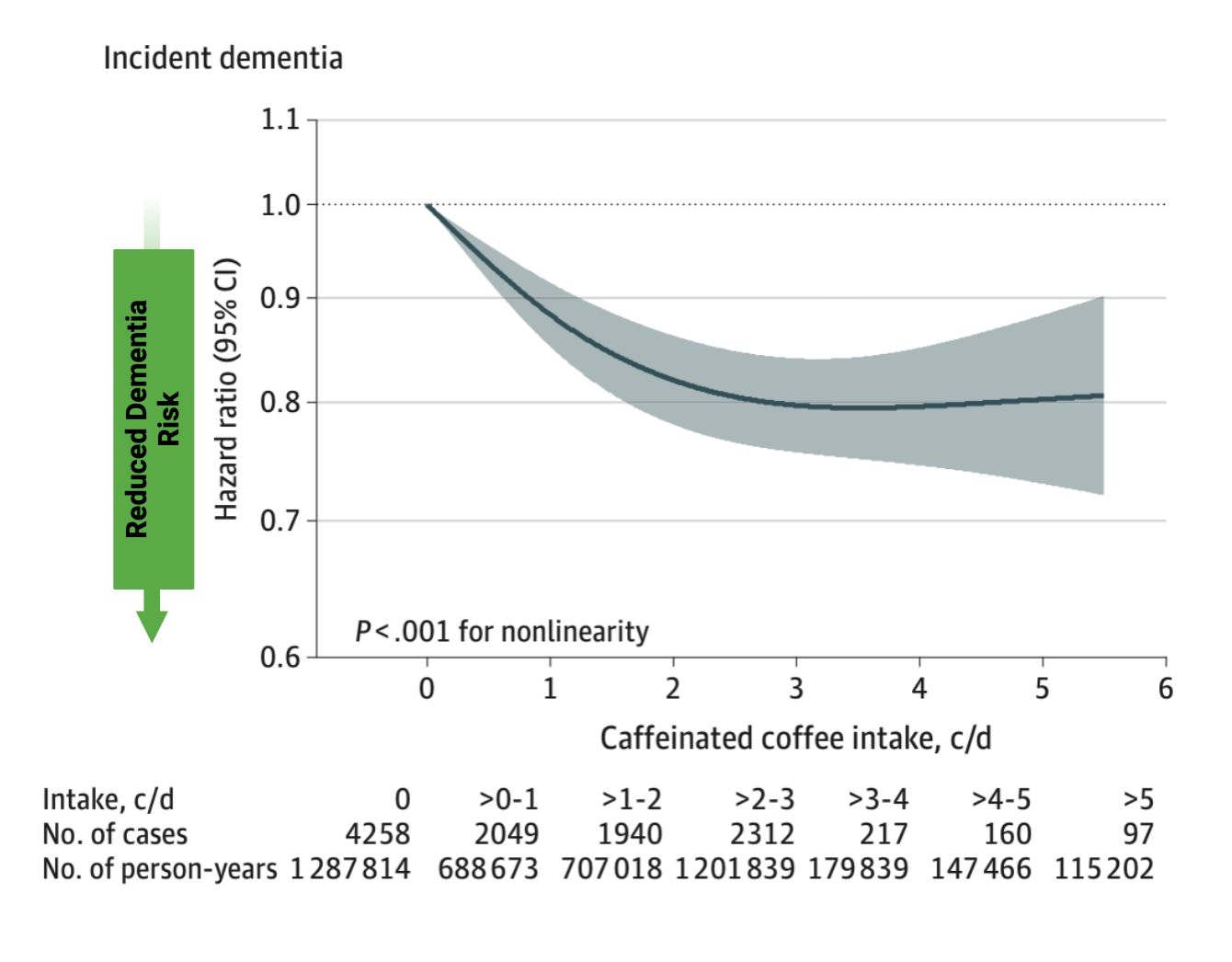
Coffee has a strong reputation for supporting health, and a huge new study adds real weight to that idea. In more than 100,000 people followed over an extraordinary 43 years [640], higher coffee intake was linked to a lower risk of dementia. One reason this study is especially powerful is that coffee consumption was not measured just once. It was tracked every 2 to 4 years over four decades, giving a much stronger picture of long-term intake.
When the data were examined, the relationship was clear: as coffee intake increased from zero cups to about 3 cups per day, dementia risk went down. Beyond that point, there seemed to be little extra benefit. In this study, one cup was defined as 8 ounces, or about 240 milliliters.
Why Coffee May Help Reduce Dementia Risk
Several biological mechanisms may help explain why coffee, and especially caffeine, appears to lower dementia risk. One major mechanism involves adenosine receptors. Adenosine is a molecule that builds up in the body over the course of the day and contributes to sleep pressure, meaning the growing biological drive to feel sleepy. As adenosine rises and binds to receptors on brain cells, it helps trigger signals that promote drowsiness.
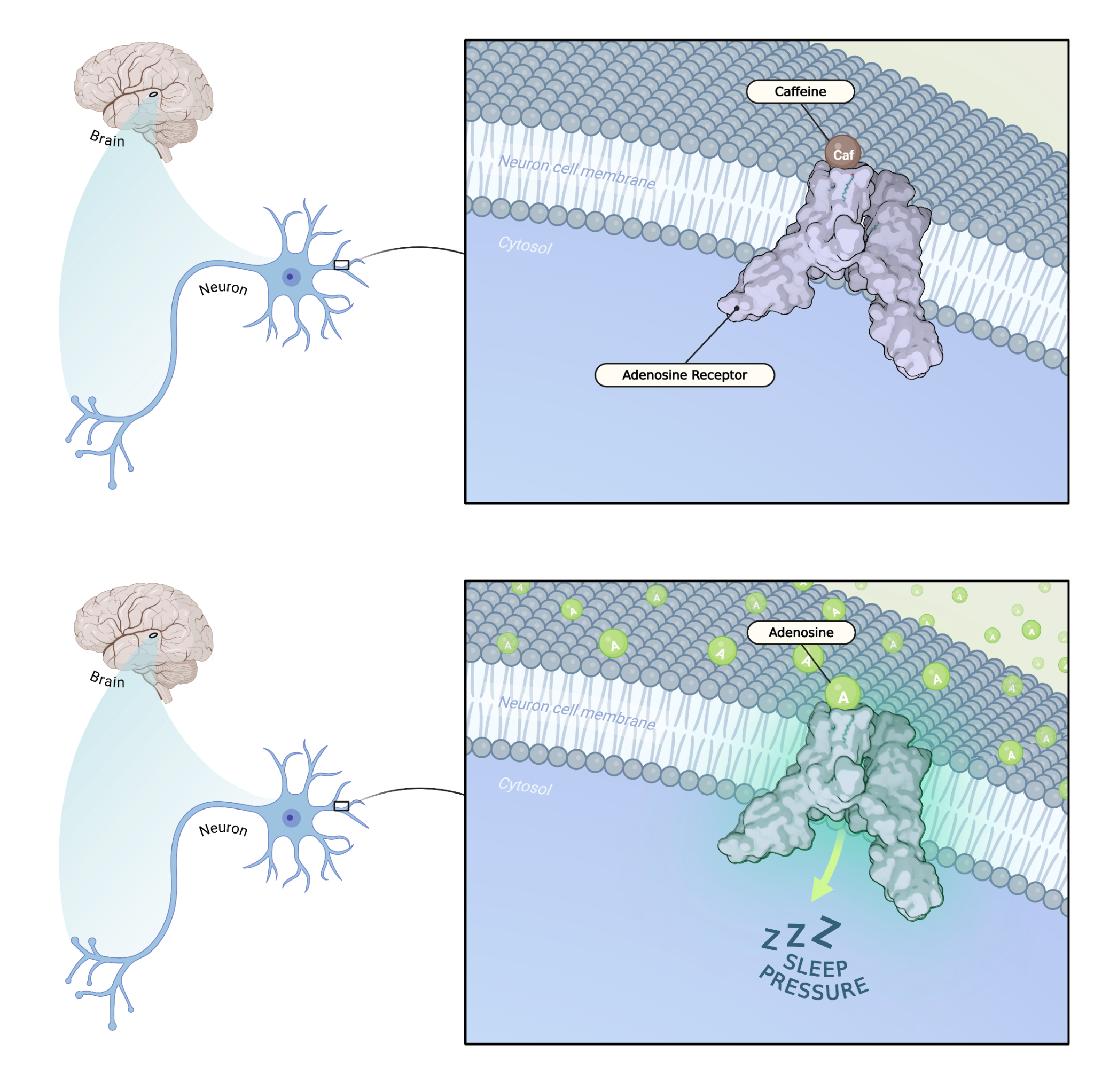
Caffeine can bind to those same receptors and change signaling within neurons, which are the brain cells responsible for communication and thought. That change appears to make brain cells more resistant to death caused by beta-amyloid, a protein strongly associated with Alzheimer’s disease.
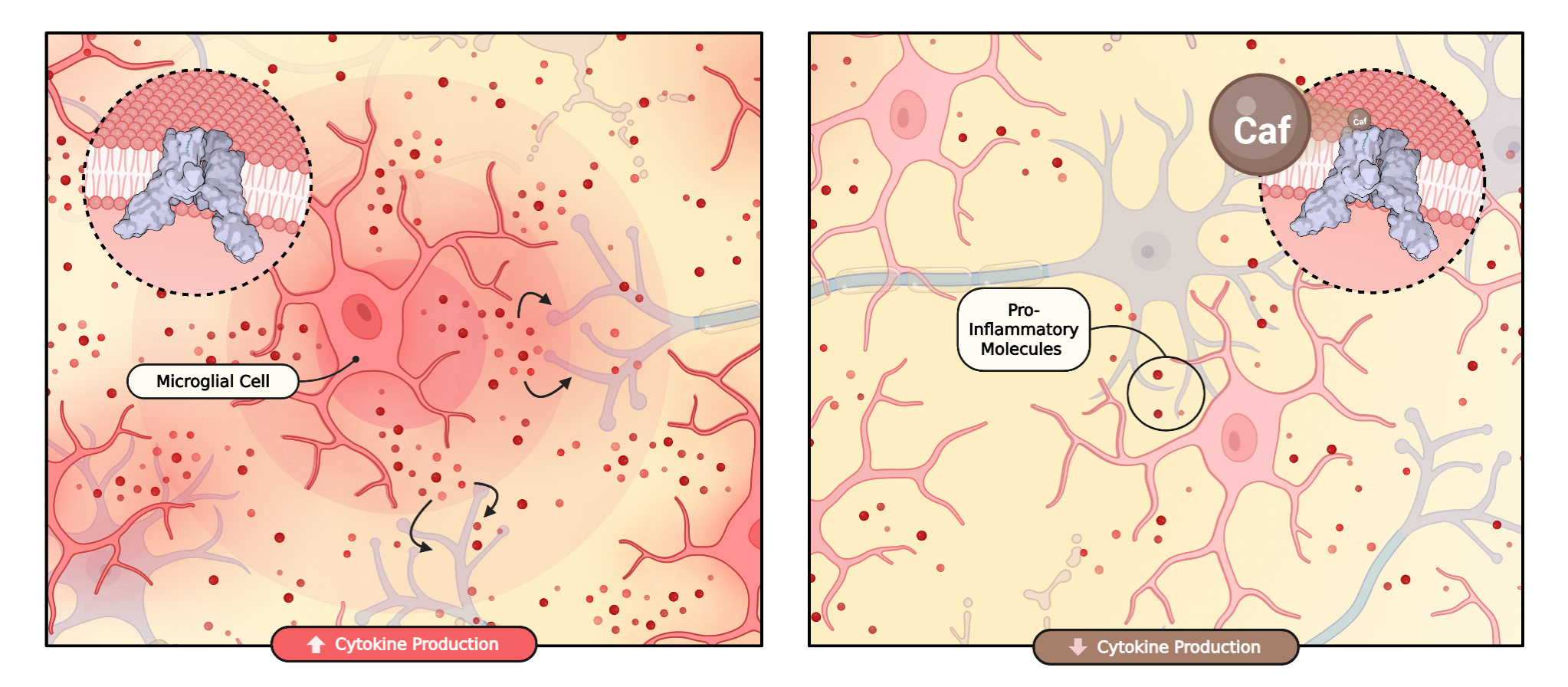
Caffeine may also affect microglia, which are inflammatory immune cells in the brain. When microglia become overactive, they can release pro-inflammatory molecules that damage surrounding brain cells. By reducing that inflammatory activity, caffeine may help protect neurons from excessive injury.
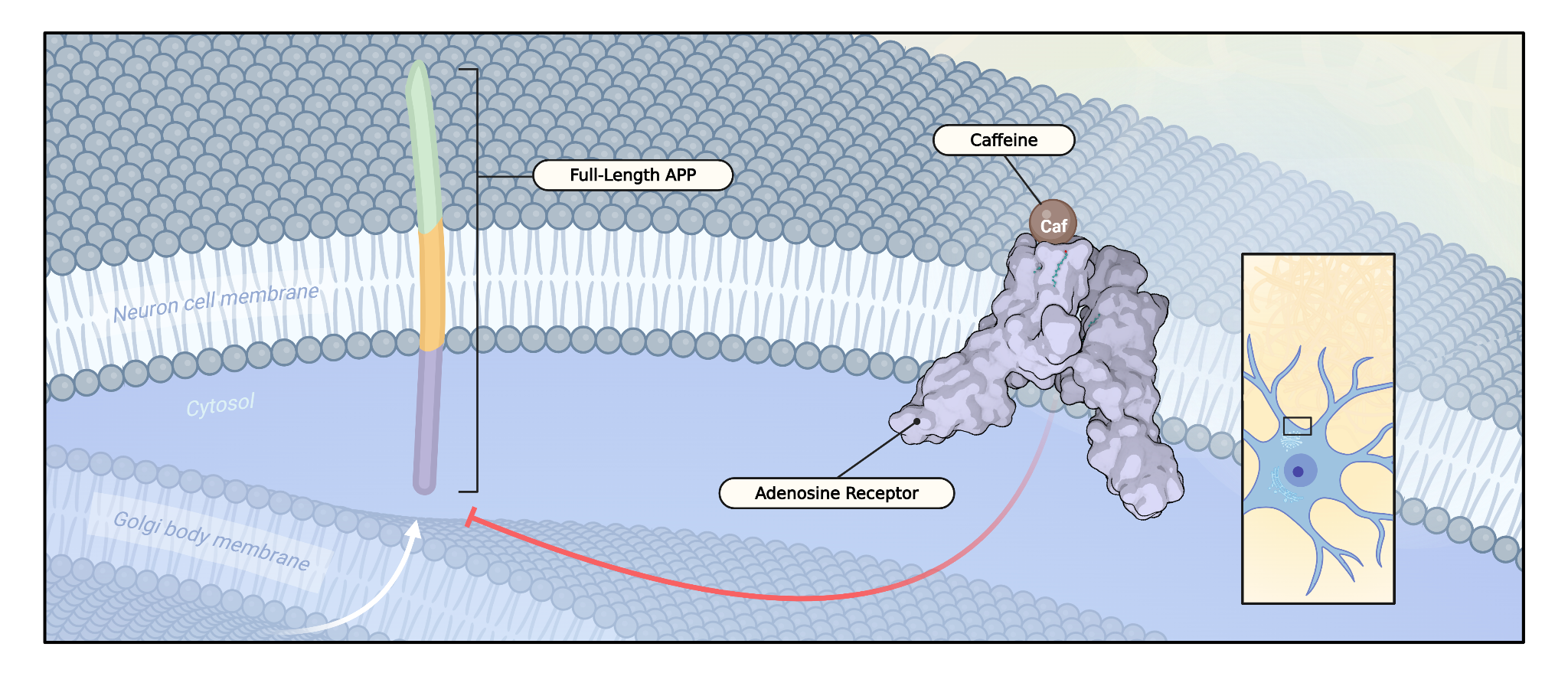
There is also evidence that caffeine suppresses the activity of two key enzymes involved in producing beta-amyloid, called secretases. Beta-amyloid does not simply appear at random. It is produced from a form attached to the membrane of brain cells. Secretases cut that protein free, creating a soluble version that can later clump together and interfere with communication between cells over time. Caffeine appears to interfere with this process by reducing the activity of those enzymes.
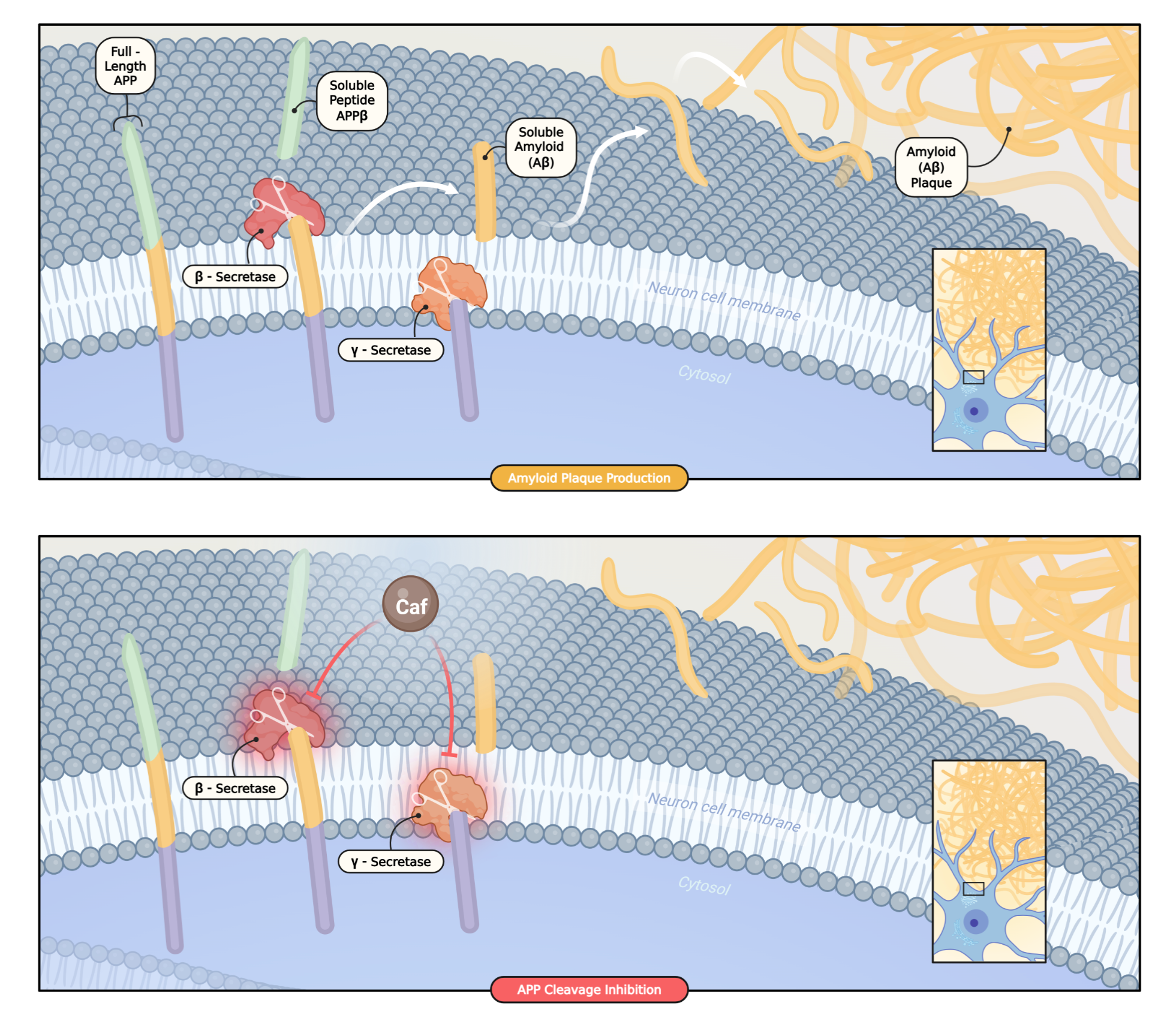
Caffeine also seems to promote the inhibition of GSK3, an enzyme involved in Alzheimer’s disease progression. In simple terms, more GSK3 activity is associated with worse disease progression.
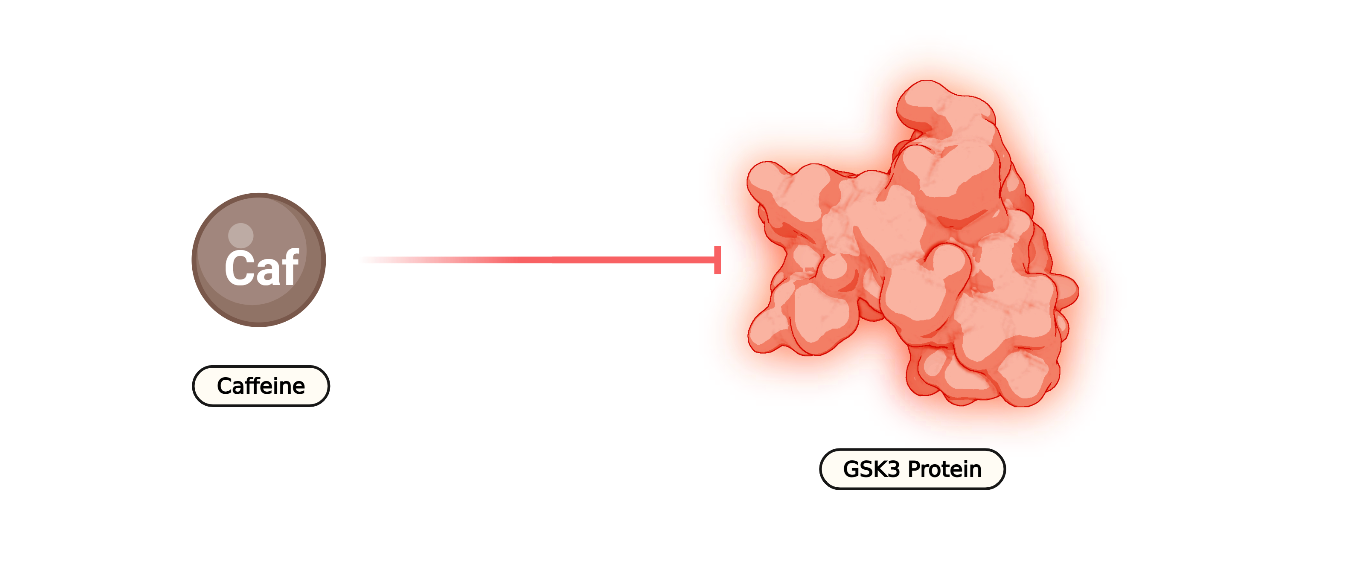
Taken together, coffee reduces the risk of dementia, and there are multiple caffeine-related mechanisms that explain that risk reduction.
Why the Focus Shifts from Coffee to Caffeine
Although the broad finding suggests that coffee reduces dementia risk, the picture becomes more complicated when decaffeinated coffee is examined separately.
In data for decaffeinated coffee, the pattern did not match what was seen for coffee overall. Moderate decaffeinated coffee intake showed some reduction in dementia risk, but higher intake did not show the same protective relationship. In other words, more decaffeinated coffee did not continue the benefit.
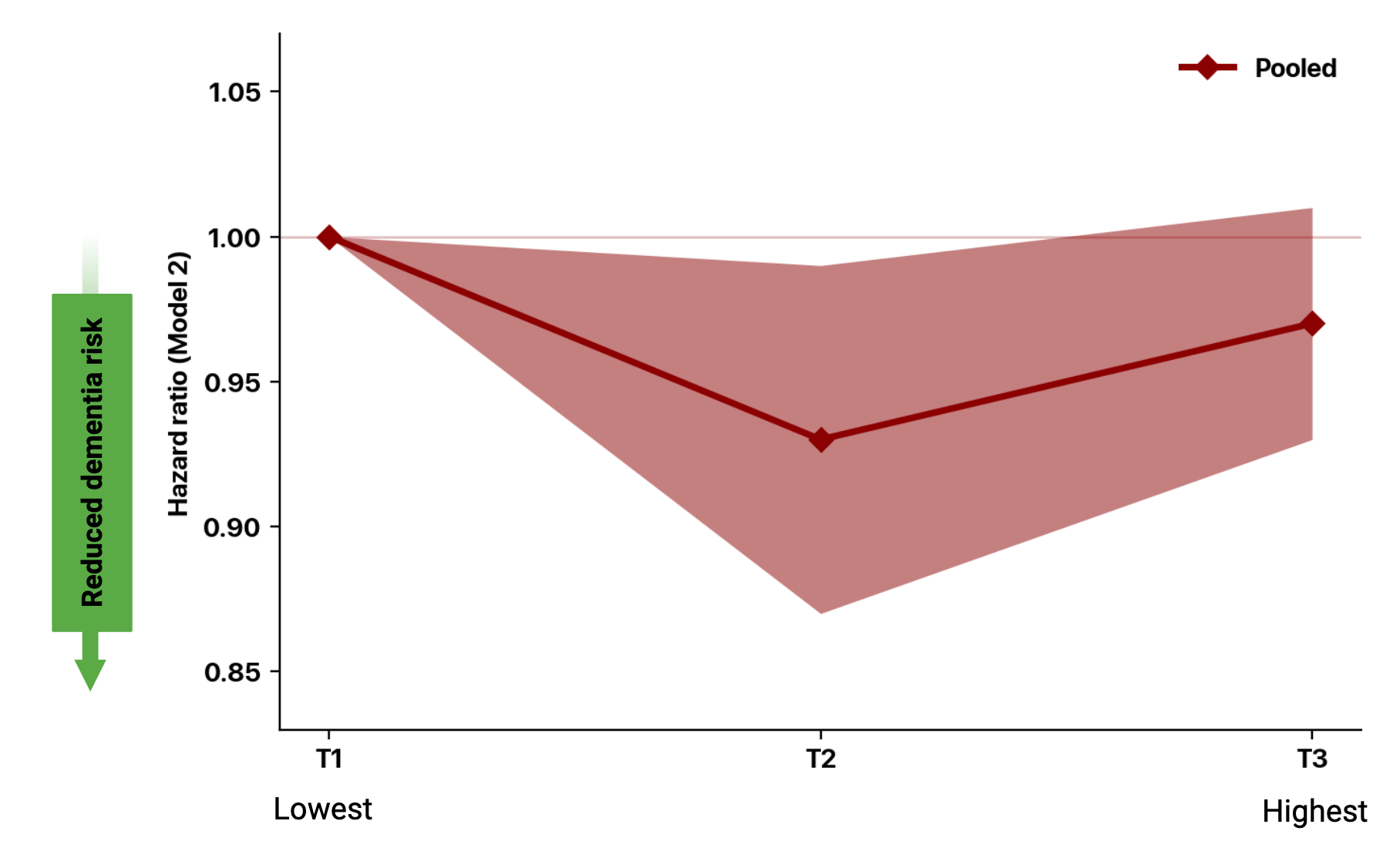
That is where the contradiction appears. Coffee overall seemed to reduce dementia risk, but higher decaffeinated coffee intake did not show the same pattern. This is why the discussion shifts so strongly toward caffeine. The results suggest that caffeine may be responsible for much of the observed benefit rather than coffee as a beverage in general.
Coffee + Sweeteners: Cancelled Benefit?
Coffee on the Risk of Different Types of Dementia
All of these topics are explored in depth in the complete analysis, along with access to a private podcast, live sessions, a growing research library, and practical breakdowns—available exclusively to Physionic Insiders.
The More Troubling Finding on Decaffeinated Coffee
The concern does not end there. When people were asked about their subjective sense of mental performance, decaffeinated coffee again stood out in an uncomfortable way.
In those results, decaffeinated coffee was associated with a greater subjective sense of cognitive decline. In simple terms, people drinking more decaffeinated coffee were more likely to feel that their mental performance was getting worse. By contrast, caffeinated coffee showed either no relationship with cognitive impairment or a reduced sense of impairment.
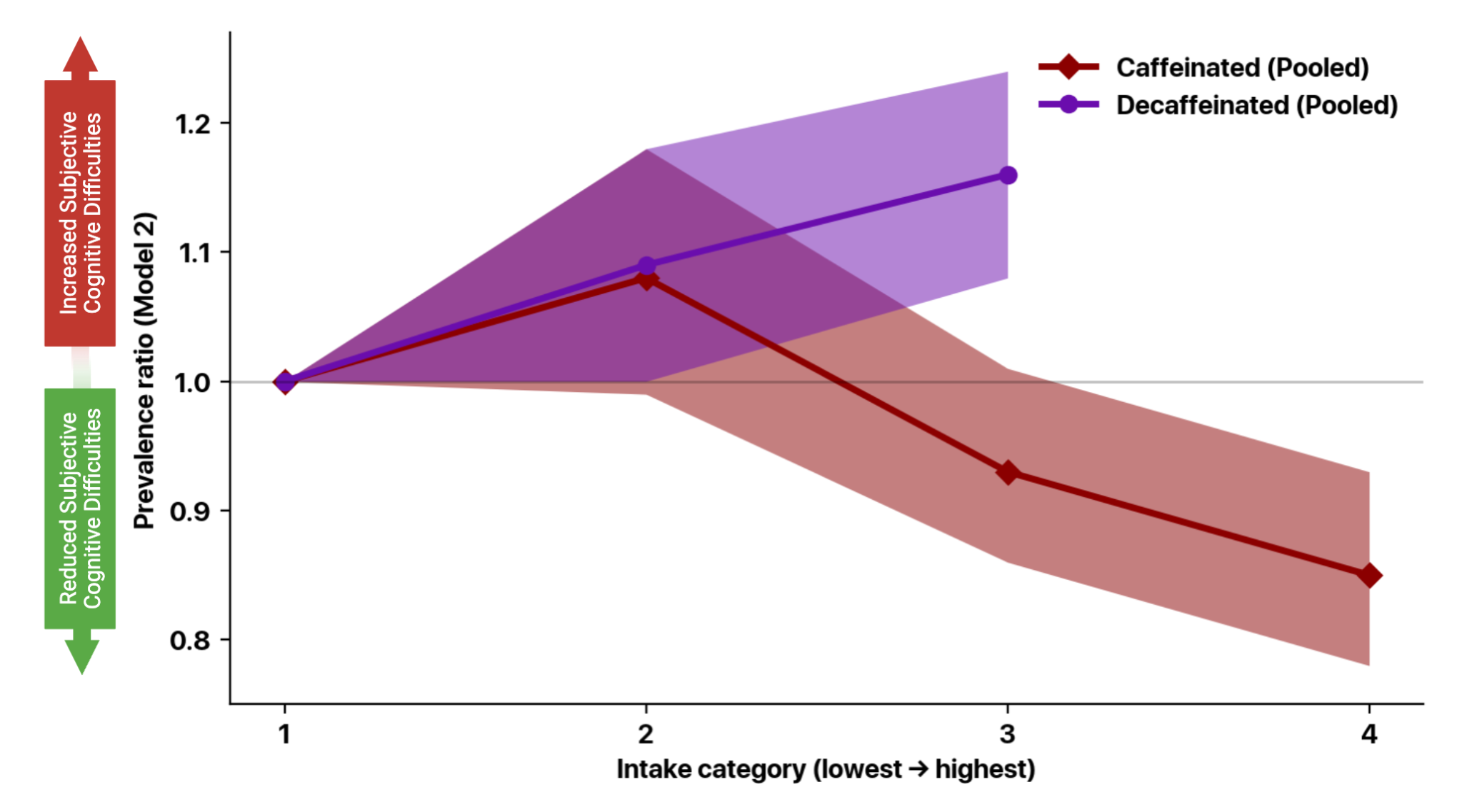
Some of the same trends also appeared in objective measures of cognitive function, although the findings were not consistent across every measure.
How These Findings Might Be Interpreted
The researchers argued that these concerning results for decaffeinated coffee may reflect confounding. Confounding means that another factor may be influencing the outcome. For example, people choosing decaffeinated coffee may have caffeine intolerance or underlying health concerns that also make cognitive decline more likely.
That explanation is possible, but it remains uncertain. The researchers performed robust statistical adjustments and still found the association. So while confounding may explain some of the results, it does not fully settle the issue, in my mind.
This study is not the only one to find a striking difference between caffeinated and decaffeinated coffee. Another very large, though somewhat less robust, analysis [641] found a similar separation. That study did not suggest that decaffeinated coffee was harmful, but it did support the idea that caffeinated coffee has unique benefits that were not seen with decaffeinated coffee.
There are no currently long-term randomized controlled trials directly comparing caffeinated and decaffeinated coffee on cognitive outcomes. There are a few smaller short-term trials, and they appear to support the possibility that caffeinated coffee offers stronger benefits. Even so, those studies generally do not suggest that decaffeinated coffee causes worse outcomes.
Taken together, the evidence suggests that caffeinated coffee has a robust protective relationship with dementia risk. On average, the data point to about an 18% lower risk, with the clearest benefit appearing up to around 3 cups per day.
Decaffeinated coffee is much less clear. It does not show the same consistent protective pattern, and in some analyses, it is associated with a stronger subjective sense of cognitive decline. That does not necessarily mean decaffeinated coffee should be viewed as harmful. A more cautious interpretation is that the evidence leans closer to no meaningful effect, while caffeinated coffee may offer a unique benefit for people who tolerate it.
Main Points
Coffee intake was associated with a lower risk of dementia, with the clearest benefit appearing up to about 3 cups (240ml per cup) per day. The most likely explanation is caffeine, which can alter adenosine signaling, reduce inflammatory activity in the brain, suppress enzymes involved in beta-amyloid production, and inhibit GSK3, an enzyme linked to Alzheimer’s disease progression. Decaffeinated coffee did not show the same consistent protective pattern and, in some analyses, was associated with a greater subjective sense of cognitive decline. That does not prove it is harmful, but it does make its role much more uncertain.
Coffee + Sweeteners: Cancelled Benefit?
Coffee and the Risk of Different Types of Dementia
All of these topics are explored in depth in the complete analysis, along with access to a private podcast, live sessions, a growing research library, and practical breakdowns—available exclusively to Physionic Insiders.
Dr. Nicolas Verhoeven, PhD / Physionic
References
[Study 640] Zhang Y, Liu Y, Li Y, Li Y, Gu X, Kang JH, et al. Coffee and tea intake, dementia risk, and cognitive function. JAMA. Published online February 9, 2026. doi:10.1001/jama.2025.27259.
Funding/Conflict: Public Funding: The study was supported by the National Institutes of Health through K99 DK119412 and R00 DK119412 from NIDDK, R01 NR019992 from NINR, and RF1 AG083764 from NIA; Non-Profit Funding: From the study, no non-profit funding was reported; Industry Funding: No industry funding for the study itself was reported; Conflicts of Interest: From the study, Dr Hu reported receiving research support from the Analysis Group, and no other disclosures were reported.
[Study 641] Zhang T, Song J, Shen Z, Yin K, Yang F, Yang H, Ma Z, Chen L, Lu Y, Xia Y. Associations between different coffee types, neurodegenerative diseases, and related mortality: findings from a large prospective cohort study. Am J Clin Nutr. 2024;120:918-926. doi:10.1016/j.ajcnut.2024.08.012
Funding/Conflict: The study was supported by the LiaoNing Revitalization Talents Program (grant XLYC2203168 to YX), the Young Elite Scientists Sponsorship Program by the China Association for Science and Technology (grant YESS20200151 to YX), the 345 Talent Project of Shengjing Hospital of China Medical University (grant M0294 to YX), the Scientific Research Project of the Liaoning Province Education Department (grant LJKMZ20221149 to YX), the National Natural Science Foundation of China (grant 82473618 to YL), the National Key Research and Development Program of China (grant 2022YFA1103600 to YL), the Natural Science Major Project of the Anhui Provincial Department of Education (grant 2022AH051233 to TZ), the Youth Key Talents Program of Wannan Medical College (grant WK202211 to TZ), and the Doctoral Research Grant Fund of Wannan Medical College (grant WYRCQD2022008 to TZ); Non-Profit Funding: none reported; Industry Funding: none reported; Conflicts of Interest: the authors reported no conflicts of interest.
Interesting. I’ve had to reduce my caffeine intake apparently because I have a slow COMT gene. See Dr Ben Lynch on YT wired or tired. Would love to hear your take.