
The Hidden Seed Oil Study that was Supposed to Change Everything

What if a major study from the 1960s showing seed oils (omega-6 fats) increased cardiovascular mortality had been buried for decades—hidden from public view until recently unearthed? That’s a narrative pushed by several anti-seed oil advocates, who claim this trial offers undeniable proof that seed oils are harming our health. The claim centers around the Sydney Diet Heart Study, a randomized controlled trial [477][478] whose data was later re-analyzed, suggesting increased mortality when saturated fat was replaced with polyunsaturated fats, like those found in seed oils.
Let’s break down what this study actually found, how valid the results are, and whether the supposed suppression of data has any merit—or is just another nutritional conspiracy theory.
The Study That Sparked It All
The Sydney Diet Heart Study, conducted in the 1960s, randomized participants to either continue their usual diet high in saturated fat or to switch to a diet rich in polyunsaturated fats—primarily omega-6 fats from safflower oil and margarine. The re-analysis of this study [478], published decades later, made headlines for its striking findings: replacing saturated fat with seed oils was associated with a 62% increase in all-cause mortality.
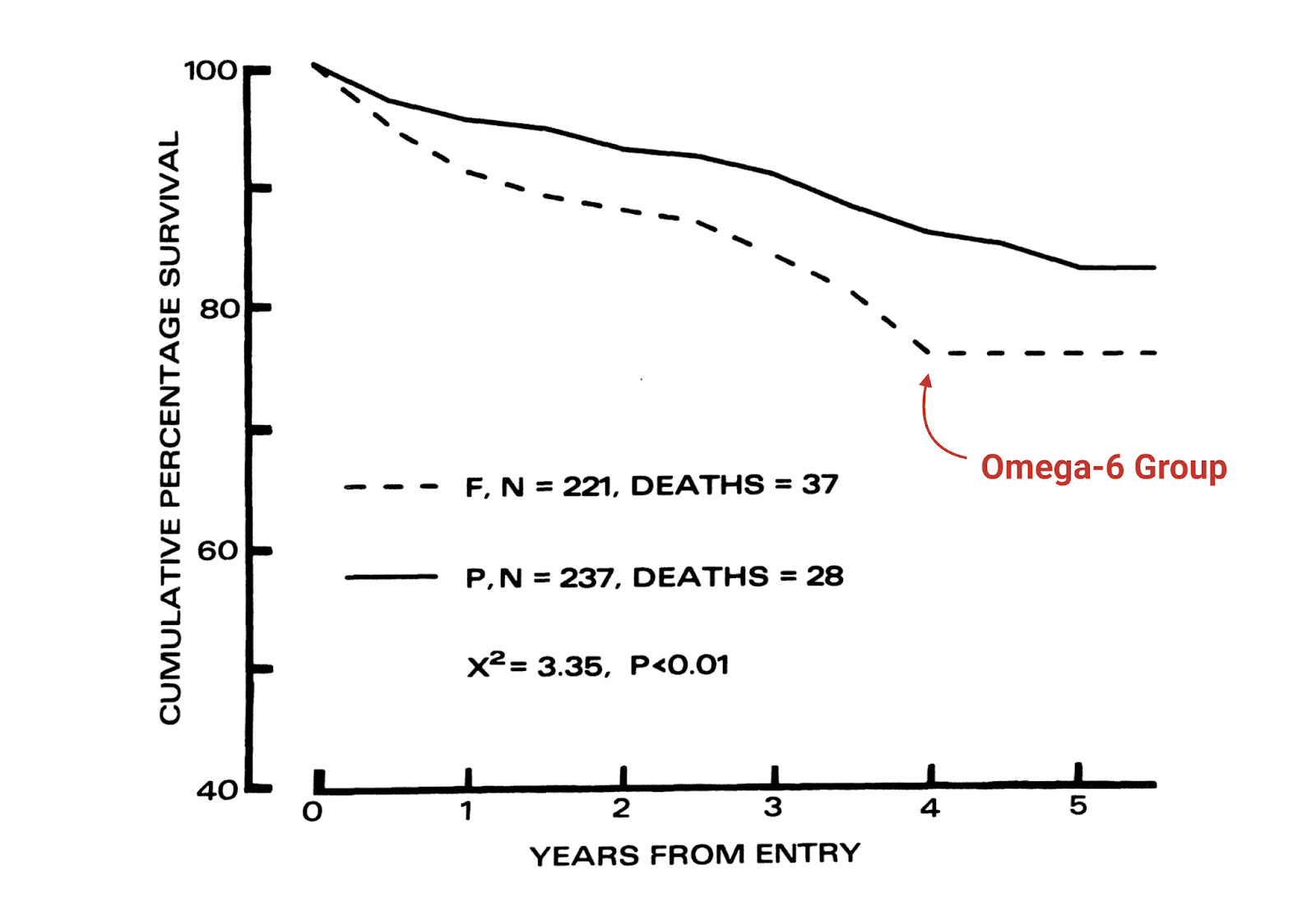
Looking at the survival data, the seed oil group (dotted line) showed a significantly lower survival rate over five years compared to the saturated fat group (solid line). In the follow-up analysis, researchers teased out cardiovascular-specific events, and the data showed a 70% increase in cardiovascular disease incidence in the seed oil group.
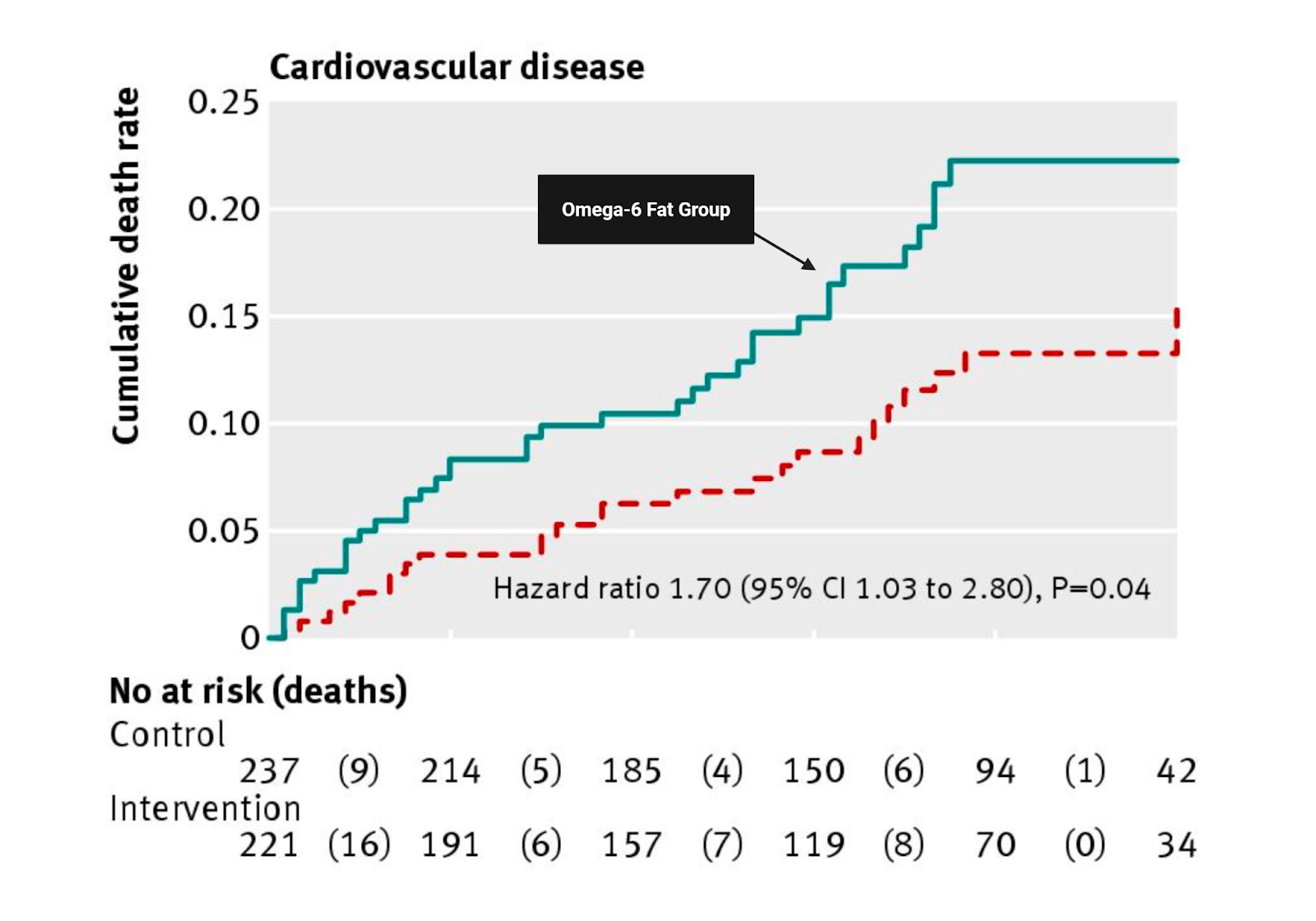
Those results are undeniably alarming at face value. But when we dig deeper, the narrative gets more complicated.
Was the Study Actually Buried?
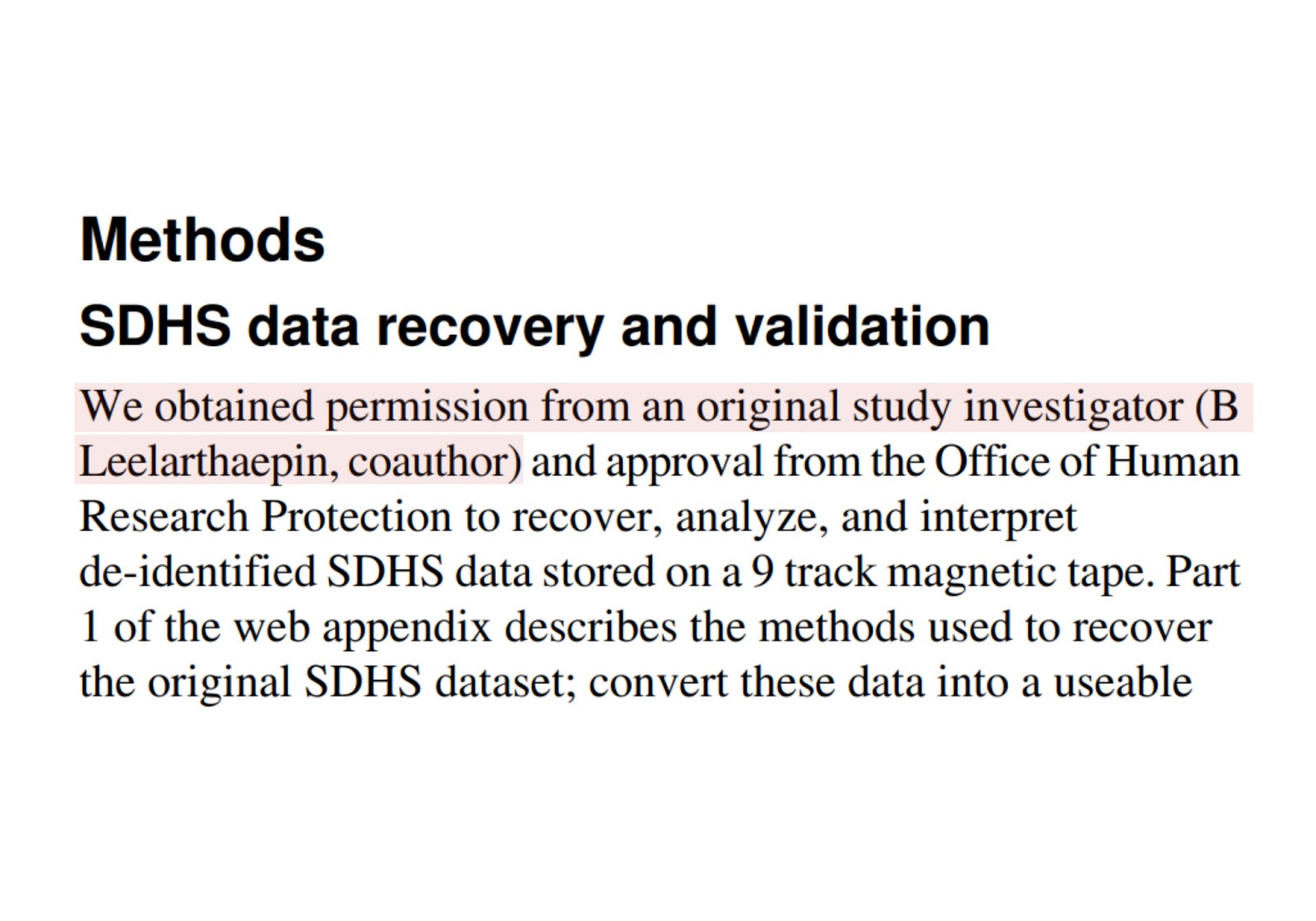
Despite frequent claims that the Sydney study was "buried" or "hidden," this isn’t accurate. The original trial was published decades ago. The more recent re-analysis simply requested access to the raw data from one of the original authors—hardly a secretive basement rescue mission. The notion of a grand cover-up collapses under its own drama.
In reality, the study was simply underappreciated for years, likely due to the complex and somewhat contradictory nature of its findings.
The Trans Fat Factor
A major criticism of the study is the inclusion of margarine in the intervention group—specifically, whether it contained trans fats, which we now know are a potent risk factor for cardiovascular disease.
Anti-seed oil advocates argue that participants were directed to use Miracle brand margarine, which supposedly didn’t contain trans fats. They claim this invalidates critiques based on trans fat content. However, historical records from Sydney University researchers suggest otherwise: Miracle brand likely did contain trans fats, estimated at around 15% of the product.
Furthermore, the intervention group was instructed to reduce saturated fat to less than 10% of their calories and increase polyunsaturated fat to at least 15%. This naturally led to higher margarine consumption—and likely, higher trans fat intake. Although the control group could also use margarine, they weren’t encouraged to, nor was their intake monitored or emphasized. So, the seed oil group likely consumed more trans fats overall, muddying the interpretation of omega-6 fats as the culprit.
Other Study Limitations
Trans fats aren't the only issue. The Sydney study suffers from several serious design flaws:
Dietary overlap: Both groups consumed margarine, minimizing the contrast in fat types between them.
Poor statistical power: The study lacked enough participants to detect robust dietary effects.
Confounding variables: The original researchers found that mortality correlated more strongly with baseline cardiovascular disease, diabetes, ECG abnormalities, and digitalis use than with diet.
Over-adjustment in analysis: Some statistical models may have over-corrected for variables, obscuring any real effect of the dietary intervention.
The Re-Analysis: Still Flawed
The 2013 re-analysis gave new life to the Sydney data, but it too was flawed. Although it adjusted for some variables, it did not account for critical predictors of mortality identified in the original study—like physical activity, which was a strong predictor of survival. As such, conclusions drawn from this re-analysis, while thought-provoking, cannot be taken as definitive evidence against seed oils.
The Bottom Line
This entire saga—of hidden data, shocking mortality risks, and misleading claims—serves as a cautionary tale in nutrition science. The Sydney Diet Heart Study was real. The re-analysis was real. But so were the methodological flaws, dietary confounds, and misinterpretations.
Instead of drawing sweeping conclusions from a single flawed dataset, it’s essential to consider the totality of evidence, including higher-quality randomized controlled trials and meta-analyses that adjust for modern dietary patterns, trans fat content, and robust confounding variables.
Main Points
The Sydney Diet Heart Study and its 2013 re-analysis claimed increased mortality from seed oil consumption, but the original data was never buried—it was published decades ago and later re-examined. Although the re-analysis found higher cardiovascular risk with increased omega-6 intake, the study suffered from multiple flaws, including trans fat confounding, poor statistical power, and failure to adjust for key mortality predictors like physical activity. Both the original trial and its re-analysis provide interesting historical data, but are insufficient grounds to condemn seed oils; more rigorous and contemporary studies are needed to guide dietary recommendations - these are coming in the next article, stay tuned.
What is in the Full Article and Video?
A deeper dive into the Sydney Heart Trial
Access through the Physionic Insiders:
References
[Study 475] Woodhill JM, Palmer AJ, Leelarthaepin B, McGilchrist C, Blacket RB. Low fat, low cholesterol diet in secondary prevention of coronary heart disease. In: Kritchevsky D, ed. Drugs, Lipid Metabolism, and Atherosclerosis. New York, NY: Plenum Press; 1978:317-330.
Funding/Conflicts: Internal Funding [Department of Medicine, University of New South Wales, at Prince Henry Hospital, Little Bay, Australia] // No direct Conflicts of Interest
[Study 476] Ramsden CE, Zamora D, Leelarthaepin B, et al. Use of dietary linoleic acid for secondary prevention of coronary heart disease and death: evaluation of recovered data from the Sydney Diet Heart Study and updated meta-analysis. BMJ. 2013;346:e8707. doi:10.1136/bmj.e8707.
Funding/Conflicts: Public Funding [Intramural Research Program of the National Institutes of Health (NIH), National Institute on Alcohol Abuse and Alcoholism (NIAAA); National Institute on Aging (NIA)] / No direct Conflicts of Interest