
The Surprisingly Disappointing Findings around Blueberries

Main Points
Higher anthocyanin intake is linked with reduced cardiovascular disease risk in multiple long-term studies. The evidence is observational and not perfect, but the overall pattern is favorable.
Blueberries improve flow-mediated dilation in randomized controlled trials, which suggests a benefit for blood vessel function. However, blueberry consumption does not clearly relate to reduced cardiovascular disease mortality once more factors are accounted for.
Blueberry consumption also does not appear to meaningfully improve blood pressure, insulin resistance, or blood lipids across the reviewed trials.
Dose may matter. One cup (150 grams) of blueberries per day appears more likely to raise blueberry-associated metabolites in the blood than half a cup per day.
The strongest takeaway is not that blueberries are useless or uniquely powerful. It is that anthocyanin intake may matter more than blueberries specifically, and blueberries likely provide only a small cardiovascular benefit unless consumed in a meaningful amount.
Blueberries are often discussed in relation to cardiovascular health because they contain anthocyanins, along with flavanols, phenolic acids, and other antioxidant compounds. Among these, anthocyanins receive particular attention because they have been linked with lower cardiovascular disease risk in large observational studies.
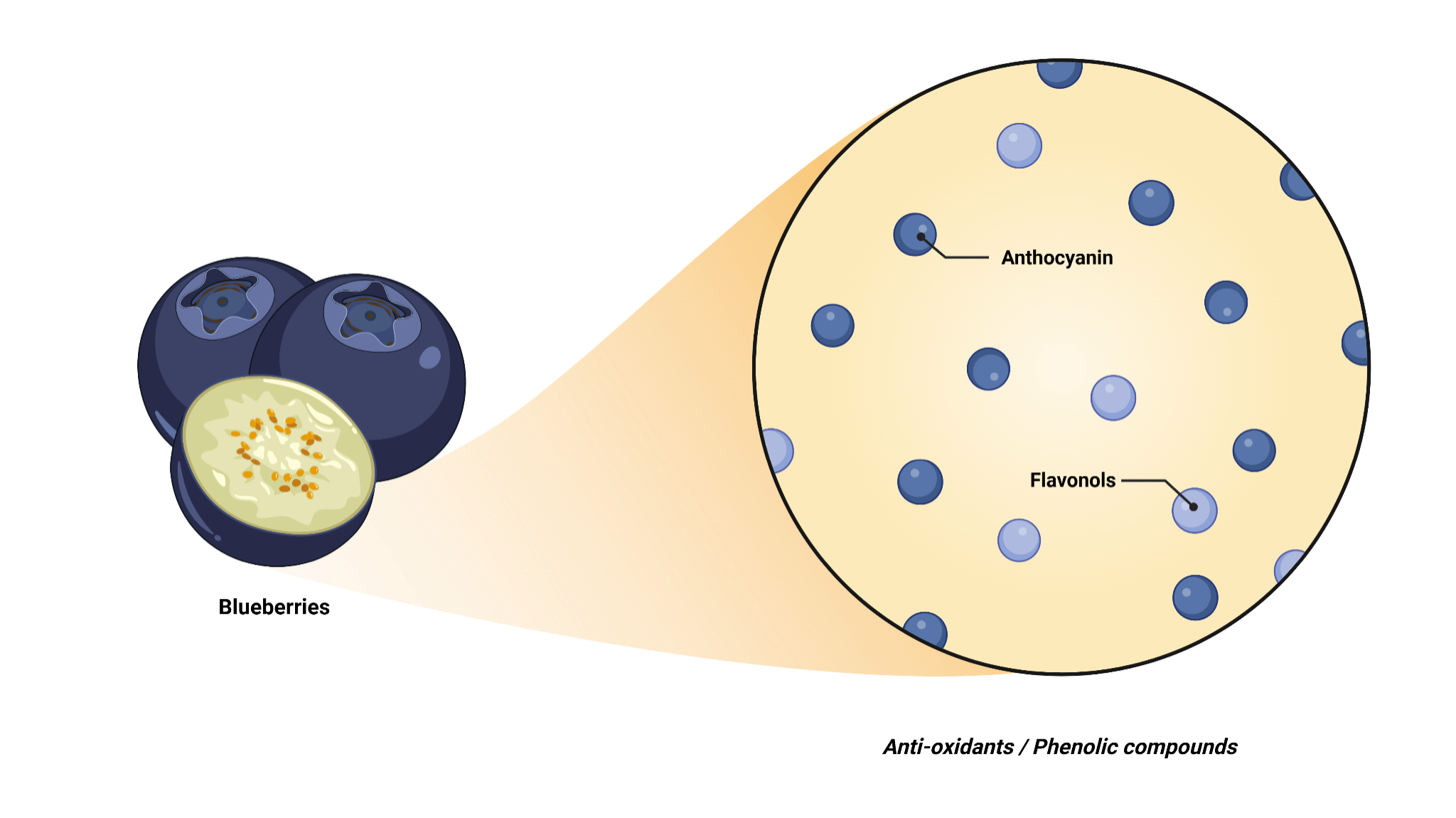
The important question is whether the apparent benefit of anthocyanins also applies directly to blueberries. Blueberries contain anthocyanins, but the evidence for blueberries themselves is more complicated.
Anthocyanins and Cardiovascular Risk
Two large studies [849, 850] involving tens of thousands of participants examined the relationship between anthocyanin intake and different forms of cardiovascular disease, including heart attack, stroke, and cardiovascular mortality.
The heart attack data are not perfectly clean, but there appears to be a trend in which higher anthocyanin intake is associated with lower heart attack risk.
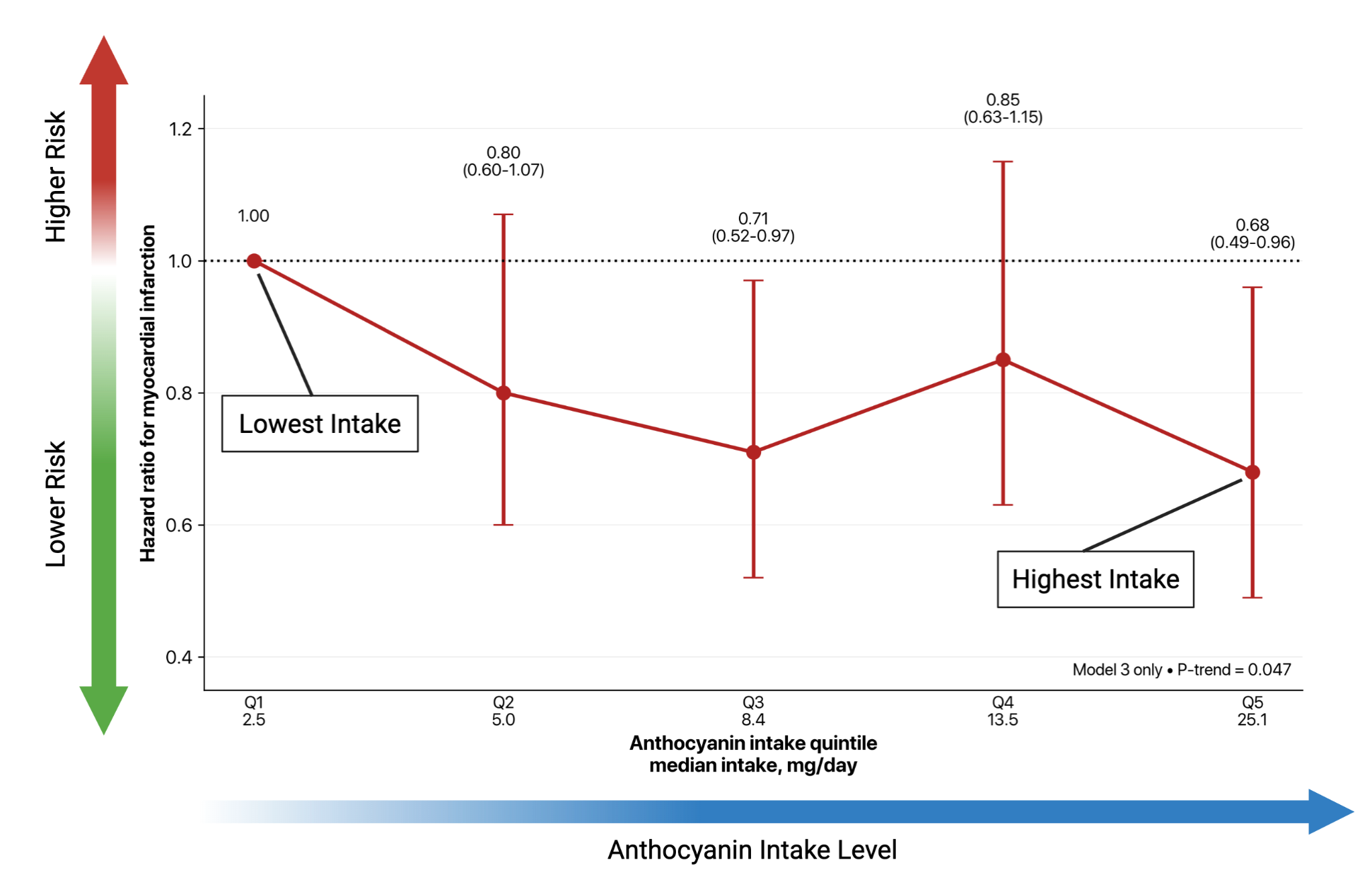
The researchers accounted for many factors, including age, physical activity, smoking, body mass index, alcohol intake, total energy intake, menopausal status, hormone use, aspirin use, oral contraceptive use, family history of myocardial infarction, cereal fiber, several types of dietary fat, and caffeine.
A secondary analysis also included fruit and vegetable intake, and the relationship was still maintained. That strengthens the possibility that anthocyanins themselves may be protective, although there is still room for error when trying to isolate the effect of one molecule from observational data.
The data we just went over was specific to heart attacks in women, but the same is also true when looking at overall cardiovascular mortality [850].
Why Anthocyanins Get Attention
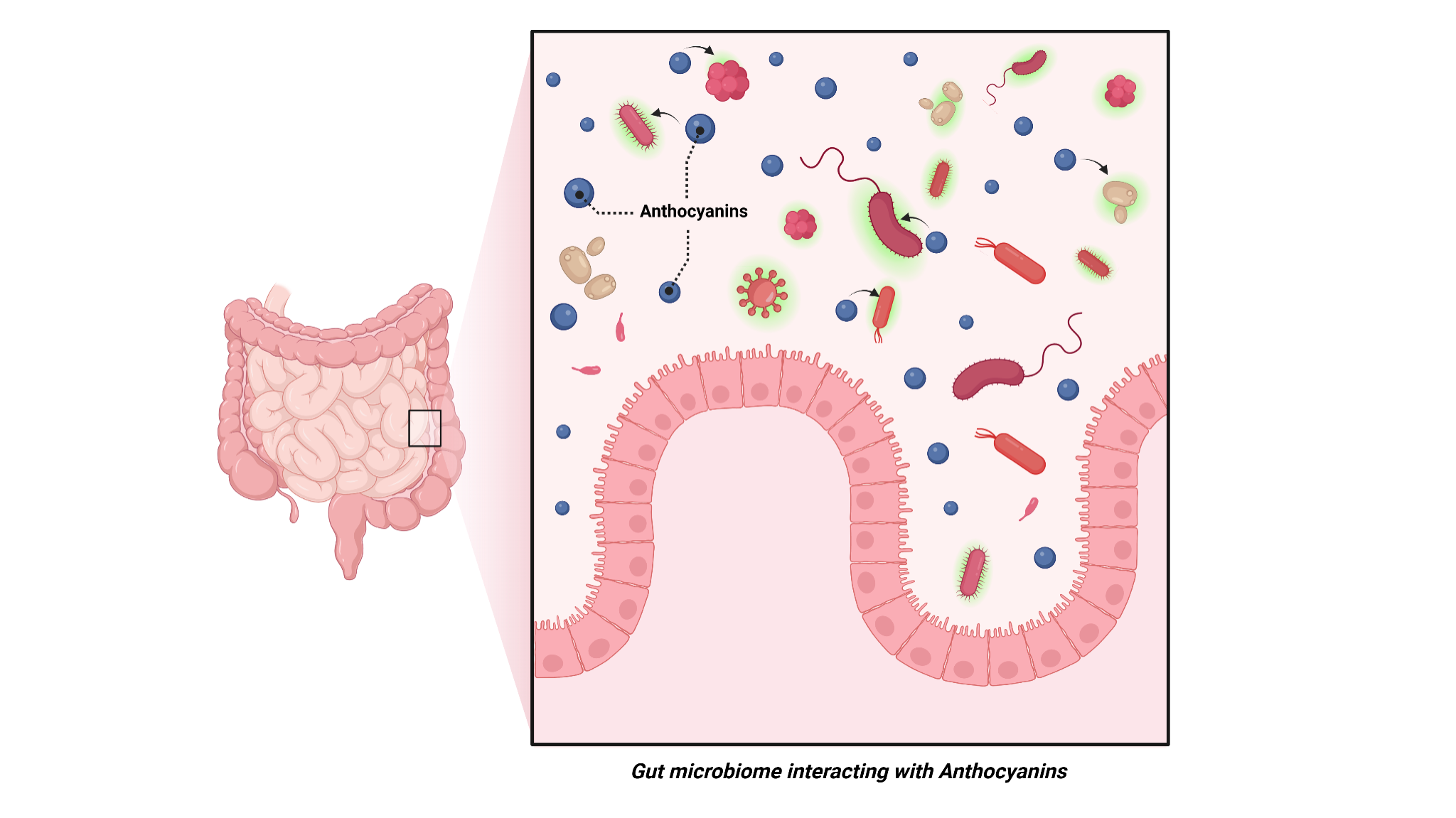
Anthocyanins may directly affect cells and may also influence the microbiome in a direction associated with better health.
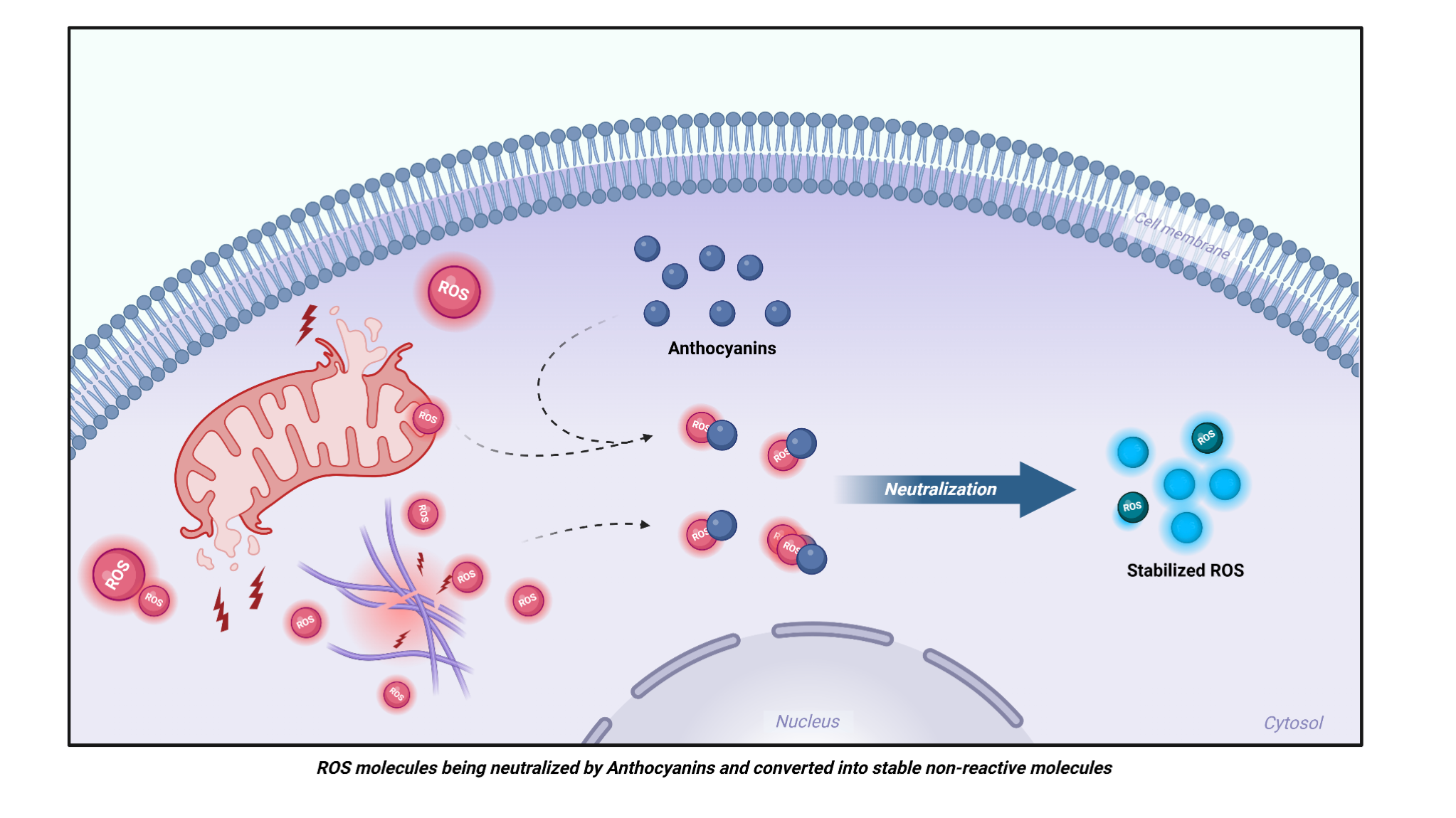
They are also recognized as antioxidants, separate from the other antioxidant compounds found in many anthocyanin-containing foods.
This is why blueberries attract so much attention. They contain a high amount of anthocyanins, so it would seem reasonable to assume that eating more blueberries would produce the same cardiovascular benefits associated with higher anthocyanin intake.
The evidence from direct blueberry trials, however, is mixed.
Blueberries on Subgroups (Age, Weight, Diabetes, etc.)
Blueberries on LDL Damage
NADPH Enzyme in Cells vs Blueberries
Most Effective Anthocyanin Doses
All of these topics are explored in depth in the complete analysis, along with access to a private podcast, live sessions, a growing research library, and practical breakdowns—available exclusively to Physionic Insiders.
Blueberries and Blood Vessel Function
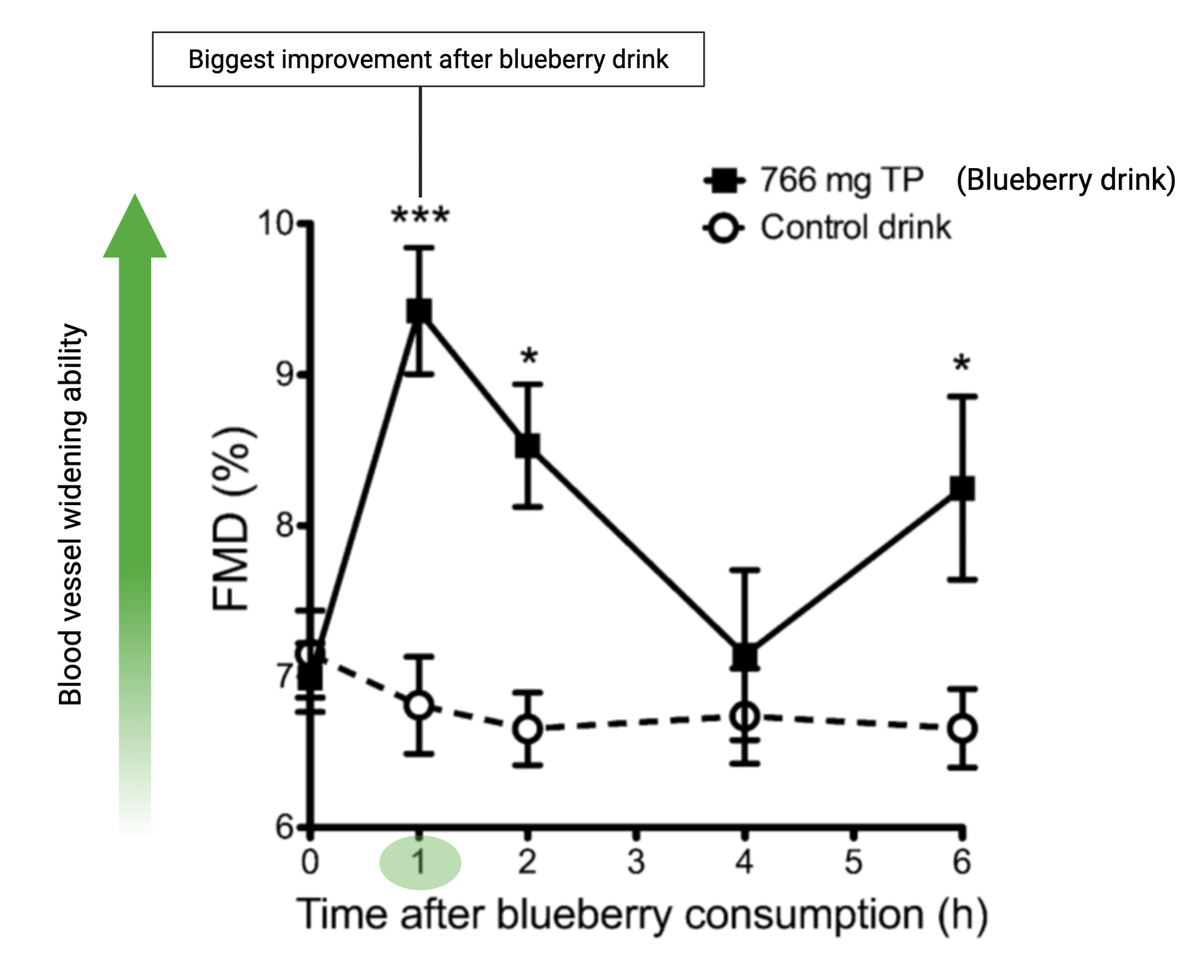
Randomized controlled trials [852-854, 856] have tested blueberry consumption more directly by instructing people to consume blueberries or a control product. Across several trials, blueberry consumption reliably improved flow-mediated dilation.
Flow-mediated dilation measures how well blood vessels relax and widen. Blood vessels need to constrict and relax appropriately to help regulate blood flow and blood pressure. Poor flow-mediated dilation can be a sign of poor cardiovascular health.
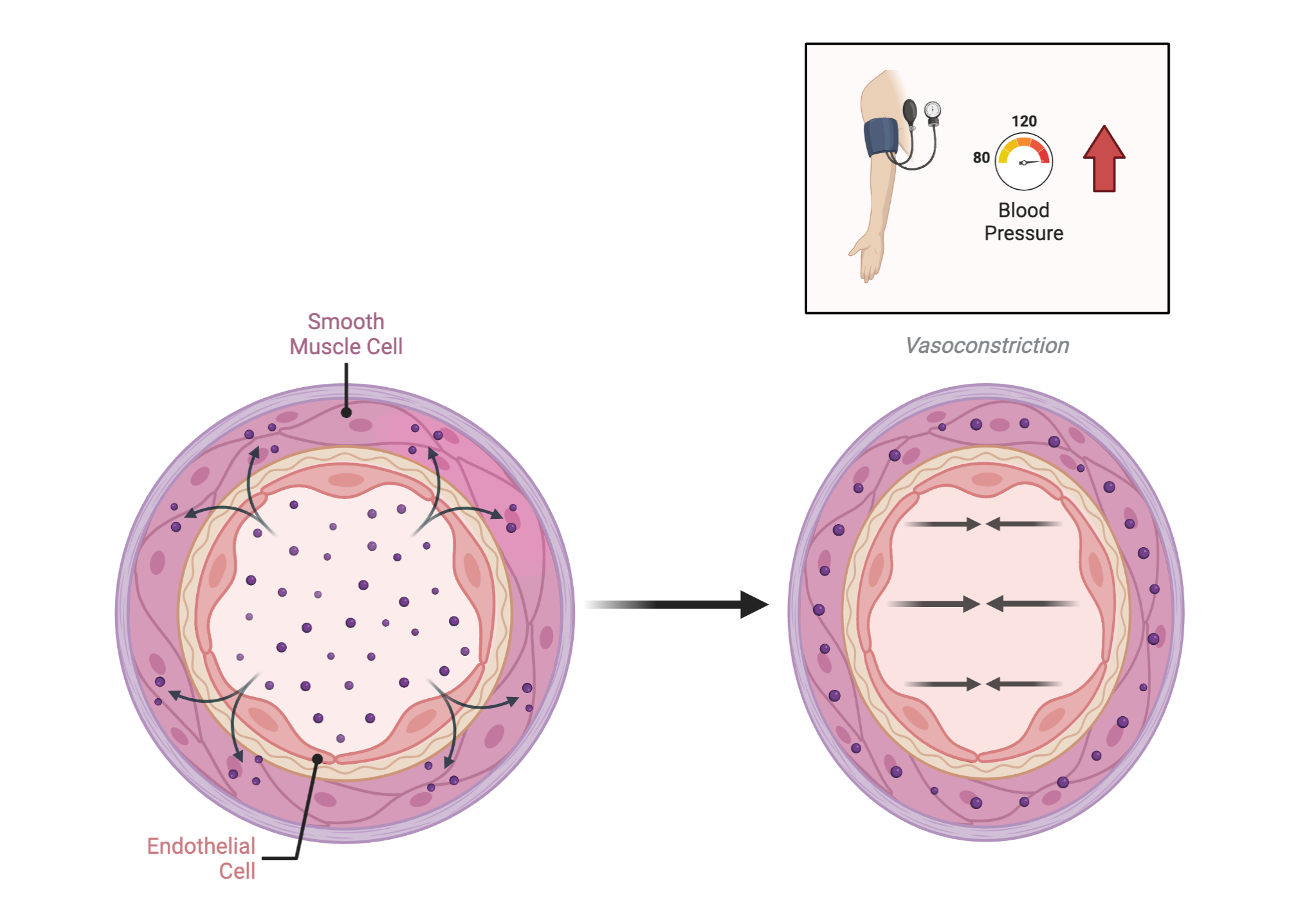
In these trials, blueberry consumption improved flow-mediated dilation compared with a non-blueberry control. That is an encouraging finding because blood vessel function is closely related to cardiovascular health.
Based on the anthocyanin evidence, the short summary is that multiple long-term studies link higher anthocyanin intake with reduced cardiovascular disease risk.
The Problem with Blueberries and Cardiovascular Mortality
When the focus shifts from anthocyanins to blueberries specifically, the long-term cardiovascular data become less convincing.
In one analysis [849, 850], blueberry consumption appeared to be associated with reduced cardiovascular disease mortality when only age and total energy intake were adjusted for. But once more factors were included in the multivariate adjustment (including more potential factors influencing the relationship), the relationship disappeared.
That suggests higher blueberry consumption does not clearly relate to reduced cardiovascular disease mortality.
This is counterintuitive because blueberries are rich in anthocyanins and can improve flow-mediated dilation in controlled trials. However, there are several possible explanations.
One methodological issue is that some long-term data compare no blueberry consumption with some amount of blueberry consumption without clearly specifying how much more people were eating. The comparison group may have been consuming blueberries only once per week, which may not be enough to produce a meaningful effect.
Across the randomized controlled trials [852-854, 856, 857] reviewed, blueberry consumption did not appear to meaningfully improve blood pressure, insulin resistance, or blood lipids [854, 855, 857], including cholesterol-containing lipoproteins.
Dose May Explain Some of the Confusion
Blueberries have a relatively modest argument in their favor when it comes to cardiovascular disease. Anthocyanins appear more consistently linked with reduced cardiovascular disease risk than blueberries themselves.
One reason may be dose.
In a randomized trial [852] comparing placebo, half a cup of blueberries per day, and one cup of blueberries per day, blood metabolite levels were similar at the start. After six months, only the one-cup-per-day blueberry group showed a meaningful rise in blueberry-associated metabolites in the blood.
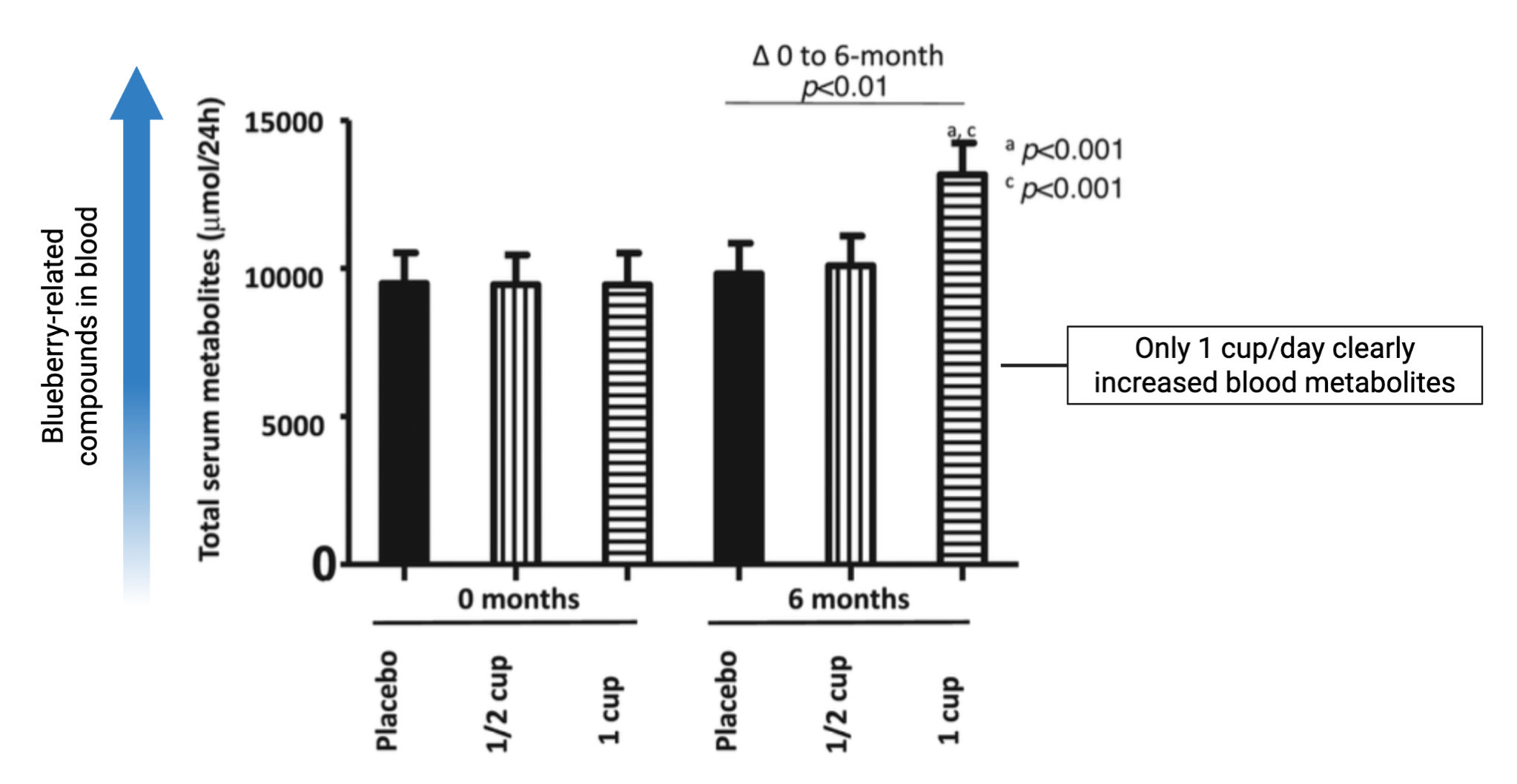
This matters because blueberry trials use different amounts of blueberries for different lengths of time, while long-term observational studies may measure blueberry intake poorly, sometimes weekly rather than daily. It remains possible that many studies do not compare no blueberry intake with a truly meaningful intake.
Based on the available evidence, blueberries may provide a small cardiovascular benefit. However, the benefit appears very small and does not consistently show up in many clinical markers at the doses used in studies. More consistent benefits would likely require at least one serving per day, around 150 grams.
Better Focus: Anthocyanin Intake Overall
Other anthocyanin-rich foods include elderberries, chokeberries, black currants, blackberries, red cabbage, and purple sweet potatoes.
The main lesson is to aim for general anthocyanin consumption rather than focusing only on blueberries, based on the current evidence. Anthocyanins may be protective, but they should not be treated as the first line of defense against cardiovascular disease.
Main Points
Higher anthocyanin intake is linked with reduced cardiovascular disease risk in multiple long-term studies. The evidence is observational and not perfect, but the overall pattern is favorable.
Blueberries improve flow-mediated dilation in randomized controlled trials, which suggests a benefit for blood vessel function. However, blueberry consumption does not clearly relate to reduced cardiovascular disease mortality once more factors are accounted for.
Blueberry consumption also does not appear to meaningfully improve blood pressure, insulin resistance, or blood lipids across the reviewed trials.
Dose may matter. One cup (150 grams) of blueberries per day appears more likely to raise blueberry-associated metabolites in the blood than half a cup per day.
The strongest takeaway is not that blueberries are useless or uniquely powerful. It is that anthocyanin intake may matter more than blueberries specifically, and blueberries likely provide only a small cardiovascular benefit unless consumed in a meaningful amount.
Blueberries on Subgroups (Age, Weight, Diabetes, etc.)
Blueberries on LDL Damage
NADPH Enzyme in Cells vs Blueberries
Most Effective Anthocyanin Doses
All of these topics are explored in depth in the complete analysis, along with access to a private podcast, live sessions, a growing research library, and practical breakdowns—available exclusively to Physionic Insiders.
Dr. Nicolas Verhoeven, PhD / Physionic
References
[Study 849] Cassidy A, Mukamal KJ, Liu L, et al. High anthocyanin intake is associated with a reduced risk of myocardial infarction in young and middle-aged women. Circulation. 2013;127(2):188-196. doi:10.1161/CIRCULATIONAHA.112.122408
Funding/Conflicts: Public Funding: From the study, the work was supported by Public Health Service grants NCI CA050385 and HL091874 from the US National Institutes of Health, Department of Health and Human Services; Non-Profit Funding: From the study, no non-profit funding source was reported; Industry Funding: From the study, no industry funding source was reported, and the disclosures statement reported none
[Study 850] Mink PJ, Scrafford CG, Barraj LM, et al. Flavonoid intake and cardiovascular disease mortality: a prospective study in postmenopausal women. Am J Clin Nutr. 2007;85(3):895-909. doi:10.1093/ajcn/85.3.895
Funding/Conflicts: Public Funding: From the study, the Iowa Women’s Health Study was funded by National Cancer Institute grant R01 CA39742; Non-Profit Funding: From the study, the work was supported by the Flavonoids Project Committee of the North American branch of the International Life Sciences Institute; Industry Funding: From the study, ILSI North America’s programs were stated to be supported primarily by industry membership, but no specific industry company funding source was reported, and no separate conflict-of-interest statement was found in the accessible article text.
[Study 851] Bondonno NP, Liu YL, Zheng Y, et al. Change in habitual intakes of flavonoid-rich foods and mortality in US males and females. BMC Med. 2023;21(1):181. Published 2023 May 12. doi:10.1186/s12916-023-02873-z
Funding/Conflicts: Public Funding: From the study, the work was supported by National Institutes of Health grants UM1 CA186107 and U01CA167552; Non-Profit Funding: From the study, no separate non-profit funding source was reported; Industry Funding: From the study, funding was also provided by The US Highbush Blueberry Council with oversight from the USDA, AC and EBR acted as advisors to the USHBC grant committee, all other authors declared no relevant conflicts of interest, and the funders had no role in the study design, data collection, data analysis, data interpretation, or manuscript writing.
[Study 852] Curtis PJ, van der Velpen V, Berends L, et al. Blueberries improve biomarkers of cardiometabolic function in participants with metabolic syndrome—results from a 6-month, double-blind, randomized controlled trial. Am J Clin Nutr. 2019;109(6):1535-1545. doi:10.1093/ajcn/nqy380
Funding/Conflicts: Public Funding: From the study, oversight was provided by the USDA and the Biotechnology and Biological Sciences Research Council in the UK; Non-Profit Funding: From the study, no non-profit funding source was reported; Industry Funding: From the study, the work was supported by the US Highbush Blueberry Council, AC and ERB acted as advisors to the USHBC grant committee, and the funders had no role in study design, data collection, data analysis, data interpretation, or writing of the report.
[Study 853] Stull AJ, Cash KC, Champagne CM, et al. Blueberries improve endothelial function, but not blood pressure, in adults with metabolic syndrome: a randomized, double-blind, placebo-controlled clinical trial. Nutrients. 2015;7(6):4107-4123. Published 2015 May 27. doi:10.3390/nu7064107
Funding/Conflicts: Public Funding: From the study, the work was supported in part by NIH grants K01AT006975, P50AT002776-01, P20-RR021945, 1P30-DK072476, and 1 U54 GM104940; Non-Profit Funding: From the study, no non-profit funding source was reported; Industry Funding: From the study, the work was supported in part by the United States Highbush Blueberry Council, the funders had no role in study design, data collection, analysis, interpretation, report writing, or the decision to submit the article for publication, and the authors declared no conflict of interest.
[Study 854] Woolf EK, Terwoord JD, Litwin NS, et al. Daily blueberry consumption for 12 weeks improves endothelial function in postmenopausal women with above-normal blood pressure through reductions in oxidative stress: a randomized controlled trial. Food Funct. 2023;14(6):2621-2641. Published 2023 Mar 20. doi:10.1039/d3fo00157a
Funding/Conflicts: Public Funding: From the study, the research was funded by the USDA National Institute of Food and Agriculture grant 2020-67017-30833/Project Accession No. 1021875 and the College of Health and Human Sciences at Colorado State University; Non-Profit Funding: From the study, no non-profit funding source was reported; Industry Funding: From the study, the research was funded by the US Highbush Blueberry Council, and the authors declared no conflicts of interest.
[Study 855] Basu A, Du M, Leyva MJ, et al. Blueberries decrease cardiovascular risk factors in obese men and women with metabolic syndrome. J Nutr. 2010;140(9):1582-1587. doi:10.3945/jn.110.124701
Funding/Conflicts: Public Funding: From the study, the work was supported by the University of Oklahoma Health Sciences Center General Clinical Research Center grant M01-RR14467 from the National Center for Research Resources, NIH; Non-Profit Funding: From the study, no non-profit funding source was reported; Industry Funding: From the study, the work was supported by the US Highbush Blueberry Council, freeze-dried blueberries were provided by the US Highbush Blueberry Council, and the authors disclosed no conflicts of interest.
[Study 856] Rodriguez-Mateos A, Rendeiro C, Bergillos-Meca T, et al. Intake and time dependence of blueberry flavonoid-induced improvements in vascular function: a randomized, controlled, double-blind, crossover intervention study with mechanistic insights into biological activity. Am J Clin Nutr. 2013;98(5):1179-1191. doi:10.3945/ajcn.113.066639
Funding/Conflicts: Public Funding: From the study, the work was supported by the Biotechnology and Biological Sciences Research Council grant BB/F008953/1; Non-Profit Funding: From the study, the work was supported by an Alpro Foundation grant; Industry Funding: From the study, no direct industry funding source was reported, the Wild Blueberry Association of North America donated the intervention test materials, and no separate conflict-of-interest statement was found in the accessible article text.
[Study 857] Wang Y, Gallegos JL, Haskell-Ramsay C, Lodge JK. Effects of Blueberry Consumption on Cardiovascular Health in Healthy Adults: A Cross-Over Randomised Controlled Trial. Nutrients. 2022;14(13):2562. Published 2022 Jun 21. doi:10.3390/nu14132562
Funding/Conflicts: Public Funding: From the study, no public funding source was reported; Non-Profit Funding: From the study, no non-profit funding source was reported; Industry Funding: From the study, no industry funding source was reported, the study stated that it received no external funding, and the authors declared no conflict of interest.