
Tomato Products: A Complicated History of Heart Disease Protection

Main Points
Human and animal evidence indicates that lycopene may help reduce arterial plaque. One possible mechanism is a reduction in circulating cholesterol-containing lipoproteins, although the human tomato-juice intervention was short and was not a randomized controlled trial.
Tomato-based interventions may also reduce the oxidation of LDL. Oxidized LDL is more likely to be retained in the arterial wall and contribute to plaque growth.
Many human interventions used tomato foods rather than isolated lycopene. Their findings therefore cannot be attributed entirely to lycopene because tomato products contain several compounds.
Long-term findings for lycopene alone and major cardiovascular outcomes have been underwhelming. The evidence appears more favorable when tomato-based foods are examined as a whole.
Several months ago, we examined lycopene, a molecule found in tomato products, and its potential effects on cardiovascular health.
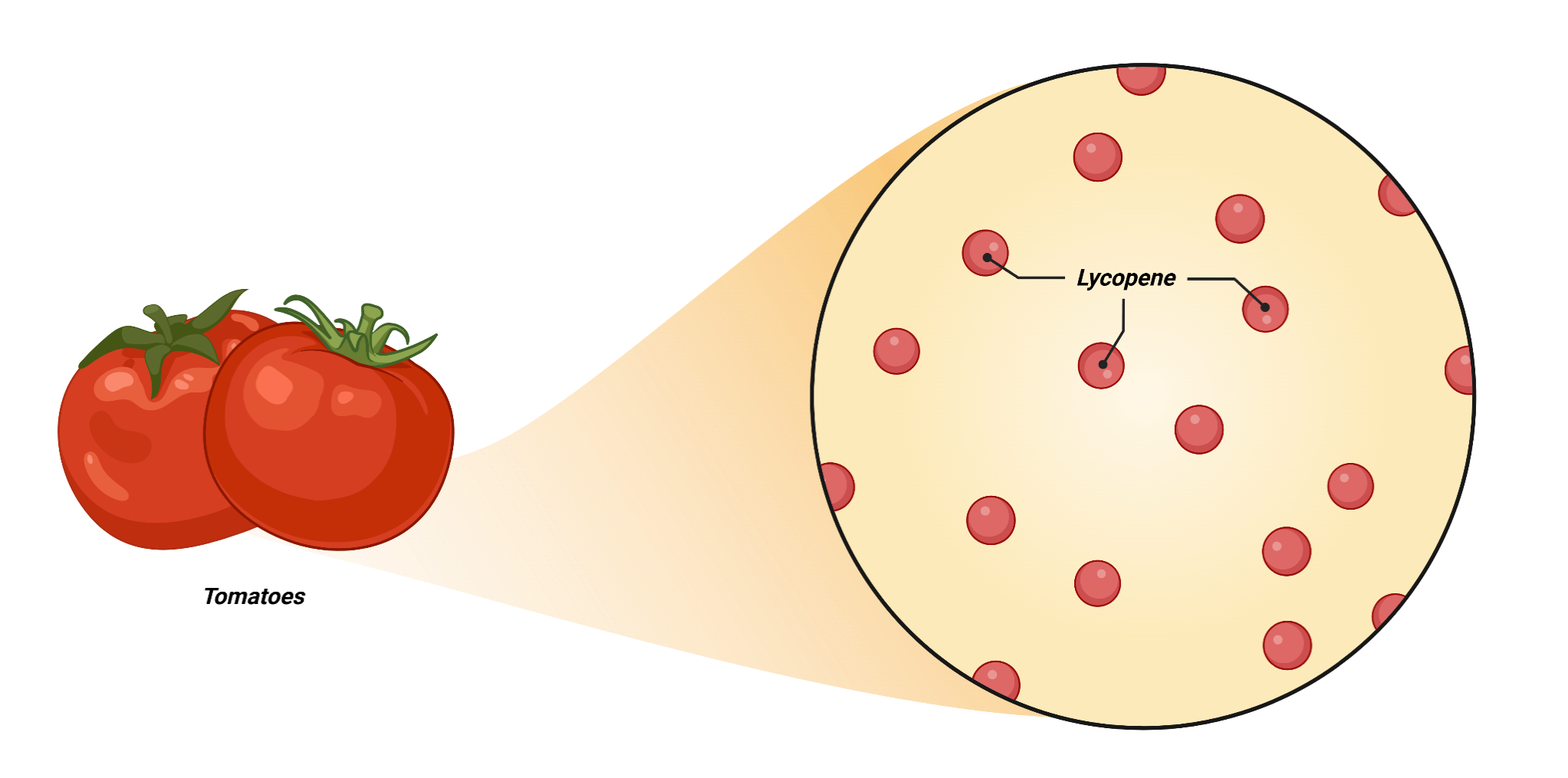
In one randomized, double-blind, placebo-controlled human trial [587], lycopene helped accelerate the reduction of plaque buildup in the arteries.
That finding raises an important question: How can a molecule found in tomatoes produce these effects? It also raises a broader question about whether the focus should remain on lycopene alone or expand to tomato-based foods as a whole.
Lycopene and Arterial Plaque
The human intervention [587] found that lycopene supplementation helped reduce arterial plaque. Animal evidence [876] has produced a similar result, with lycopene-supplemented animals showing less plaque in their arteries.
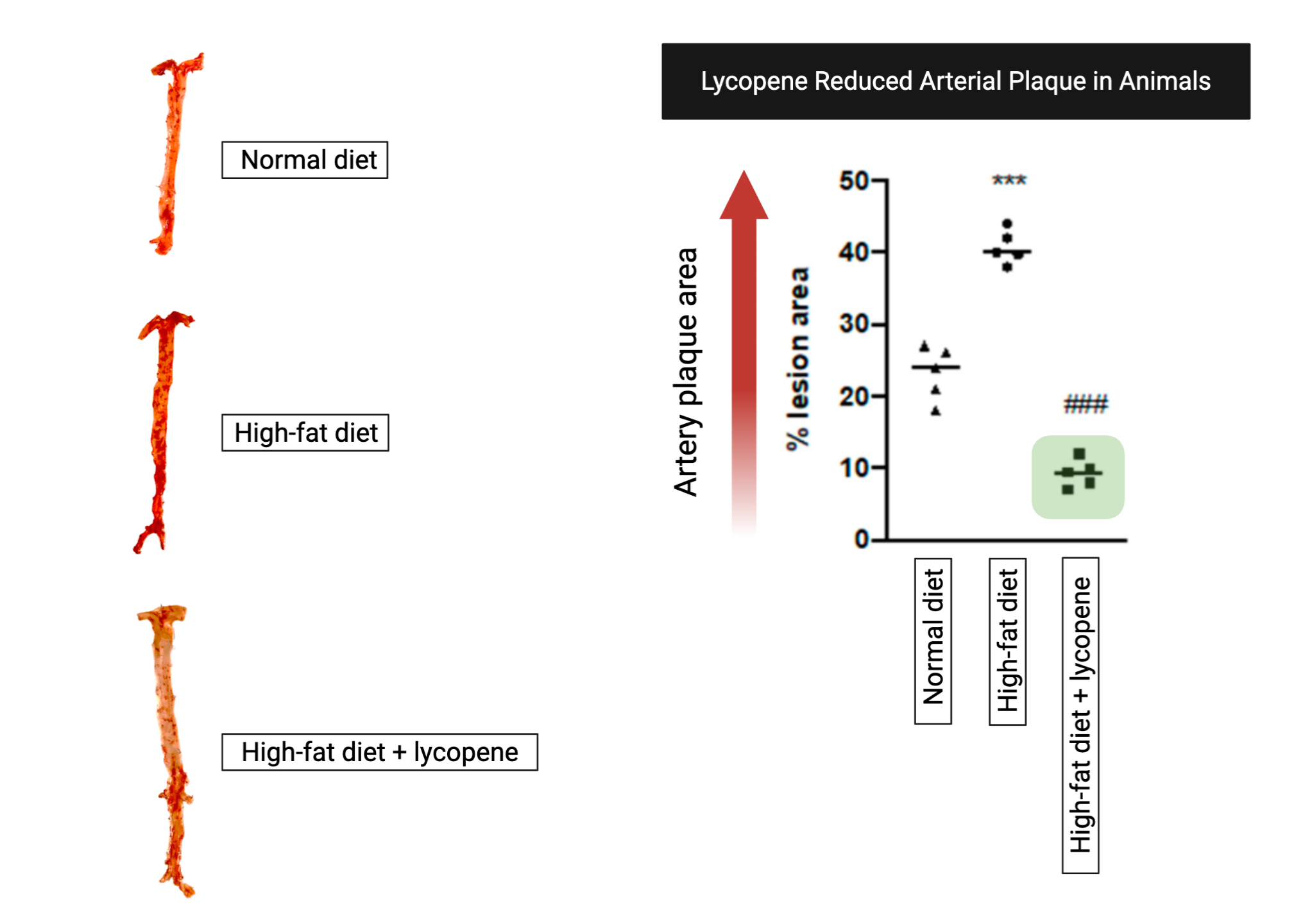
The ability of lycopene to reduce plaque burden provides a foundation for examining the different ways it may support cardiovascular health. These mechanisms may also eventually change how lycopene should be viewed within the broader context of tomato products.
Reducing Cholesterol-Containing Lipoproteins
One possible mechanism involves reducing the concentration of cholesterol-containing lipoproteins in the blood.
In controlled animal research [875], lycopene lowered circulating lipoprotein concentrations.
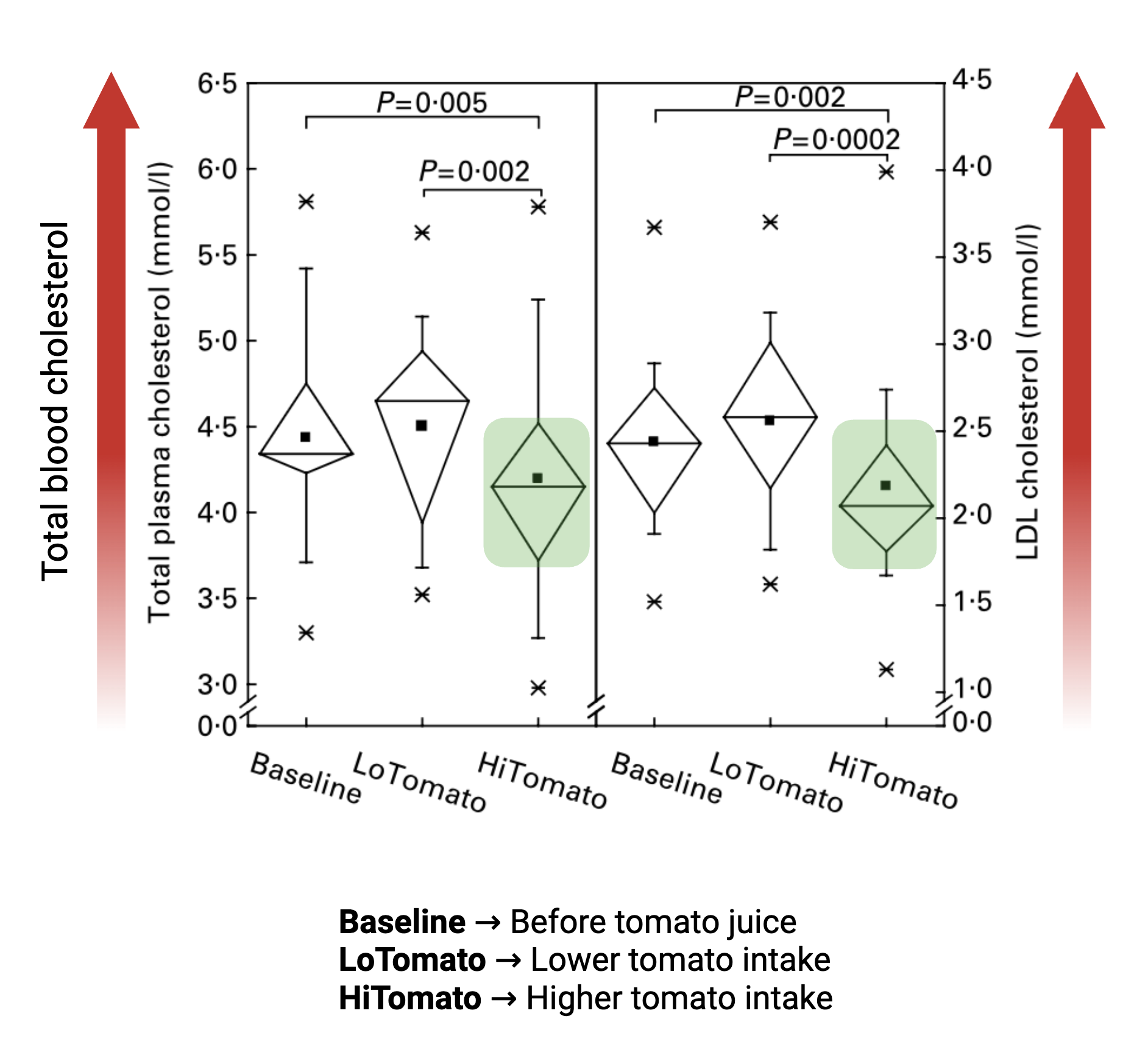
Human research [873] involving tomato juice also reported improvements. Participants were assessed before consuming tomato juice and were then divided according to lower or higher tomato-juice intake. The group consuming more tomato juice experienced a greater reduction in lipoprotein concentrations than the lower-intake group.
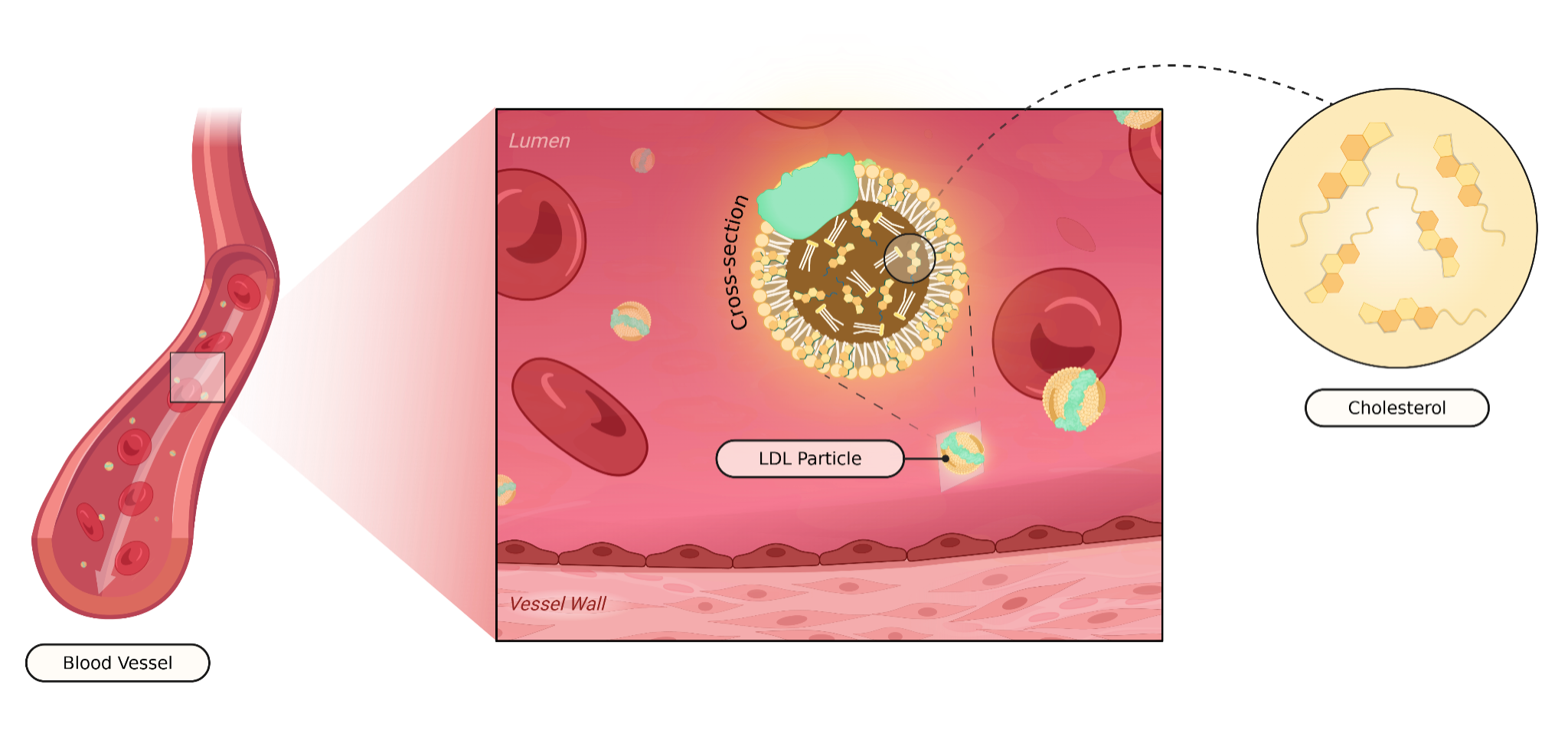
This reduction matters because cholesterol travels through the blood inside particles called lipoproteins. These particles can become trapped in the arterial wall and contribute to plaque buildup.
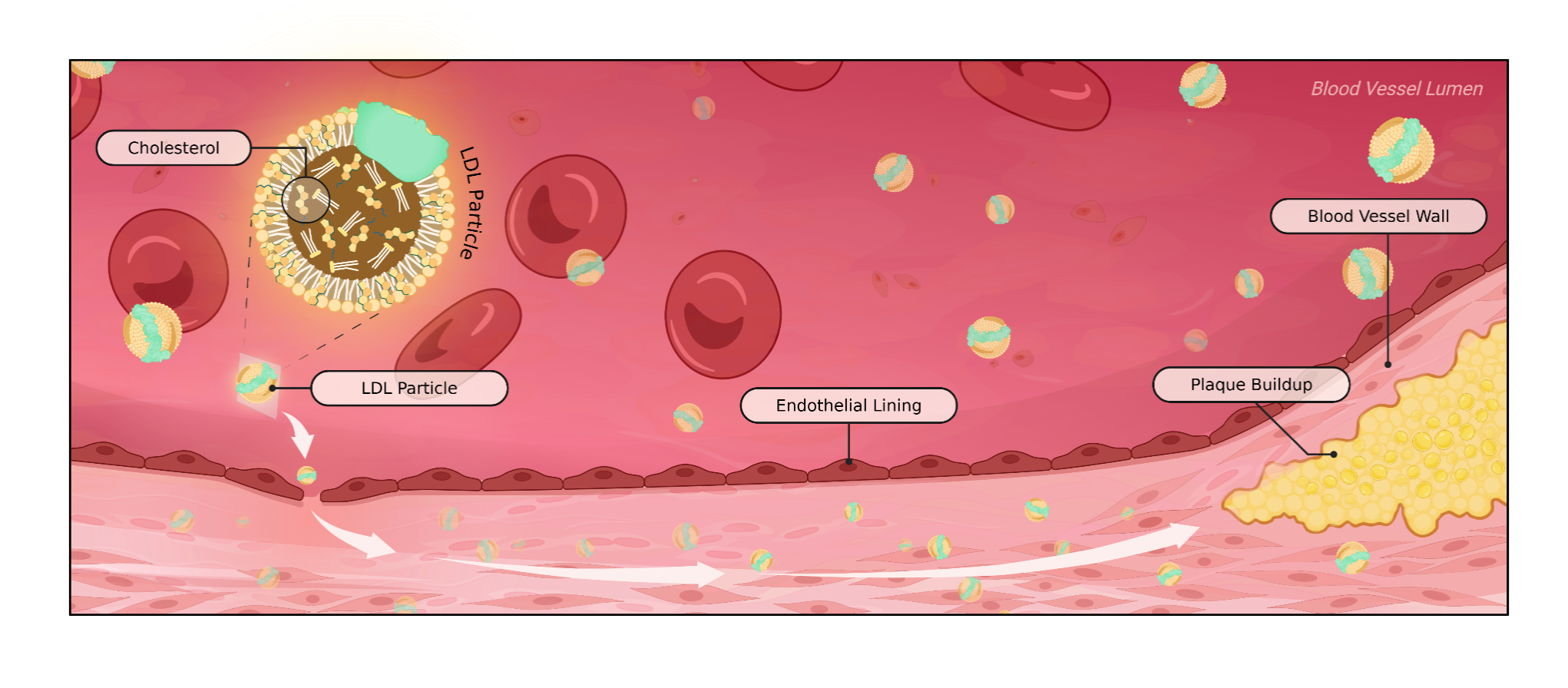
LDL, or low-density lipoprotein, is the dominant lipoprotein involved in this process. Fewer LDL particles in the blood may reduce the likelihood that these particles will become trapped within the arterial wall.
Reducing the number of circulating lipoproteins may be one way lycopene helps limit arterial plaque.
However, the human tomato-juice intervention lasted only three weeks and was not a randomized controlled trial. Although its findings were consistent with the animal evidence, additional research is needed to confirm the effect.
This limitation is particularly important because the interpretation that lycopene itself reduced circulating lipoproteins may not tell the complete story.
Lycopene on Cholesterol Synthesis - Statin-like?
Lycopene on Antioxidant Response Elments
More on Tomato Products and Cardiovascular Disease
All of these topics are explored in depth in the complete analysis, along with access to a private podcast, live sessions, a growing research library, and practical breakdowns—available exclusively to Physionic Insiders.
Reducing LDL Oxidation
Another related mechanism involves the quality of the circulating lipoprotein particles.
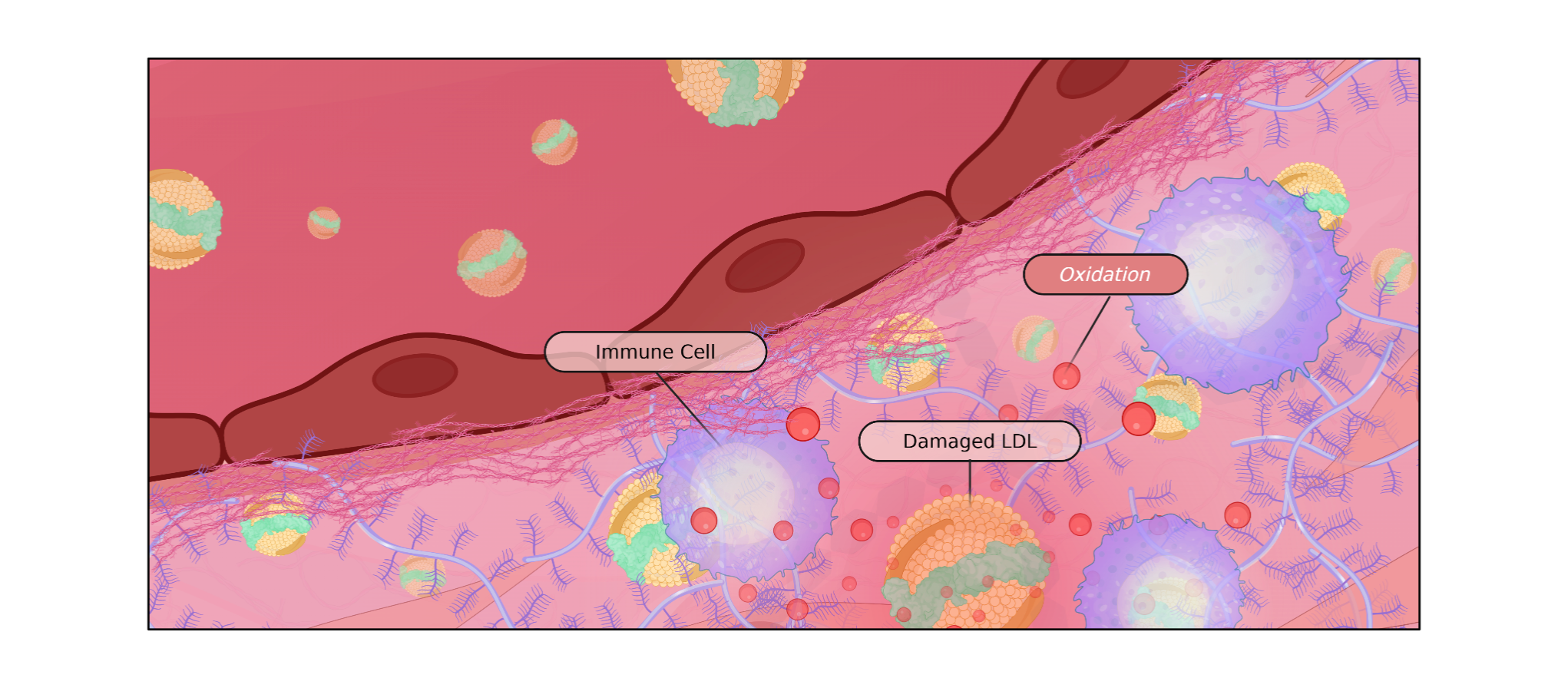
There is an important difference between oxidized and unoxidized LDL. Oxidation modifies LDL in a way that is associated with greater retention within the arterial wall and increased plaque buildup.
As LDL becomes more oxidized, its quality worsens because it may be more likely to remain in the arterial wall and contribute to plaque growth.
A human dietary intervention examined LDL oxidation after participants consumed spaghetti sauce, tomato juice, or tomato-based supplements. All three interventions reduced lipoprotein oxidation.
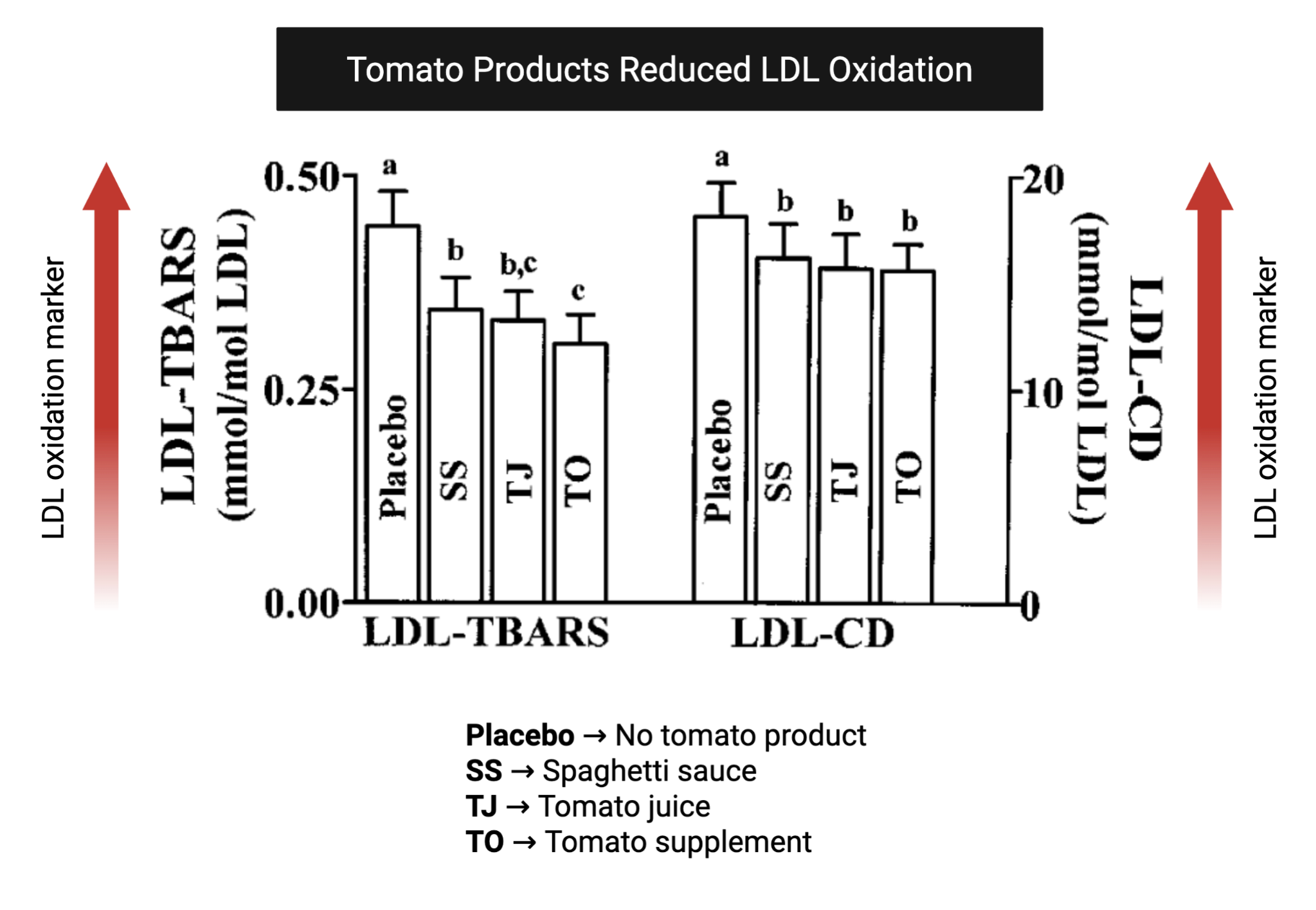
This suggests that lycopene or tomato-based products may not only reduce the number of circulating lipoproteins but also reduce their oxidation, damage, and potential retention within the arteries.
Should the Focus Remain on Lycopene?
These mechanisms provide several possible explanations for how lycopene could affect arterial plaque. However, they also lead to a broader question: Should the focus remain entirely on lycopene?
Lycopene is the most widely recognized molecule in tomato products and has been the primary focus of much of the research. However, several of the human interventions used tomato paste, spaghetti sauce, tomato juice, ketchup, or tomato-based supplements rather than isolated lycopene.
Although these foods increased lycopene exposure, they also contained other compounds. The observed effects therefore cannot automatically be attributed exclusively to lycopene.
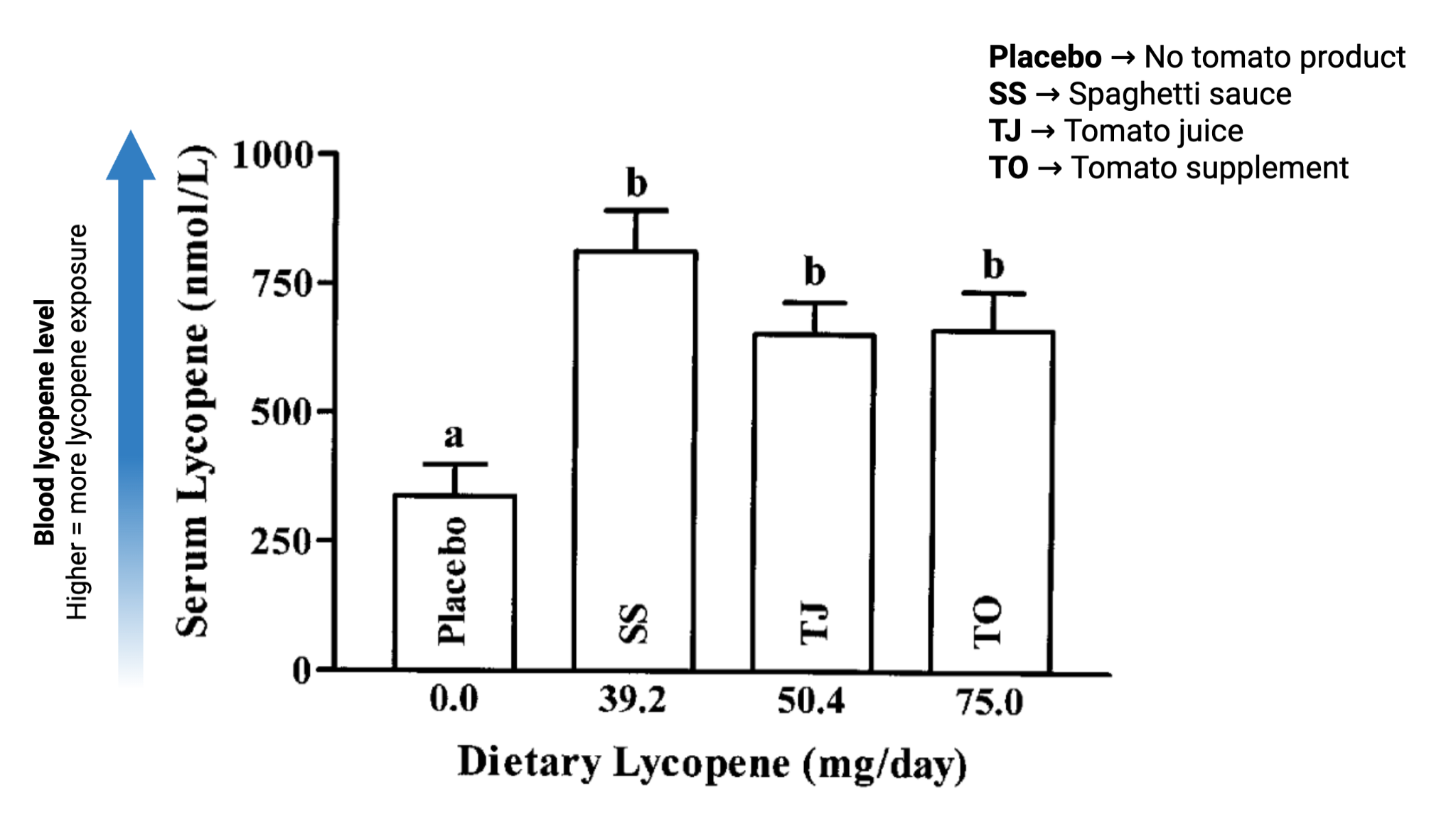
Some animal studies administered isolated lycopene, supporting the conclusion that lycopene is responsible for at least part of the effect and perhaps a substantial portion of it. Even so, the evidence does not establish that lycopene is the only relevant component.
Mixed Long-Term Evidence for Lycopene
This distinction may help explain why earlier research found relatively modest effects of lycopene on actual cardiovascular disease.
Although controlled evidence has shown reductions in arterial plaque, long-term studies [592, 870, 871] examining outcomes such as heart attacks and strokes have produced lackluster findings for lycopene alone.
The results become more favorable when tomato products [592] are evaluated as a whole under similar conditions.
Lycopene or the Whole Tomato?
The evidence includes human findings and several plausible mechanisms through which lycopene may help prevent or reduce arterial plaque. However, the stronger evidence for cardiovascular disease protection appears to favor consuming tomato products rather than isolating lycopene as a single molecule.
Regularly eating tomato-based foods is unlikely to produce massive cardiovascular protection. However, these foods may provide modest support for better cardiovascular health.
Main Points
Human and animal evidence indicates that lycopene may help reduce arterial plaque. One possible mechanism is a reduction in circulating cholesterol-containing lipoproteins, although the human tomato-juice intervention was short and was not a randomized controlled trial.
Tomato-based interventions may also reduce the oxidation of LDL. Oxidized LDL is more likely to be retained in the arterial wall and contribute to plaque growth.
Many human interventions used tomato foods rather than isolated lycopene. Their findings therefore cannot be attributed entirely to lycopene because tomato products contain several compounds.
Long-term findings for lycopene alone and major cardiovascular outcomes have been underwhelming. The evidence appears more favorable when tomato-based foods are examined as a whole.
Lycopene on Cholesterol Synthesis - Statin-like?
Lycopene on Antioxidant Response Elments
More on Tomato Products and Cardiovascular Disease
All of these topics are explored in depth in the complete analysis, along with access to a private podcast, live sessions, a growing research library, and practical breakdowns—available exclusively to Physionic Insiders.
Dr. Nicolas Verhoeven, PhD / Physionic
References
[Study 587] Zou ZY, Xu XR, Lin XM, et al. Effects of lutein and lycopene on carotid intima–media thickness in Chinese subjects with subclinical atherosclerosis: a randomised, double-blind, placebo-controlled trial. British Journal of Nutrition. 2014;111(3):474–480. doi:10.1017/S0007114513002730
Funding/Conflicts: Public Funding: From the study, the work was supported by the National Natural Science Foundation of China grant NSFC-30972472, and the funder had no role in the study design, analysis, or writing; Non-Profit Funding: From the study, no non-profit funding source was reported; Industry Funding: From the study, no industry funding source was reported, and none of the authors had conflicts of interest.
[Study 592] Sesso HD, Liu S, Gaziano JM, Buring JE. Dietary lycopene, tomato-based food products and cardiovascular disease in women. Journal of Nutrition. 2003;133(7):2336–2341. doi:10.1093/jn/133.7.2336
Funding/Conflicts: Public Funding: From the study, supported by National Institutes of Health research grants AG-15933, CA-47988, HL-43851, HL-65727, and NS-34108; Non-Profit Funding: From the study, no non-profit funding was reported; Industry Funding: From the study, supported by a grant from Roche Vitamins, Inc.; no explicit conflict-of-interest declaration was provided beyond the funding disclosures.
[Study 870] Hak AE, Stampfer MJ, Campos H, et al. Plasma carotenoids and tocopherols and risk of myocardial infarction in a low-risk population of US male physicians. Circulation. 2003;108(7):802–807. doi:10.1161/01.CIR.0000084546.82738.89
Funding/Conflicts: Public Funding: From the study, the work was supported by National Institutes of Health grants CA42182, CA58684, CA78293, and CA90598, and Dr. Hak was supported by grants from the Netherlands Organization for Scientific Research; Non-Profit Funding: From the study, Dr. Hak was also supported by the Foundation De Drie Lichten; Industry Funding: From the study, no industry funding source was reported, and no conflict-of-interest statement was found in the accessible article record.
[Study 871] Ascherio A, Rimm EB, Hernán MA, et al. Relation of consumption of vitamin E, vitamin C, and carotenoids to risk for stroke among men in the United States. Annals of Internal Medicine. 1999;130(12):963–970. doi:10.7326/0003-4819-130-12-199906150-00003
Funding/Conflicts: Public Funding: From the study, supported by National Institutes of Health grants CA 55075 from the National Cancer Institute and HL 35464 from the National Heart, Lung, and Blood Institute; Non-Profit Funding: From the study, no non-profit funding was reported; Industry Funding: From the study, no industry funding was reported, and no conflict-of-interest declaration was found in the accessible article records.
[Study 872] Agarwal S, Rao AV. Tomato lycopene and low density lipoprotein oxidation: a human dietary intervention study. Lipids. 1998;33(10):981–984.
Funding/Conflicts: Public Funding: From the study, no public funding was reported; Non-Profit Funding: From the study, no non-profit funding was reported; Industry Funding: From the study, H.J. Heinz Co. of Canada and Hunt-Wesson Inc. supplied food products and supported the work, while LycoRed Natural Products Industries Ltd. supplied the tomato lycopene oleoresin; no formal conflict-of-interest declaration was provided.
[Study 873] Silaste ML, Alfthan G, Aro A, Kesäniemi YA, Hörkkö S. Tomato juice decreases LDL cholesterol levels and increases LDL resistance to oxidation. British Journal of Nutrition. 2007;98(6):1251–1258. doi:10.1017/S0007114507787445
Funding/Conflicts: Public Funding: From the study, supported by the Research Council for Health of the Academy of Finland; Non-Profit Funding: From the study, supported by the Finnish Foundation for Cardiovascular Research, the Paulo Foundation, and the Sigrid Juselius Foundation; Industry Funding: From the study, no industry funding was reported, and no conflict-of-interest declaration was provided.
[Study 874] McEneny J, Wade L, Young IS, et al. Lycopene intervention reduces inflammation and improves HDL functionality in moderately overweight middle-aged individuals. Journal of Nutritional Biochemistry. 2013;24(1):163–168. doi:10.1016/j.jnutbio.2012.03.015
Funding/Conflicts: Public Funding: From the study, the original intervention was funded by a research grant from the UK Food Standards Agency and Department of Health, project No. N02038; Non-Profit Funding: From the study, no non-profit funding was reported; Industry Funding: From the study, no industry funding was reported, and the authors disclosed no conflicts of interest.
[Study 875] Navarro-González I, Pérez-Sánchez H, Martín-Pozuelo G, García-Alonso J, Periago MJ. The inhibitory effects of bioactive compounds of tomato juice binding to hepatic HMGCR: in vivo study and molecular modelling. PLoS One. 2014;9(1):e83968. doi:10.1371/journal.pone.0083968
Funding/Conflicts: Public Funding: From the study, supported by the Spanish Ministry of Economy and Competitiveness/FEDER-EU projects BIO2012-38103 and CONSOLIDER Fun-C-Food CSD2007, the Fundación Séneca Regional Research Agency project 12031/PI/09, and a University of Murcia PhD fellowship for Gala Martín-Pozuelo; Non-Profit Funding: From the study, no non-profit funding was reported; Industry Funding: From the study, Zumos Hesperia Filab and Juver Alimentación provided the tomato juice samples, but no direct industry funding was reported; the funders had no role in the research or publication process, and the authors declared that no conflicts of interest existed.
[Study 876] Mannino F, Pallio G, Altavilla D, et al. Atherosclerosis plaque reduction by lycopene is mediated by increased energy expenditure through AMPK and PPARα in ApoE KO mice fed with a high-fat diet. Biomolecules. 2022;12(7):973. doi:10.3390/biom12070973
Funding/Conflicts: Public Funding: From the study, supported by a grant from the Italian Ministry of Research (PON02_00451_3361785–PONREC–DIMESA) awarded to Professor Francesco Squadrito; Non-Profit Funding: From the study, no non-profit funding was reported; Industry Funding: From the study, no industry funding was reported; Domenica Altavilla, Francesco Squadrito, and Alessandra Bitto were affiliated with SunNutraPharma S.r.l., a University of Messina spin-off company, but the authors declared no conflicts of interest.