
Vitamin C destroys aggressive Cancers when paired with THIS Easy Nutrition Protocol!

Main Points
The combination of vitamin C and the Fasting Mimicking Diet has been shown to kill KRAS mutant cancer cells in both lab and animal studies, while sparing healthy cells. This effect does not extend to cancers without the KRAS mutation, highlighting the need for genetic testing before considering such an approach. Vitamin C works in a counterintuitive way, not by reducing oxidative stress but by increasing it, while also lowering protective proteins that normally shield cells from iron-induced damage. Clinical evidence for each intervention separately suggests potential benefits, and upcoming trials will clarify whether the combination is effective in humans. For now, the most important takeaways are that KRAS mutant cancers may be uniquely vulnerable to this strategy, and that any attempt to apply it should be done cautiously and under medical guidance.
Would you like a personalized Fasting Mimicking Diet system?
How does N-Acetylcysteine (NAC) affect cancer in this context?
How else does FMD + Vitamin C affect KRAS cancers?
All of that is included in the complete analysis, along with access to a private podcast, live sessions with me, a library of articles and videos, and much more as a Physionic Insider :
There’s a potent anti-cancer dietary approach called the Fasting Mimicking Diet (FMD). Recent research suggests that when combined with vitamin C, the results against certain cancers can be dramatic. But how does vitamin C, a nutrient most people associate with immune health, become a cancer-killing weapon? And why does it only work in some situations?
Vitamin C and Cancer
In laboratory experiments, researchers tested cancer cells under normal conditions, with an FMD-like environment, with vitamin C, or with both combined. The combination of FMD and vitamin C nearly wiped out cancer cells, especially colorectal, lung, and pancreatic cancer lines. Importantly, these effects were not seen in all cancers — even within colorectal cancers, some were highly sensitive while others were resistant.
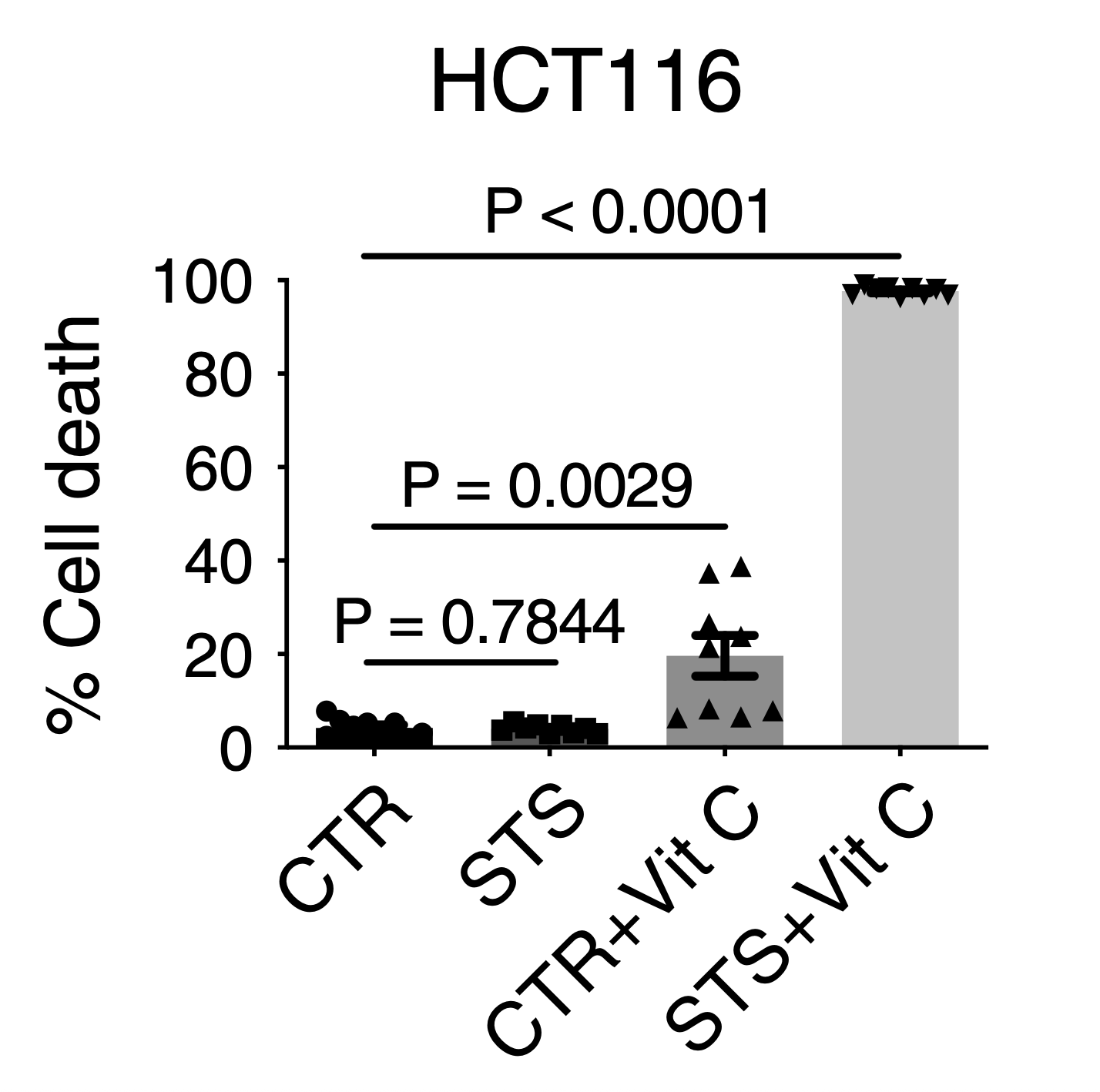
The difference came down to genetics. Cancer cells carrying a KRAS mutation were vulnerable to the vitamin C + FMD protocol, while cancers without the mutation were unaffected. This means the treatment’s success hinges on whether the tumor has this specific mutation, which is common in some of the most aggressive cancers (ex. colorectal adenocarcinomas, pancreatic ductal adenocarcinomas, small intestinal adenocarcinoma, lung adenocarcinoma, ovarian cancers, etc.).
Evidence in Living Systems
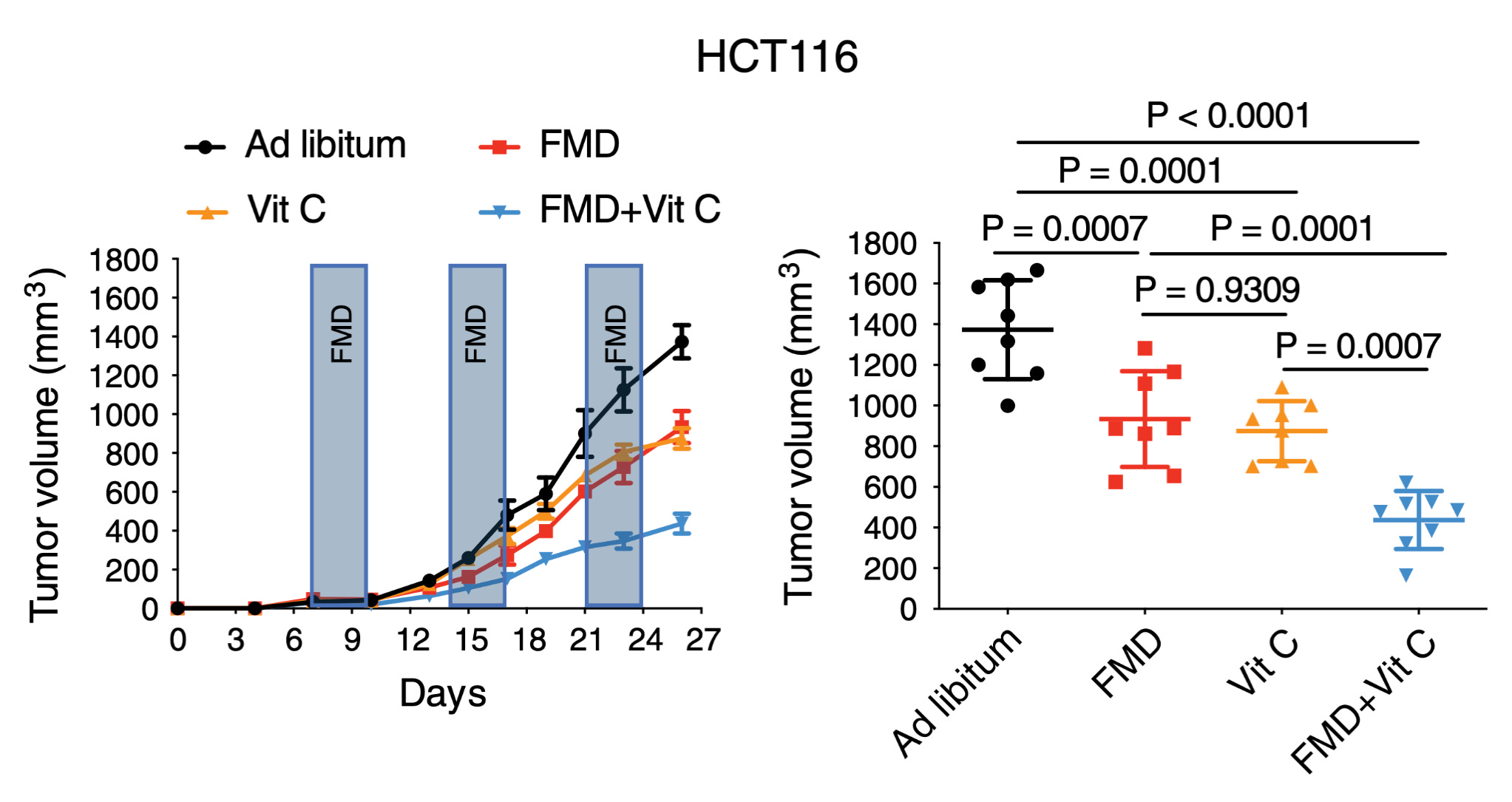
The results weren’t confined to petri dishes. In animal models, tumors shrank significantly when vitamin C was combined with FMD, compared to either treatment alone. These findings support the idea that the combination has powerful effects in living systems, and there are early signs that some of this may translate to humans.
Would you like a personalized Fasting Mimicking Diet system?
How does N-Acetylcysteine (NAC) affect cancer in this context?
How else does FMD + Vitamin C affect KRAS cancers?
All of that is included in the complete analysis, along with access to a private podcast, live sessions with me, a library of articles and videos, and much more as a Physionic Insider :
How Does Vitamin C Work?
Surprisingly, vitamin C isn’t working as an antioxidant in this setting. Instead, it increases oxidative stress inside cancer cells, pushing them toward self-destruction. Normally, vitamin C neutralizes damaging reactive oxygen species (ROS), but in KRAS mutant cancers, the opposite occurs — ROS levels spike.
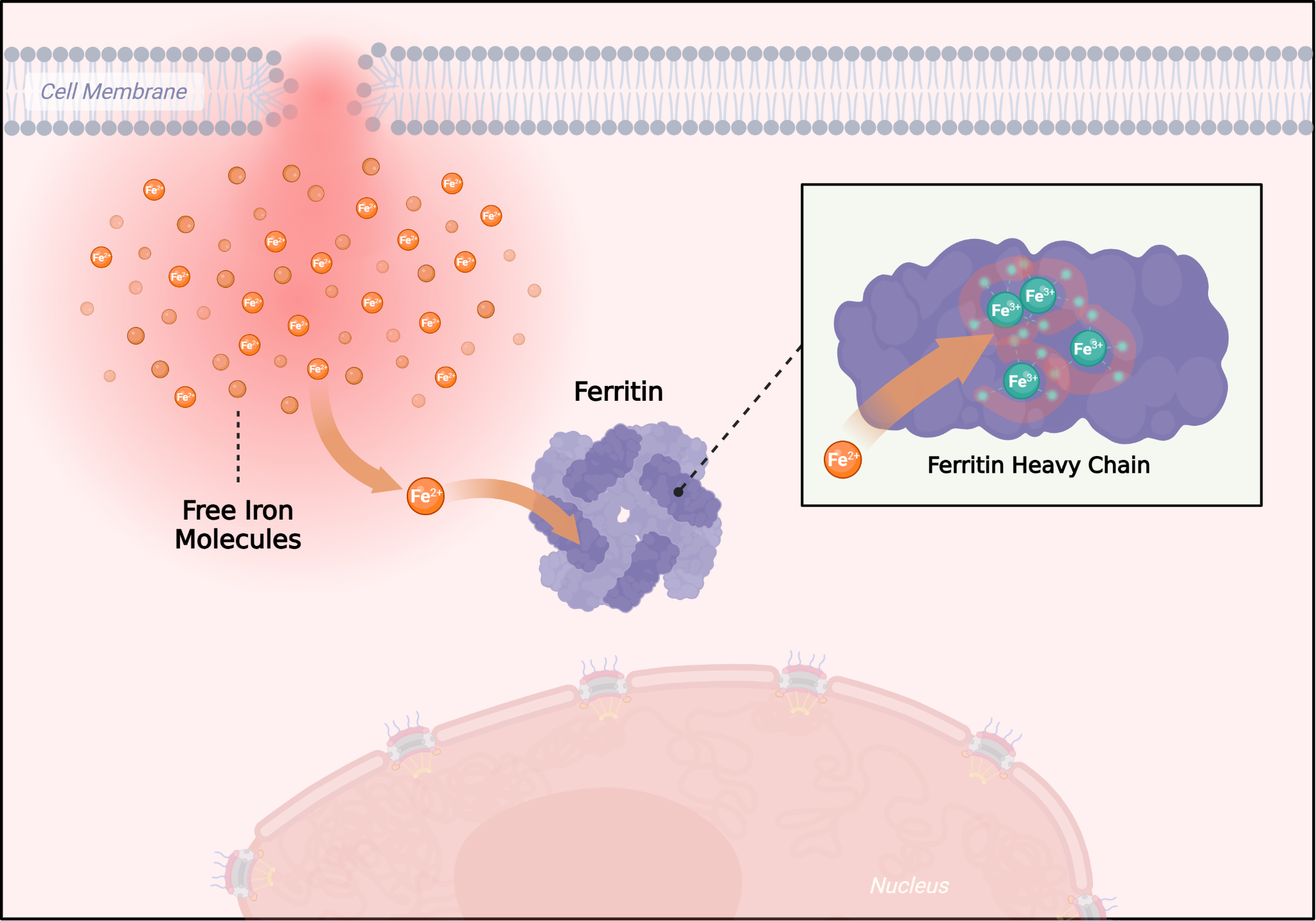
Vitamin C also reduces protective proteins in cancer cells, such as Ferritin Heavy Chain (FTH), which normally binds iron to prevent oxidative damage. With lower FTH, more free iron is available, which reacts destructively inside the cell. Together, these changes overwhelm cancer cells, especially under the nutrient stress of FMD.
Practical Applications
It’s important to emphasize that most of the work so far is pre-clinical, based on cell and animal studies. However, there are human clinical trials with vitamin C alone, showing benefits specifically in KRAS mutant cancers, and clinical trials of FMD alone also suggest improved cancer outcomes. Even more promising, when vitamin C or FMD are paired with standard cancer therapies, the combined approach often performs better than either one alone.
The Fasting Mimicking Diet itself is straightforward but intense: 5 days per month of restricted eating — roughly 600 kcal on the first day, and around 300 kcal for the following 4 days, with macronutrients skewed toward low protein (10% of calories) and higher carbohydrate (45% of calories) and fat intake (45% of calories). In the studies, this diet was plant-based.
High-dose vitamin C, often used in these protocols, can cause gastrointestinal discomfort, kidney stone risk, and may alter blood test results, so medical supervision is critical.
Main Points
The combination of vitamin C and the Fasting Mimicking Diet has been shown to kill KRAS mutant cancer cells in both lab and animal studies, while sparing healthy cells. This effect does not extend to cancers without the KRAS mutation, highlighting the need for genetic testing before considering such an approach. Vitamin C works in a counterintuitive way, not by reducing oxidative stress but by increasing it, while also lowering protective proteins that normally shield cells from iron-induced damage. Clinical evidence for each intervention separately suggests potential benefits, and upcoming trials will clarify whether the combination is effective in humans. For now, the most important takeaways are that KRAS mutant cancers may be uniquely vulnerable to this strategy, and that any attempt to apply it should be done cautiously and under medical guidance.
Would you like a personalized Fasting Mimicking Diet system?
How does N-Acetylcysteine (NAC) affect cancer in this context?
How else does FMD + Vitamin C affect KRAS cancers?
All of that is included in the complete analysis, along with access to a private podcast, live sessions with me, a library of articles and videos, and much more as a Physionic Insider :
Dr. Nicolas Verhoeven, PhD / Physionic
References
[Study 509] Di Tano M, Raucci F, Vernieri C, et al. Synergistic effect of fasting-mimicking diet and vitamin C against KRAS mutated cancers. Nat Commun. 2020;11:2332. doi:10.1038/s41467-020-16243-3.
Funding/Conflicts: Mixed [Non-Profit: Associazione Italiana per la Ricerca sul Cancro (AIRC) and the Fondazione Umberto Veronesi / Public: Breast Cancer Research Program (US Department of Defense) and the US National Institute on Aging-National Institutes of Health (NIA–NIH)] // Potential Conflicts of Interest [V.D.L. has equity interest in L-Nutra, a company that develops medical food.; A.N. and I.C. are inventors of three patents related to methods for treating cancer using fasting-mimicking diets, which were licensed to L-Nutra; All other authors declare no competing interests.]
[A] Wang F, He MM, Xiao J, et al. A Randomized, Open-Label, Multicenter, Phase 3 Study of High-Dose Vitamin C Plus FOLFOX ± Bevacizumab versus FOLFOX ± Bevacizumab in Unresectable Untreated Metastatic Colorectal Cancer (VITALITY Study). Clin Cancer Res. 2022;28(19):4232-4239. doi:10.1158/1078-0432.CCR-22-0655
[B] Bodeker KL, Smith BJ, Berg DJ, et al. A randomized trial of pharmacological ascorbate, gemcitabine, and nab-paclitaxel for metastatic pancreatic cancer. Redox Biol. 2024;77:103375. doi:10.1016/j.redox.2024.103375
[C] Ligorio F, Lobefaro R, Fucà G, et al. Adding fasting-mimicking diet to first-line carboplatin-based chemotherapy is associated with better overall survival in advanced triple-negative breast cancer patients: A subanalysis of the NCT03340935 trial. Int J Cancer. 2024;154(1):114-123. doi:10.1002/ijc.34701